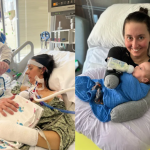
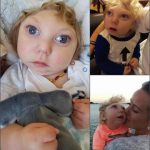
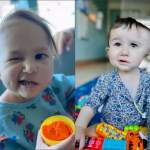
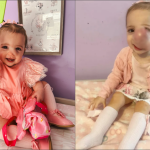
ABANDONED AT BIRTH WITH NO RIGHT LEG AND A RARE FACIAL CONDITION, LITTLE RUSTAM FACED A LONELY START — UNTIL ONE WOMAN CHOSE TO GIVE HIM A FOREVER HOME
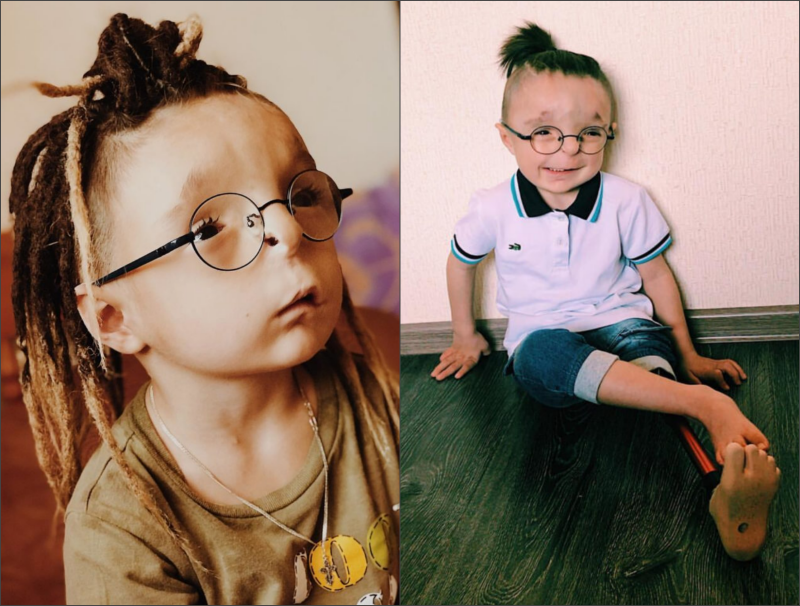
When Nika first came across a photograph of little Rustam in an adoption database, she could hardly understand why nobody had come forward to adopt him.
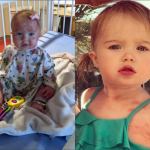
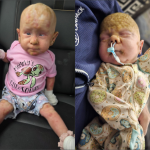
Born without his right leg and with a rare facial condition that had left him facing significant medical challenges, the little boy had spent his earliest years in an orphanage. His birth mother had relinquished him shortly after his birth, and for a long time, it seemed his chances of finding a family were painfully slim.
Cruel comments beneath videos of Rustam only made matters worse. Some strangers questioned whether anyone would ever want to adopt a child with his appearance, while others made hurtful remarks about his differences.
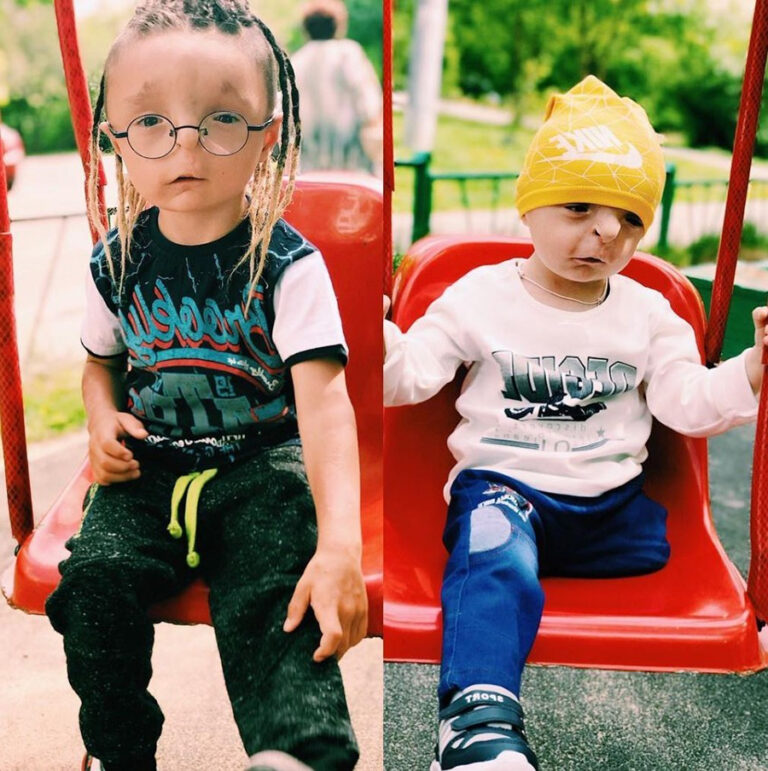
But one woman was determined that Rustam’s story would not end there.
Nika and her husband, Yura, had spent two years following the little boy’s story. They had completed adoption training and received approval to welcome a child into their home, but renovation work and uncertainty had repeatedly delayed their plans.
Then came the news that Rustam might soon be transferred to a residential institution.
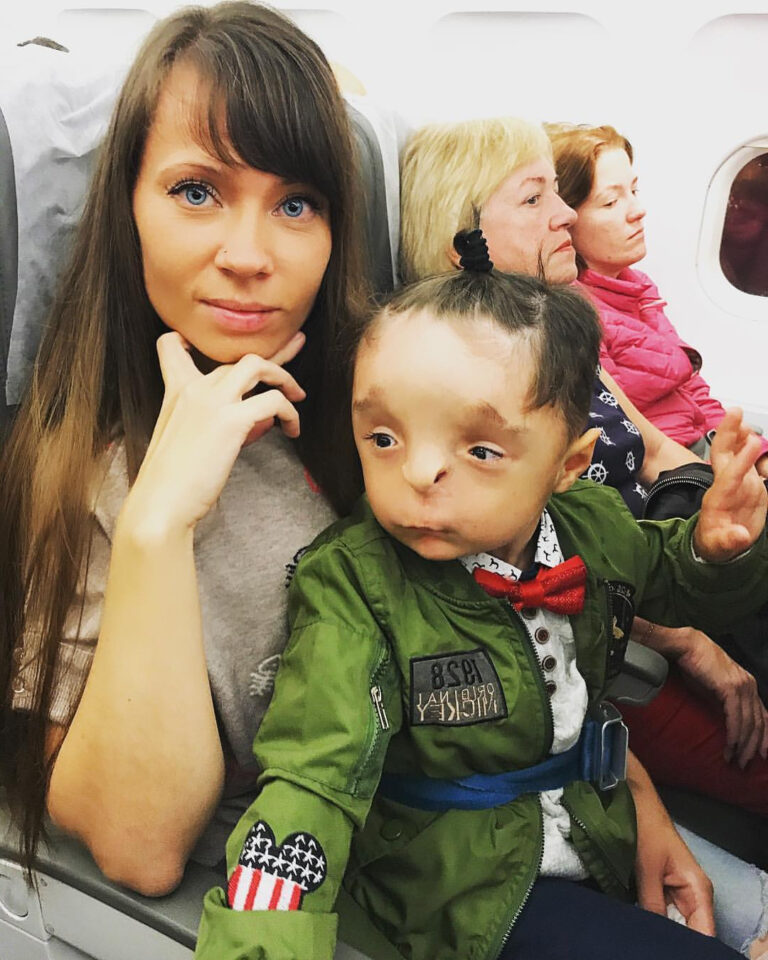
“We suddenly understood that we might be his only chance. We couldn’t leave him there,” Nika recalled.
On May 17, the couple drove to Cherepovets, carrying a bag of soft toys on the back seat. They had just three hours to make their decision before the guardianship office closed for the day.
When Rustam first saw the unfamiliar faces, he covered his face with his hands and began to cry. Their first attempt to connect was difficult, but a funny toy rabbit eventually changed everything. Its ridiculous laugh made Rustam giggle, and soon the little boy was laughing along with his future mother.
Two weeks later, Nika and Yura returned to bring him home.
Rustam quietly packed his belongings into a bag, climbed onto a chair and held on to his things, saying: “These are mine. I won’t give them away.”
He was frightened, perhaps unsure whether this new chapter would really last.
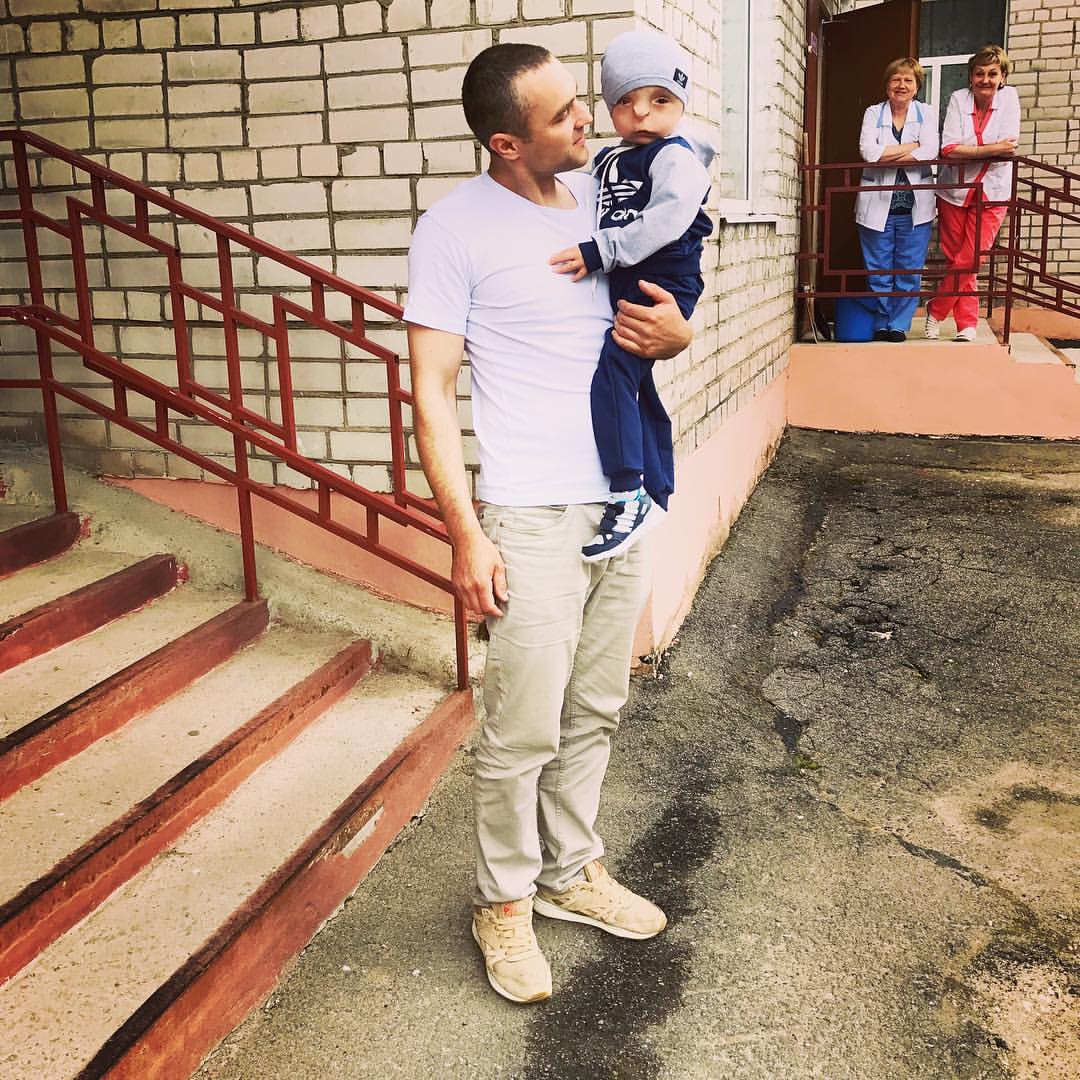
His caregivers watched the couple leave and remarked that they deserved a monument for taking on such a responsibility. But Nika and Yura had no intention of turning back.
That evening, Rustam arrived at his new home in Moscow. During his first night, he rocked himself in his cot, a familiar habit he had developed in the orphanage to find comfort.
The following morning, the family sat down for breakfast together.
“It felt as though he had always been with us,” Nika later remembered.
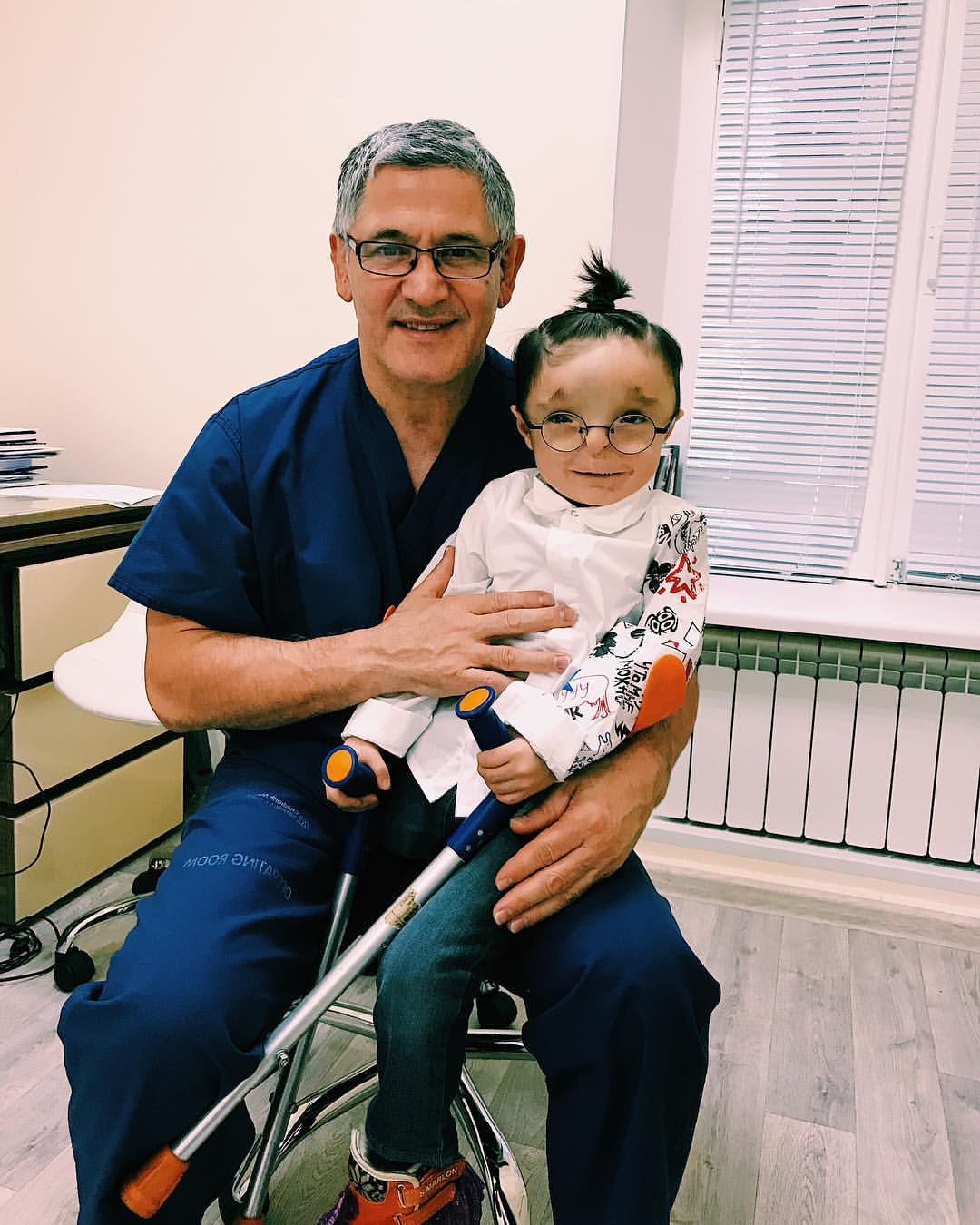
Rustam’s early life had been marked by considerable medical challenges. He was born with an underdeveloped right leg and a severe cleft affecting the roof of his mouth. He had required tube feeding until the age of two, undergone two reconstructive operations and struggled with blocked tear ducts.
For his new parents, the journey ahead would involve countless medical appointments, rehabilitation sessions and difficult days.
But Nika had already made one important decision: she would never allow her son to believe that his physical differences defined what he could achieve.
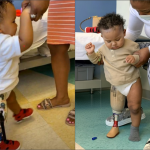
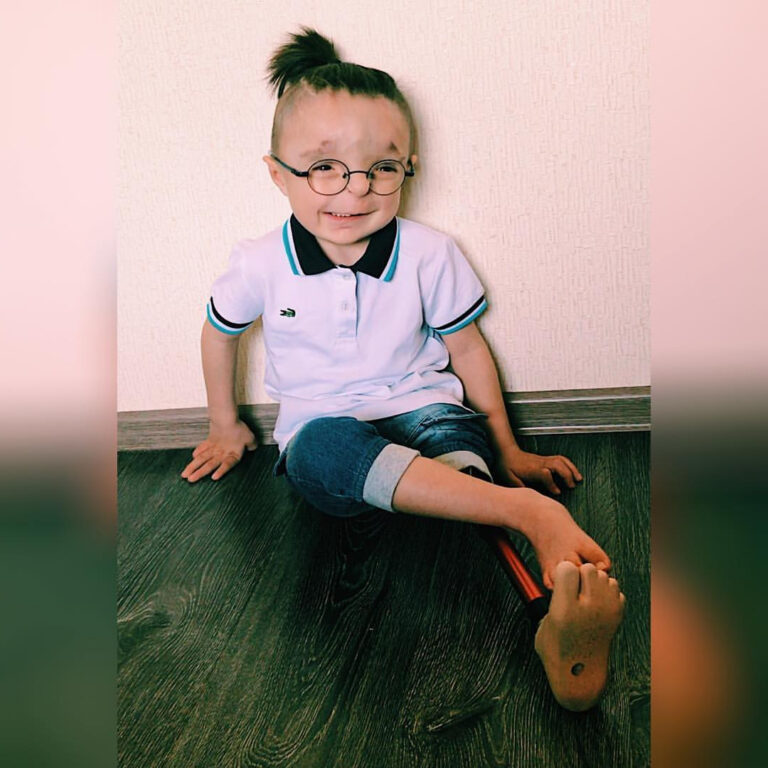
“I knew from the beginning that he would have to work incredibly hard. Learning to walk with a prosthetic leg is demanding, repetitive and exhausting, both physically and emotionally,” she explained.
“I don’t want him growing up believing he cannot do something simply because he has one leg. He has a prosthesis, and he can learn to walk. He deserves to experience life just like every other child.”
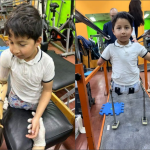
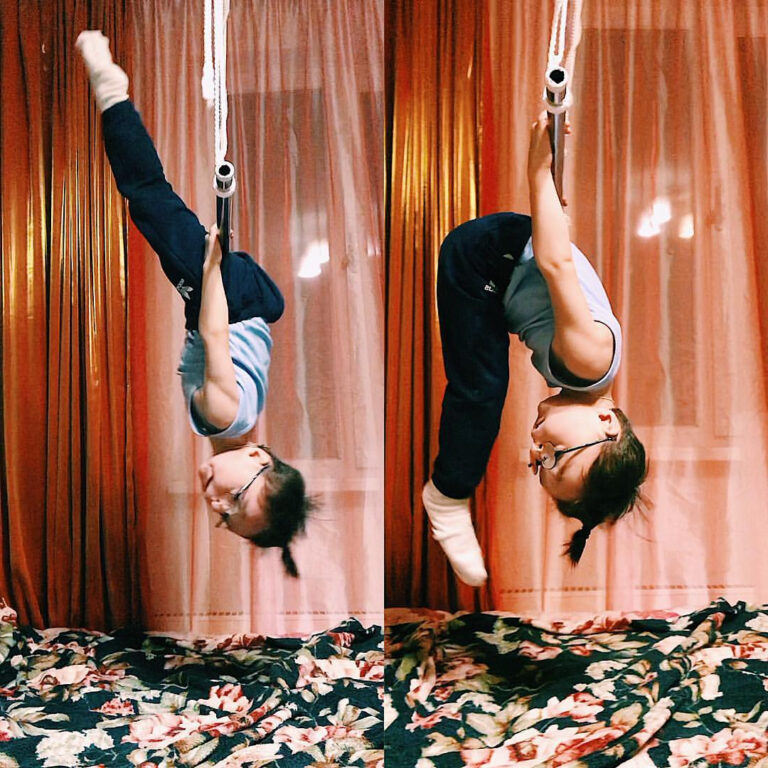
The family quickly built a demanding rehabilitation routine around Rustam. His weekly schedule included massages, speech therapy, swimming, skiing and sled hockey.
Nika began documenting his progress on Instagram, sharing not only his achievements but also the difficult moments behind them.
There were videos of Rustam struggling with crutches, sometimes in tears, before finally managing his first steps. Later came the proud moments of walking with his prosthesis, climbing stairs, riding a bicycle and playing on a scooter.
But there were also ordinary family moments: singing, drawing, playing guitar, decorating Easter cakes, eating ice cream and cuddling with Mum and Dad.
For Nika and Yura, giving Rustam the attention he needed meant changing their working lives. Nika accepted a lower position at her transport company, while both parents adjusted their schedules so they could take turns caring for their son.
“We have never seen his rehabilitation as a burden. Of course, there are exhausting days, but every little achievement reminds us why we started,” Nika shared.
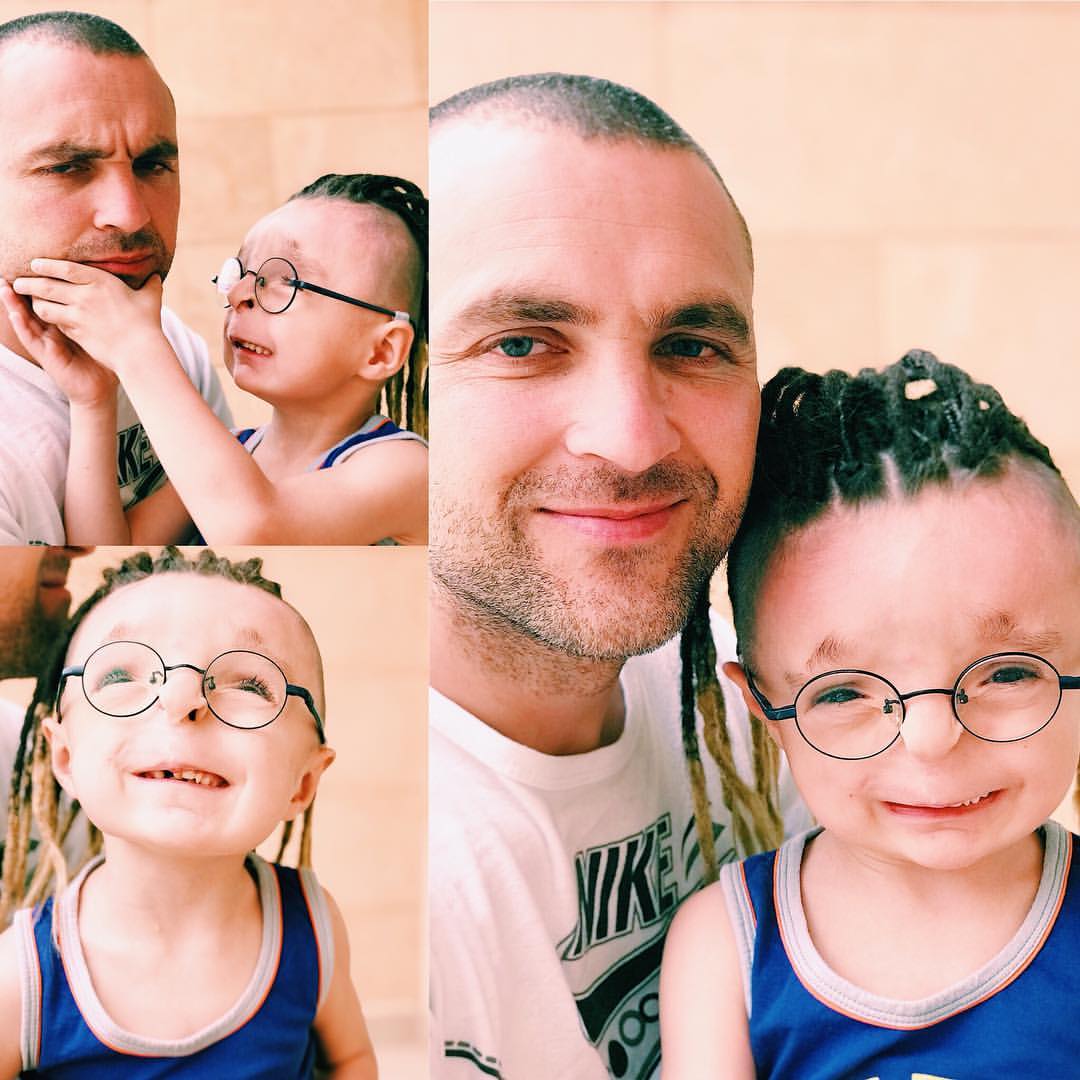
Their Instagram page soon attracted thousands of followers, although not every reaction was kind.
One particularly painful incident happened when Nika took Rustam to a public service centre. Several children in the playroom began laughing at his appearance, mocking his face and the prosthetic leg he used to walk.
Rustam initially thought they were playing a game and ran after them. His mother, however, was devastated as the teasing continued and the other children’s parents remained silent.
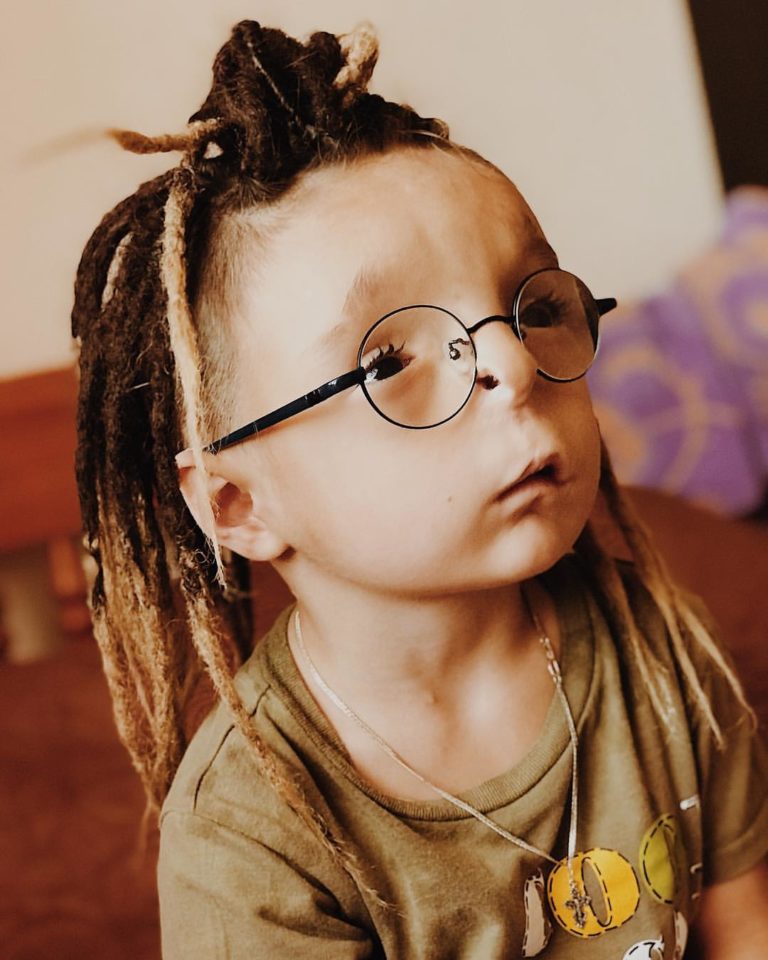
“I couldn’t understand how adults could allow their children to behave like that. I wanted to make them understand that a child’s appearance is never a reason to humiliate them,” Nika said.
Five days later, she launched the social media campaign #IAmLearningToSeeTheSoul, encouraging families of children with disabilities to share their experiences and helping others learn to look beyond physical differences.
More than 5,000 posts would eventually appear under the hashtag.
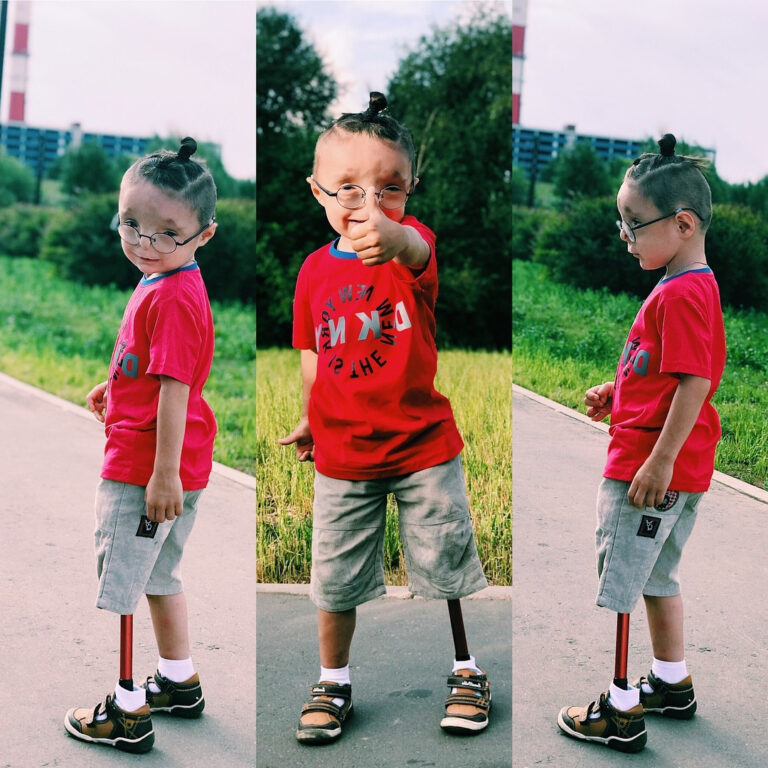
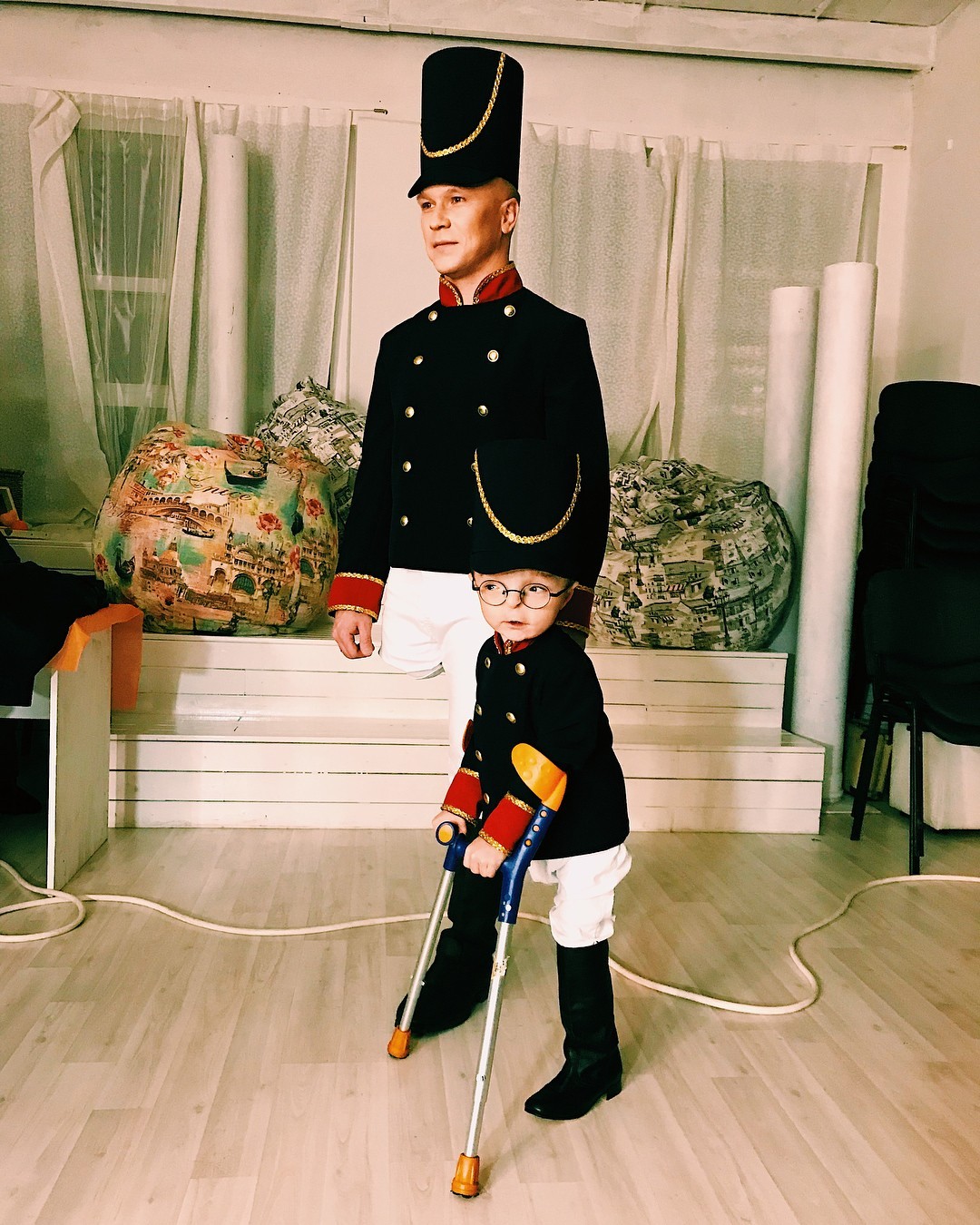
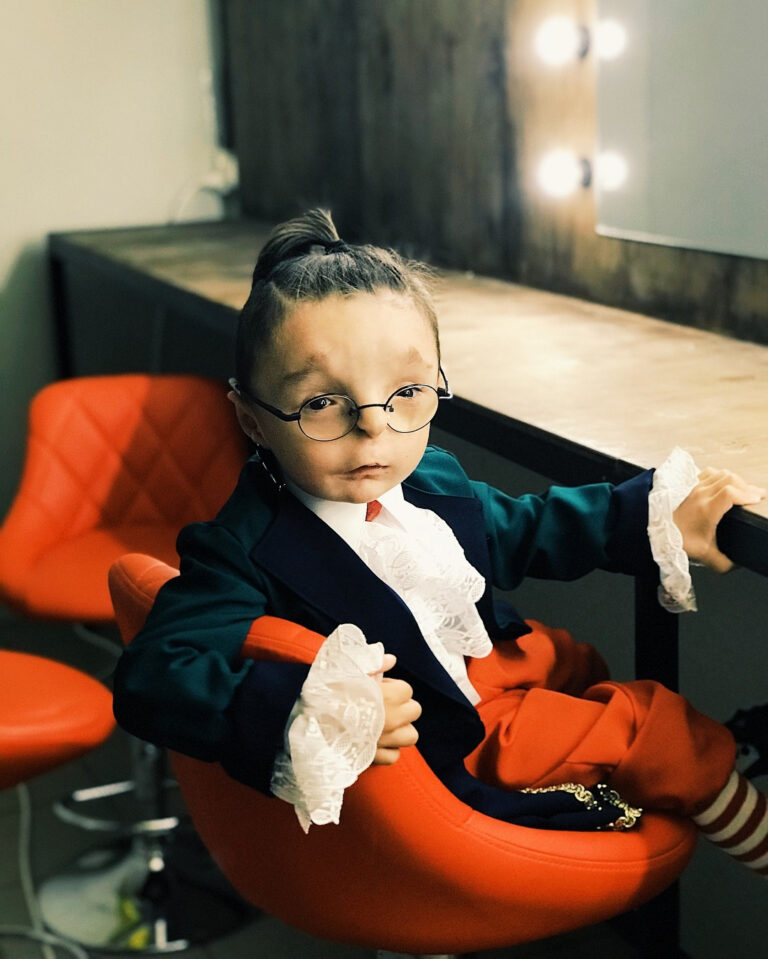
Rustam also began taking part in photography projects celebrating children and adults with disabilities. He appeared on a magazine cover and posed in fairytale-inspired costumes, including as a little tin soldier and Pierrot.
Nika believed that being visible and recognised could help her son grow up with confidence, rather than feeling that he needed to hide from the world.
Today, around 136,000 people follow Rustam’s journey.
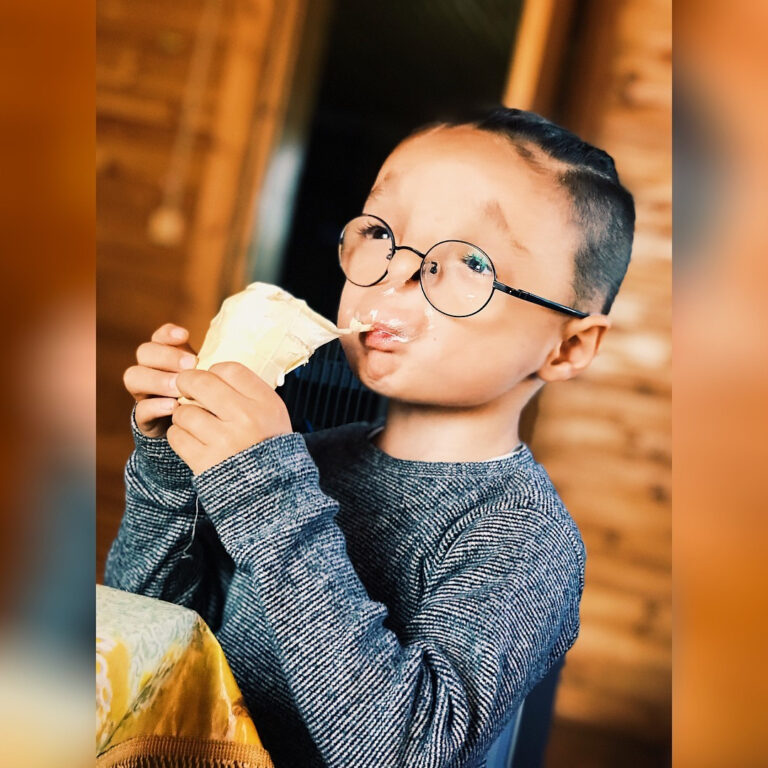
Despite the progress, Nika has always been honest that becoming a family was not immediately easy. Like many adopted children, Rustam needed time to feel secure. In the beginning, he could cry for long periods and struggled with being touched.
Those difficult days gradually gave way to a relationship filled with trust and affection.
Now, one of Nika’s favourite moments is hearing her son respond to a simple request with the words: “Okay, Mum,” before happily going off to do what she has asked.
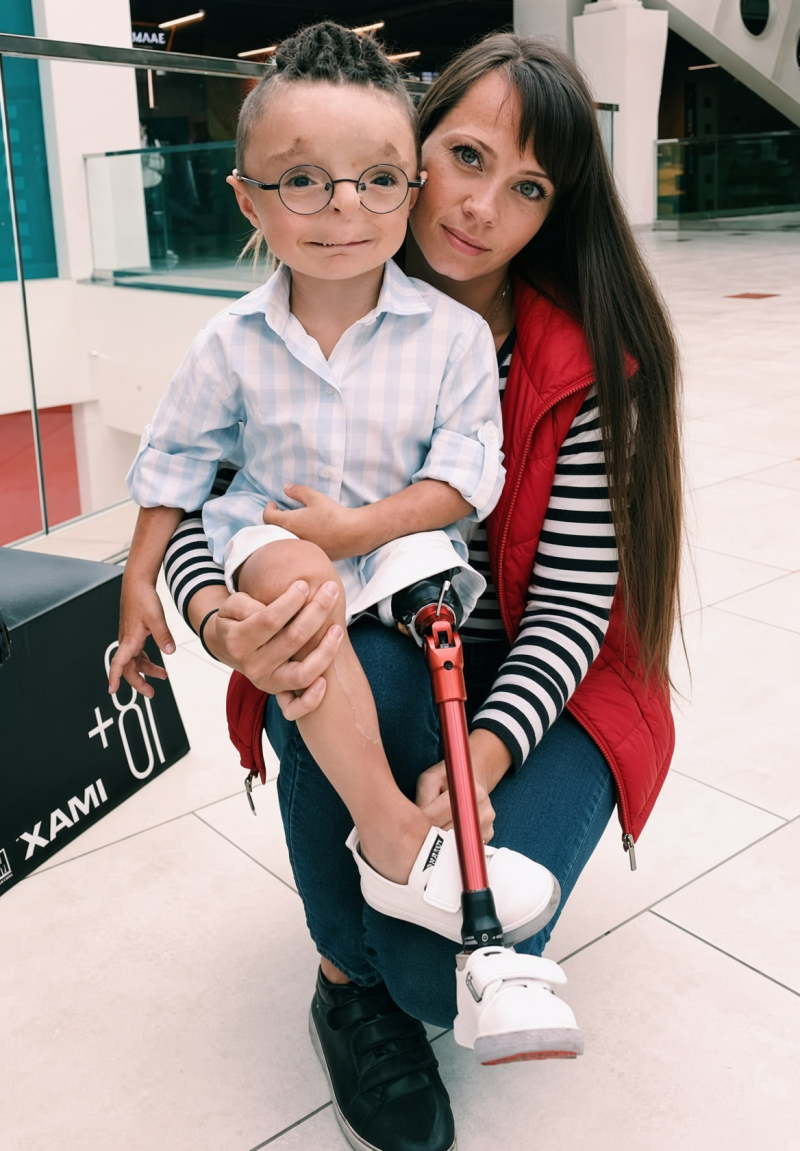
Yura, too, has watched his son grow with enormous pride. For both parents, the greatest reward has never been the number of steps Rustam can take, but the confidence and happiness he is slowly discovering.
“Rustam has taught us patience,” Nika said. “He has shown us how much a child can achieve when the people around him believe in him.”
Yet, even as their family found happiness, Nika could not forget another child whose photograph had once appeared beside Rustam’s in the adoption database.
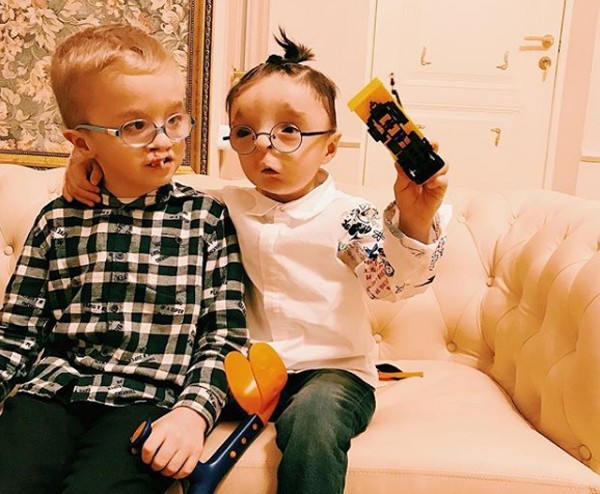
Her name was Vera. She had significant developmental difficulties, and Nika had felt a connection to her story from the very beginning. Although she and Yura had been approved to adopt two children, they were afraid they might not be able to meet the needs of both at once.
Vera was eventually transferred to a residential institution. When Nika recently saw an updated photograph of the little girl in hospital, she was deeply moved by the loneliness she believed she could see in her expression.
She still wonders whether it is too late to help her.