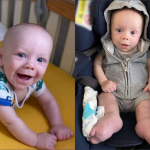
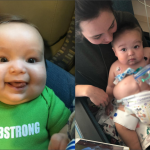
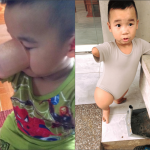
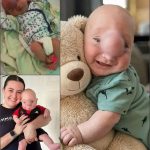
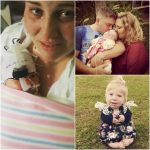
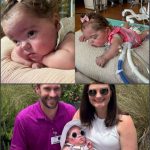
SEVEN-MONTH-OLD RUPERT IS DIAGNOSED WITH A ONE-IN-A-MILLION BRAIN CONDITION AFTER A TERRIFYING MEDICAL EMERGENCY — BUT HIS SMILE NEVER FADES
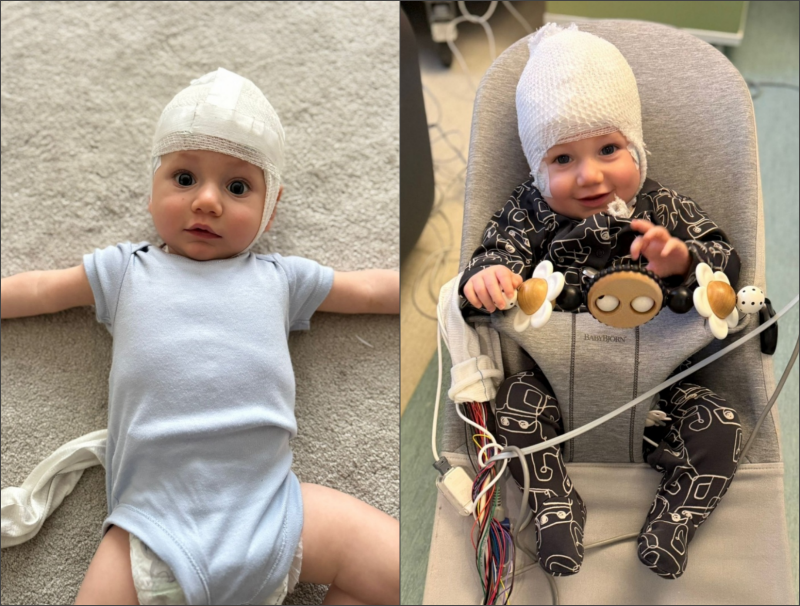
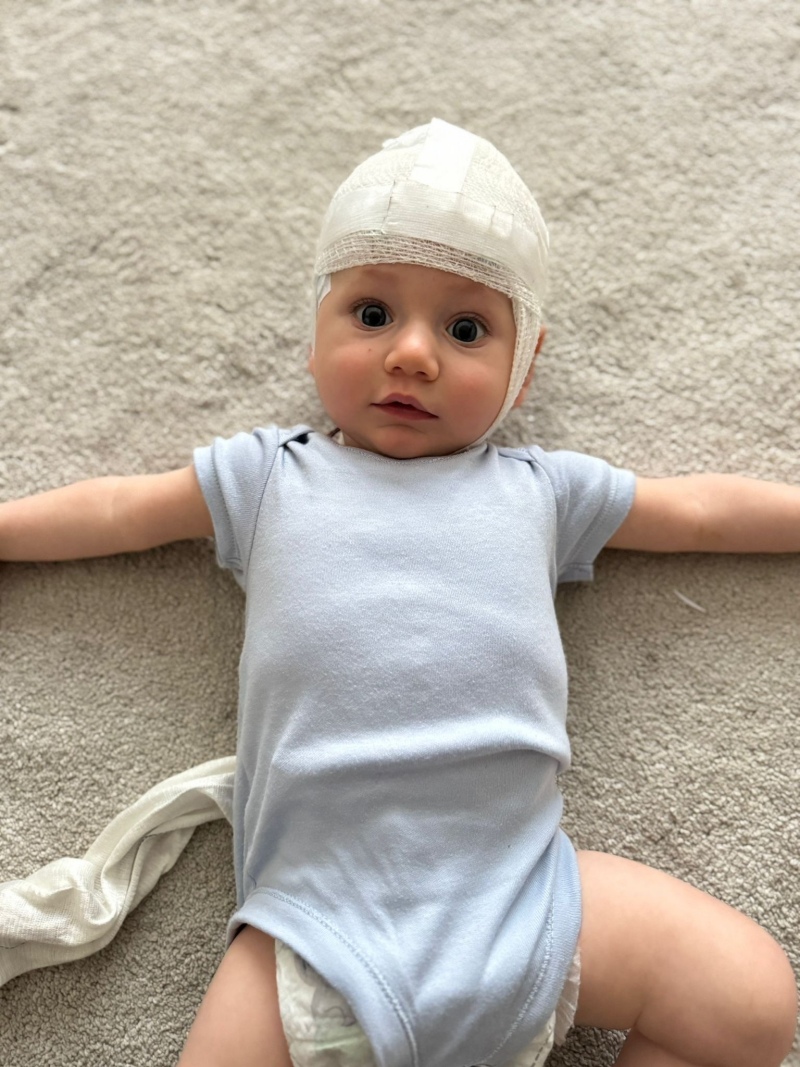
Seven-month-old Rupert is a happy, smiley little boy who greets the world with a smile that melts hearts. But behind his cheerful face lies a medical journey no parent could ever have imagined.
From just a few weeks old, Rupert began experiencing seizure-like episodes that led to repeated hospital admissions and countless medical appointments. Now, following a terrifying emergency in which he stopped breathing and required resuscitation, his family has received a devastating diagnosis: Alternating Hemiplegia of Childhood (AHC), an ultra-rare neurological condition affecting approximately one in a million children.
His parents say his beautiful smile has become their greatest source of strength as they prepare to fight for his future.
‘In just seven short months, Rupert has already endured more than most people will face in a lifetime,’ they shared.

‘Despite everything, he continues to smile. That smile is what gives us the strength to keep fighting for him every single day.’
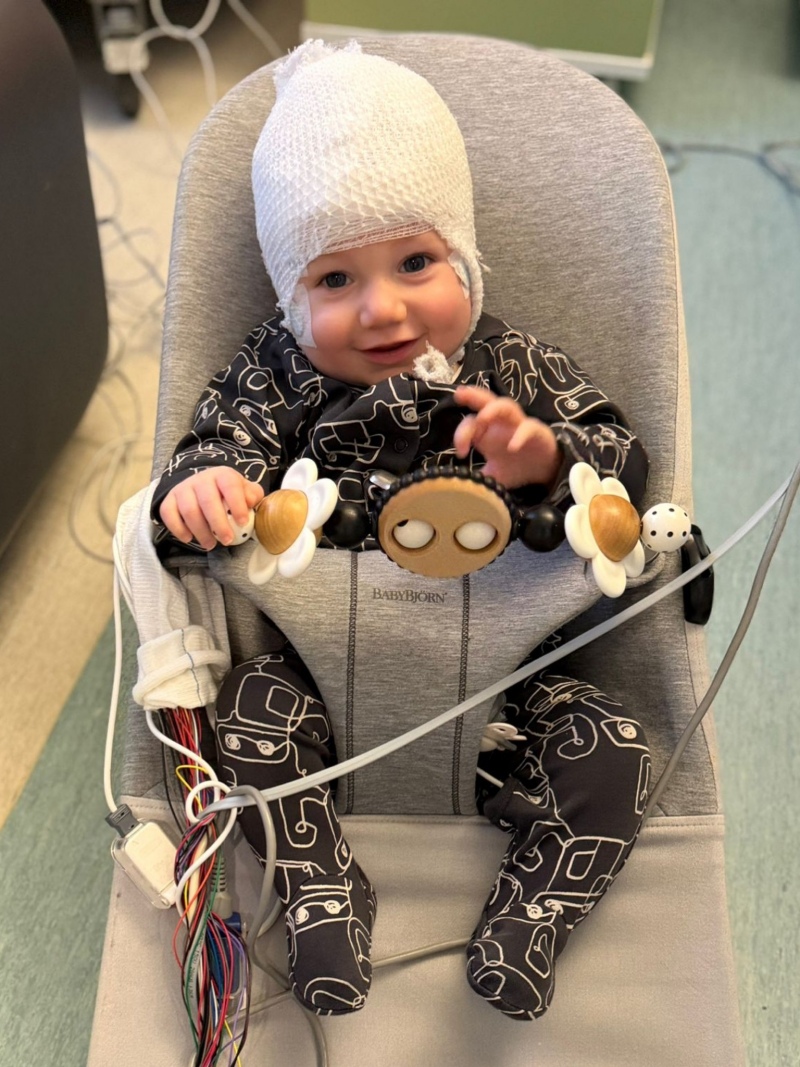
Alongside his episodes, Rupert has experienced developmental difficulties, including low muscle tone that makes it difficult for him to lift his head. He is under the care of specialist teams in neurology, respiratory medicine, physiotherapy, dietetics, and speech and language therapy.
His investigations have included lumbar punctures, EEGs, ECGs, MRI and CT scans, with care provided by Wrexham Maelor Hospital and Alder Hey Children’s Hospital.
But the family’s greatest fear became reality when Rupert suffered a serious medical emergency and stopped breathing. Following the frightening incident, genetic testing finally revealed the cause of his complex symptoms.
AHC is an extremely rare and unpredictable condition that can cause episodes of paralysis, seizures, abnormal movements, breathing difficulties and developmental delay. Attacks may last minutes, hours or even days, sometimes arriving without warning.
Triggers can include excitement, temperature changes, fever, food, bright or changing lights, physical exertion, stress and even water exposure. Severe episodes can carry significant risks, including life-threatening breathing or cardiac complications.
There is currently no cure, and the uncertainty surrounding Rupert’s future is something his parents are struggling to come to terms with.
‘We never imagined we would find ourselves in a position where we had to ask for help,’ they said.
‘We have always tried to support charities and good causes whenever we could. Now, we are the ones hoping that others will stand beside us.’
Rupert will need lifelong, full-time specialist care, ongoing investigations and close monitoring. His family is now fundraising to ensure they are ready to pursue potential treatment opportunities abroad, particularly in the United States, where promising research into AHC is underway.
Emerging approaches, including antisense oligonucleotide (ASO) therapy and genome editing, offer hope for future treatments. However, these developments remain costly and are not currently available through the NHS.
The family hopes to raise funds not only for Rupert’s future specialist consultations, clinical trials and multiple trips to America, but also to support research into the condition itself.
Because AHC affects so few children, research remains severely underfunded. The family believes that accelerating scientific progress could one day change the lives of children around the world who are living with the same diagnosis.
They are deeply grateful to the NHS and the medical teams who have worked tirelessly to investigate Rupert’s condition, stabilise him and provide ongoing care. But with no curative treatment currently available through the NHS, they are determined to explore every possible avenue of hope.
For families facing ultra-rare conditions, opportunities for treatment can arise suddenly. The costs of specialist care, international travel, accommodation and potential clinical trials can run into millions of pounds, leaving parents with an overwhelming financial burden.
‘We need to be ready to act immediately if an opportunity comes along,’ Rupert’s family explained.
‘We cannot afford to wait until the chance is there and then find ourselves unable to take it. Every day matters for children like Rupert.’
Source: Gofundme