CRAWL 2: METRO FLOOD (2026)
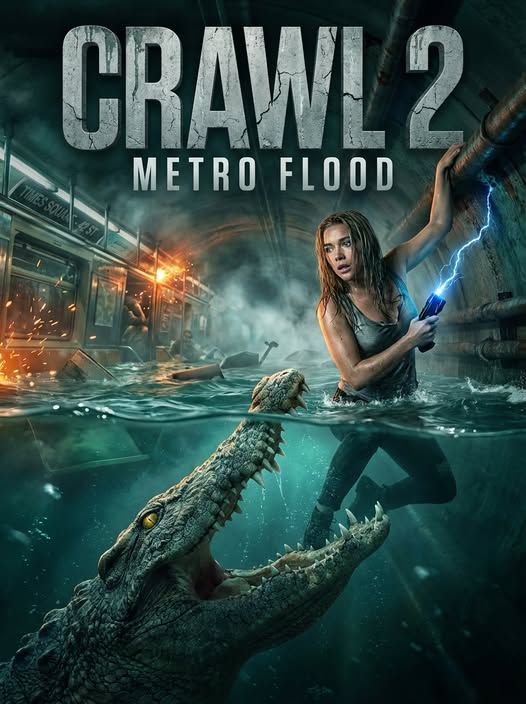
CRAWL 2: METRO FLOOD takes the stripped-down survival terror of the original and drops it into a far more claustrophobic nightmare: a flooded metropolitan subway system. The concept alone is enough to raise the pulse—and for the most part, the film delivers. Where Crawl thrived on simplicity, Metro Flood expands the scale without losing the primal dread that made the first film work.
The biggest strength here is atmosphere. Dark tunnels, flickering emergency lights, rising water levels, and the echo of unseen movement create a relentless sense of panic. The metro setting is inspired—tight corridors, stalled trains, submerged platforms—turning everyday urban infrastructure into a death trap. The sound design is especially effective, using distant splashes and metallic groans to build tension long before danger appears on screen.
The action is sharper and more frequent this time. The crocodiles feel more aggressive, more territorial, and terrifyingly adapted to the environment. While the film leans slightly heavier into spectacle than the original, it never becomes mindless chaos. The best sequences are still the quiet ones—moments where characters must hold their breath, stay perfectly still, and pray the water doesn’t ripple.
Character work is functional rather than deep, but that’s by design. Crawl 2 understands that survival horror lives in urgency, not exposition. Emotional beats are quick, raw, and grounded in fear, loss, and instinct. A few human decisions may stretch logic, but the tension is strong enough that you rarely stop to question them.
If there’s a weakness, it’s that the film occasionally flirts with repetition and pushes realism just a step too far in the final act. Still, the pacing remains tight, and the stakes never fully deflate.
Verdict:
Related movies :