THE KARATE KID (2026)
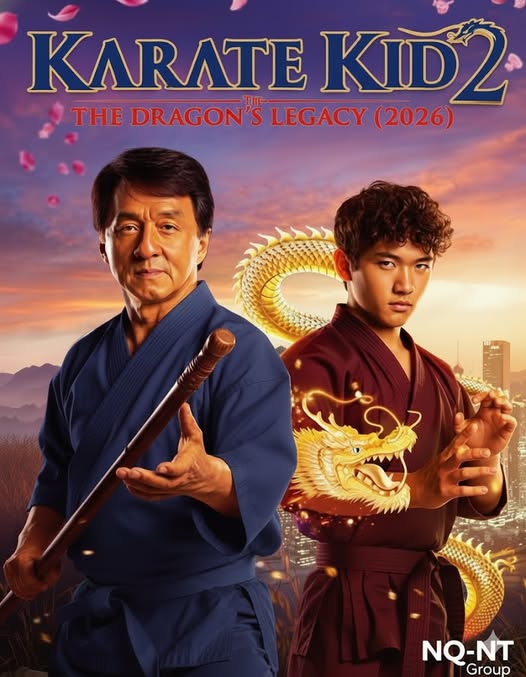
THE KARATE KID (2026) steps onto the mat carrying decades of legacy—and surprisingly, it lands with balance and heart. Rather than relying solely on nostalgia, the film reframes the franchise for a new generation while respecting the spirit that made it iconic: discipline, humility, and growth through struggle.
The story centers on mentorship and identity. The training sequences are once again the soul of the film—patient, purposeful, and emotionally grounded. Each lesson feels earned, echoing the philosophy that karate is not about domination, but self-mastery. The film wisely slows down here, allowing the audience to feel the weight of repetition, failure, and quiet progress.
Action is crisp and grounded. The choreography avoids flashy excess, favoring clean technique and emotional stakes. Every fight tells a story—fear turning into focus, anger transforming into control. The final tournament doesn’t just test physical ability; it challenges the characters’ values, making the outcome feel meaningful beyond victory or defeat.
What elevates The Karate Kid (2026) is its respect for legacy characters without letting them overshadow the newcomers. The passing of wisdom feels natural, not forced, reinforcing the idea that traditions survive by evolving. Themes of resilience, cultural respect, and inner balance run throughout, giving the film a sincerity often missing in modern reboots.
If there’s a weakness, it’s predictability. Some story beats follow familiar paths, and seasoned fans will see certain turns coming. Still, the emotional execution is strong enough to keep it engaging.
Related movies :