CALL OF DUTY (2026)
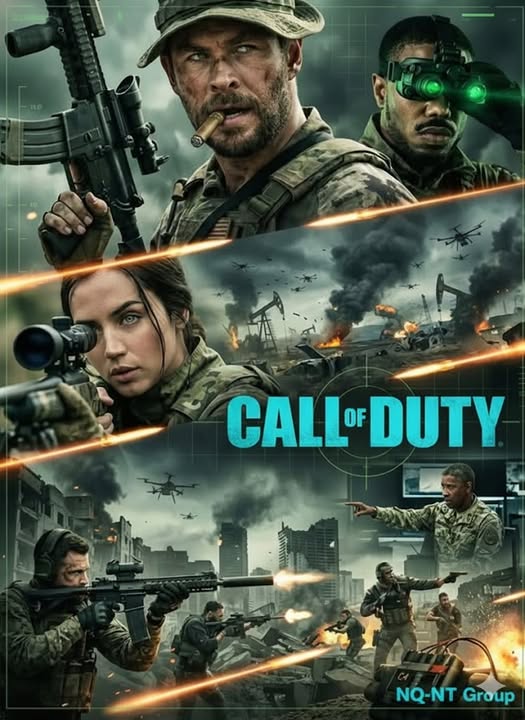
CALL OF DUTY (2026) arrives as a thunderous, high-stakes military action epic that leans hard into modern warfare’s chaos while grounding its spectacle in brotherhood, sacrifice, and moral ambiguity. Rather than glorifying combat, the film frames war as a relentless machine—one that consumes heroes as quickly as it creates them.
The film’s greatest achievement is its scale and realism. Urban firefights, drone-led assaults, and night-vision operations are staged with brutal clarity. The sound design is punishing—gunfire cracks like thunder, explosions disorient rather than excite, and silence becomes just as terrifying as noise. The camera stays close to the soldiers, making every decision feel immediate and deadly.
Narratively, Call of Duty focuses on a tight unit operating in a shifting global conflict where enemies blur and alliances fracture. The story doesn’t chase complexity for its own sake, but it does ask difficult questions about obedience, responsibility, and the cost of following orders when lines are crossed. Characters are defined less by backstory and more by action—who they protect, who they abandon, and what they’re willing to live with afterward.
The action is relentless but disciplined. Unlike many war films that escalate endlessly, this one understands rhythm—short, explosive engagements followed by heavy moments of reflection. Performances are grounded, emphasizing exhaustion and psychological strain over bravado.
Its main flaw lies in familiarity. Fans of the franchise will recognize narrative patterns and archetypes, and some emotional beats feel familiar. Still, the execution is strong enough to rise above cliché.
Related movies :