DEATH CURVE (2015)
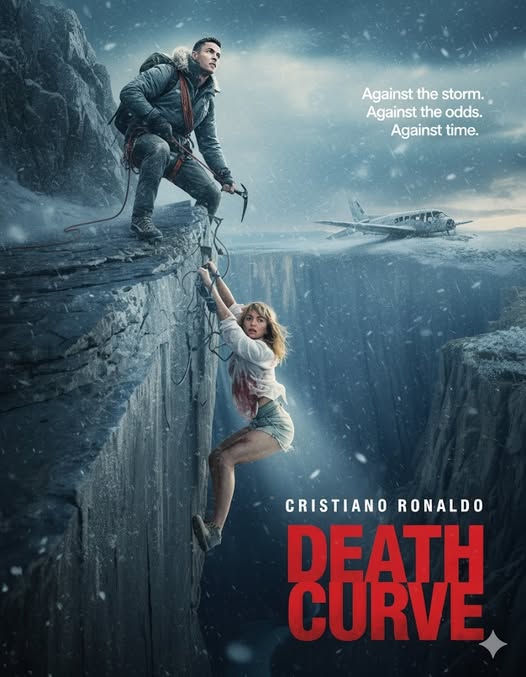
Death Curve is a lean, low-budget action thriller that thrives on tension rather than spectacle. It doesn’t pretend to reinvent the genre, but it understands one thing very well: fear is most effective when it feels close, sudden, and unavoidable—much like the road it’s named after.
The film centers on a notorious stretch of highway where a series of brutal crashes and disappearances begin to form a chilling pattern. As the mystery unfolds, Death Curve blurs the line between accident and intention, turning everyday driving into a source of dread. The concept is simple, but it’s used efficiently, keeping the audience constantly uneasy.
Performances are grounded and naturalistic. The leads don’t play heroes; they play ordinary people reacting to escalating danger, which adds realism to the chaos. There’s a rawness to the acting that fits the film’s gritty tone, even when the dialogue occasionally feels sparse or functional.
Visually, the movie makes smart use of its limitations. Night driving scenes, harsh headlights, rain-soaked asphalt, and sudden impacts are framed to maximize tension. The crashes aren’t overly stylized—they’re abrupt and violent, reinforcing the film’s grim message about how quickly control can be lost. The sound design, especially screeching tires and distorted radio noise, does much of the heavy lifting.
Narratively, Death Curve is straightforward, sometimes to a fault. The mystery doesn’t dig as deep as it could, and some characters exist more to raise the body count than to evolve meaningfully. Still, the pacing rarely drags, and the atmosphere remains consistently oppressive.
Final Verdict:
Death Curve won’t leave a lasting cultural mark, but it succeeds as a tense, no-frills thriller that taps into a universal fear—losing control in an instant.
Related movies :