FIFTY SHADES 4 (2026)
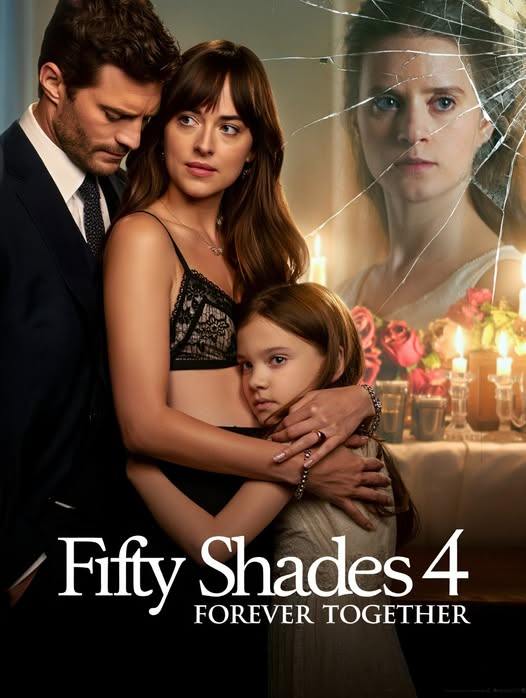
Fifty Shades 4 arrives quietly—but with intention. No longer obsessed with shock value or glossy excess, this chapter trades whips and contracts for something more dangerous: emotional exposure.
Dakota Johnson’s Anastasia Steele is the film’s true center. Now older, sharper, and less willing to bend, she carries a quiet authority that reshapes the power dynamics that once defined the franchise. Jamie Dornan’s Christian Grey is more restrained, almost fragile—haunted by the fact that control no longer protects him. Their chemistry hasn’t vanished; it’s transformed. It simmers instead of explodes.
The film leans heavily into mood. Soft lighting, muted colors, and long silences replace the pulse-heavy montages of earlier entries. Director choices favor intimacy over spectacle—glances linger, conversations bruise. The eroticism is still present, but it’s filtered through memory, regret, and the fear of losing what was once taken for granted.
Narratively, Fifty Shades 4 isn’t about scandal—it’s about consequence. Marriage, identity, trust, and the quiet resentments that grow in long-term love take center stage. At times, the pacing drags, and fans expecting constant heat may find it restrained. But that restraint feels deliberate.
This isn’t a reinvention—it’s a reckoning.
Verdict:
Elegant, reflective, and surprisingly mature, Fifty Shades 4 closes the door softly rather than slamming it shut. It may not thrill everyone—but for those who’ve grown with the characters, it lands with a lingering ache.
Related movies :