
THE TEXAS CHAIN SAW MASSACRE: REBORN
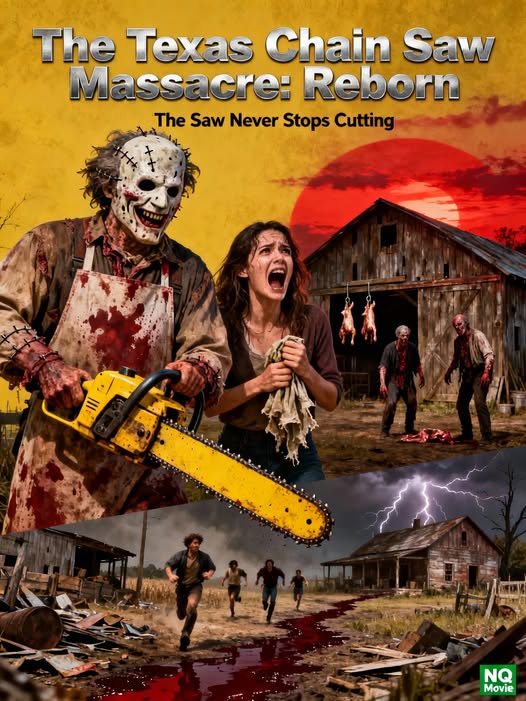
The Texas Chain Saw Massacre: Reborn does not try to modernize terror.
It drags it back to where it was born — into heat, rot, and helpless silence.
This reboot strips the franchise of spectacle and returns to something far uglier and more personal. The camera clings to cracked skin, trembling breath, and long, suffocating pauses where nothing happens… and everything feels inevitable. The rural landscape becomes a trap — empty roads stretching like open wounds, abandoned farmhouses collapsing under decades of cruelty, and fields that offer no escape, only distance.
What makes Reborn unsettling is its refusal to romanticize violence. The chainsaw is not a symbol. It is a tool. Loud, crude, exhausting. Every attack feels messy and brutally physical, forcing the audience to sit with panic instead of adrenaline. The sound design is merciless — the engine’s shriek slicing through silence like a warning that arrives too late.
Leatherface is reimagined not as a mythic slasher icon, but as a broken product of isolation, control, and inherited brutality. The film never excuses him — but it frames the horror as something grown, cultivated, and protected by the same decaying family structure that has poisoned this land for generations.
The story focuses on a small group of outsiders whose biggest mistake is not curiosity — it is confidence. They believe in phones, maps, and daylight. Reborn quietly dismantles all three.
More than a reboot, The Texas Chain Saw Massacre: Reborn is a return to fear without style — fear that smells of dust, blood, and burning fuel.
Related movies :