Charlie and the Chocolate Factory 2 (2025)
- DuongNgocAnh
- February 11, 2026
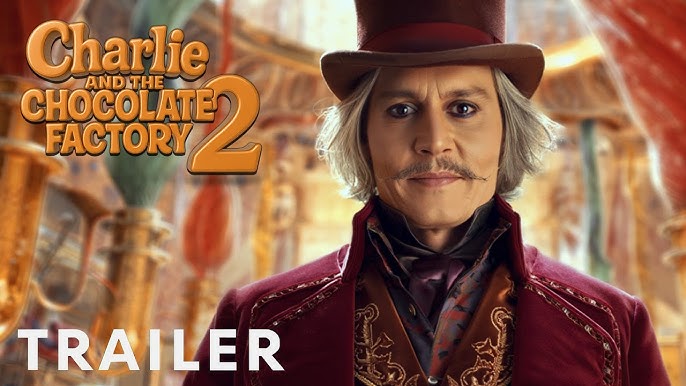
Charlie and the Chocolate Factory 2 (2025)
The chocolate factory is back—and this time, it’s Charlie’s turn to take the reins.
After the whirlwind adventure that changed his life forever, Charlie Bucket (Freddie Highmore) is now the proud heir to Willy Wonka’s magical chocolate factory. The once humble boy who won the golden ticket now finds himself at the helm of one of the most fantastical places in the world. However, taking control of Willy Wonka’s extraordinary factory proves to be an even greater challenge than Charlie ever expected. The wondrous factory, with its chocolate rivers, candy gardens, and eccentric machines, has a life of its own—and it’s up to Charlie to keep everything running smoothly.
In this heartwarming sequel, Charlie and the Chocolate Factory 2, Charlie must balance the demands of the factory, confront strange new mysteries, and deal with the eccentricities of the factory’s former owner, Willy Wonka (Johnny Depp), who is still very much present, albeit in his own peculiar way. The factory that Charlie inherited is not just a place of confectionary magic; it is a symbol of his dreams, his family’s legacy, and the impossible-to-predict nature of the world that Wonka has created.
A New Era in the Chocolate Factory
The film picks up years after the events of the original, where Charlie has grown up and is now in his early twenties. He’s become a responsible and kind young man, much like the child who once showed such incredible integrity. But despite his good intentions, Charlie quickly learns that managing the factory isn’t as easy as it seems. The chocolate river still flows, the Oompa Loompas continue to work tirelessly, and the wonders of the factory are endless—but running it requires far more than just keeping the machines in order. Charlie must navigate the complex and often unpredictable world that Willy Wonka built, while also making his mark and ensuring that the factory remains as magical and wondrous as it ever was.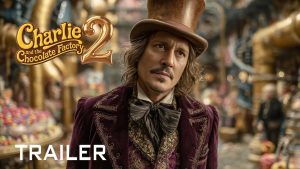
The first challenge comes when Charlie begins to notice that the factory is changing in subtle, mysterious ways. Machines that once ran smoothly now malfunction for no apparent reason. The candy recipes seem to be evolving on their own, producing strange and unexpected results. While Charlie is still learning the intricacies of the factory, he quickly realizes that someone—or something—seems to be meddling with the fabric of Wonka’s world. As he digs deeper into these new mysteries, he realizes that he may need to turn to the source of the factory’s magic—the very eccentric, whimsical man who once controlled everything: Willy Wonka himself.
Willy Wonka’s Eccentricity
Johnny Depp returns to the role of Willy Wonka, and with him, a fresh layer of oddness and eccentricity. Although he no longer owns the factory, Wonka’s influence is still felt in every corner of the place. He’s still a whimsical, unpredictable figure, prone to oddball statements and bizarre behavior. But as Charlie begins to face the growing complications of factory life, Wonka’s unique perspective on life and magic proves to be both a blessing and a curse.
Wonka, ever the dreamer, is both a source of endless creativity and a challenge for Charlie to manage. While Charlie wants to run the factory with practicality and care, Wonka pushes him to think bigger, wilder, and more fantastically. Wonka’s presence challenges Charlie’s notions of responsibility and imagination, forcing him to embrace the unpredictable nature of the factory while also learning how to rein in the chaos it creates. Willy Wonka, it seems, is as much a force of nature as the chocolate rivers themselves.
Charlie, in his new role, must find a way to respect and channel Wonka’s creativity while making sure the factory remains sustainable. This delicate balancing act becomes more complicated when a series of unexpected visitors arrive at the factory, each with their own mysterious motives and intentions.
The New Mysteries of the Factory
As Charlie settles into his new role, he begins to realize that the chocolate factory is more than just a place of production; it is a living entity with its own quirks, desires, and secrets. The machines, the candy, and even the Oompa Loompas seem to have their own personalities, each contributing to the factory’s unique energy. Yet, as the factory begins to malfunction in ways it never has before, Charlie is forced to confront a new problem: the magical nature of the factory is beginning to fade, and the balance that once kept everything running smoothly is in jeopardy.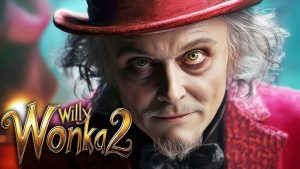
At the heart of this mystery is a new and unsettling force within the factory—a force that seems to be linked to the magic that Willy Wonka introduced to the world. Strange, unexplained phenomena begin to occur in the candy rooms, and the magical ingredients that once powered the factory now seem to be running low. What was once a place of endless possibilities is now teetering on the edge of collapse, and Charlie must find a way to restore the balance.
With Wonka’s help, Charlie uncovers that the key to saving the factory may lie in understanding the true origins of the magic that powers it. But as the mysteries grow deeper and more complex, Charlie is faced with a difficult choice: Does he preserve the factory’s magic as it is, or does he risk everything to discover a new, potentially more powerful way of running it? This question of tradition versus innovation becomes a major theme of the film, as Charlie grapples with the weight of responsibility and the desire to leave his own legacy.
The Importance of Family and Imagination
At its core, Charlie and the Chocolate Factory 2 is about the power of family, imagination, and dreams. As Charlie takes on the challenge of running the factory, he learns that the true magic of Willy Wonka’s world lies not in the candy or the machines, but in the belief that anything is possible. The factory is a place where the wildest dreams come true, but it is also a place where family, trust, and unity are key. Throughout his journey, Charlie is reminded of the lessons he learned as a child—lessons about kindness, responsibility, and the importance of staying true to oneself.
This deeper dive into the magic of imagination serves as a heartwarming exploration of what it means to grow up, inherit legacies, and make one’s own mark on the world. Charlie’s relationship with Willy Wonka is both that of a mentor and a friend, and as Charlie faces the factory’s challenges, he is reminded that no matter how fantastical the world becomes, it is the people we care about and the bonds we share that give life its true meaning.
The Oompa Loompas, too, play a more prominent role in the sequel, offering their own brand of quirky wisdom and humor. While they continue to be the factory’s diligent workers, they also serve as a reminder of the factory’s rich history and the family-like community that has always existed within its walls. Their songs and antics continue to bring joy and laughter, but beneath their whimsical nature lies a sense of loyalty and love for the factory and its mission.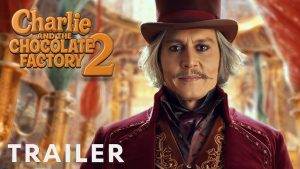
Charlie’s Legacy and the Future of the Factory
By the end of the film, Charlie learns that the magic of Willy Wonka’s chocolate factory isn’t something that can be controlled or contained—it is something to be nurtured, celebrated, and shared with the world. As Charlie takes full responsibility for the future of the factory, he understands that it is not just his inheritance, but his duty to ensure that the magic lives on for generations to come. This heartwarming sequel closes with a sense of hope and possibility, as Charlie begins to shape the future of the chocolate factory, all while embracing the wonder and joy it has always brought to the world.
Charlie and the Chocolate Factory 2 is more than just a sequel—it is a celebration of the power of imagination, family, and the courage it takes to follow your dreams. The whimsical adventure, the colorful characters, and the timeless themes of creativity and responsibility combine to create a film that will inspire audiences of all ages to believe in the magic of possibility.