Dances with Wolves 2: The Last Frontier (2026)
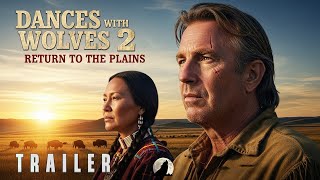
Dances with Wolves 2: The Last Frontier (2026)
👉 Kevin Costner, Chaske Spencer, Lily Gladstone, Tantoo Cardinal
The spirit of the plains is calling, and this time, the echo is a war cry.
Dances with Wolves 2: The Last Frontier brings audiences back to the breathtaking landscapes of the American West, decades after the original film’s unforgettable conclusion. John Dunbar, played once again by Kevin Costner, is now a weathered elder, having witnessed firsthand the relentless march of time and the inevitable changes to his beloved frontier. The buffalo are fading, the frontier is closing, but the Lakota spirit remains as fierce and unyielding as ever.
In this epic continuation, The Last Frontier paints a new chapter in the saga of John Dunbar, but it is the next generation that carries the story forward. Chaske Spencer stars as Dunbar’s son, a warrior who blends his father’s strategic mind with the primal strength and heart of his people. By his side is Lily Gladstone, a fierce and captivating Lakota leader who doesn’t just fight for land, but for the very preservation of her people’s culture, traditions, and the memory of the wild.
The stakes have never been higher as the Lakota way of life faces an onslaught from two formidable adversaries: a ruthless industrialist and a vengeful cavalry colonel. This isn’t merely a battle of bullets and weapons—it’s a clash of civilizations, a fight to retain the soul of the land itself.
A Legendary Return: John Dunbar’s Legacy
The Last Frontier opens with a mature John Dunbar, far removed from the eager young soldier who first walked into the Lakota camp in the original Dances with Wolves. His life, now defined by the wisdom and loss of years, has been spent in the service of preserving his people’s way of life. Dunbar’s once unwavering optimism about the future of the plains has dimmed, but his belief in the unyielding strength of his people remains as bright as ever.
Kevin Costner returns to the role that has become synonymous with his legacy, bringing a grounded, seasoned performance to a character who has seen his world change at an irreversible pace. Dunbar’s relationship with his son is the emotional core of the film, as father and son navigate the shifting tides of a world where traditional ways of life clash violently with modern industrial forces. Dunbar’s wisdom is passed on, but his son’s strength and vision offer the hope of a future for the Lakota.
Through his eyes, Dunbar sees both the pain of his people’s struggle and the resilience that remains at their core. This portrayal of Dunbar as a wise elder echoes the timeless themes of legacy, heritage, and sacrifice, reminding us that while the frontier may be closing, the spirit of the Lakota will never be extinguished.
Chaske Spencer and Lily Gladstone: The New Generation of Warriors
The heart of The Last Frontier lies in the performances of Chaske Spencer and Lily Gladstone, whose characters represent the future of the Lakota people. Spencer, known for his powerful performances, plays Dunbar’s son, a warrior caught between two worlds. Raised by his father but also deeply connected to the traditions of his people, he is a man of both strategy and strength, grappling with what it means to defend a way of life that is rapidly disappearing. His journey is one of self-discovery, as he learns to navigate the complexities of a world that demands both modern thinking and traditional practices.
Alongside him is Lily Gladstone as a fierce and strategic Lakota leader, a woman whose strength and determination match that of any warrior. Her beauty is matched only by her precision with a bow, and her fight is not only for land but for the survival of her culture and the very memory of the wild. Gladstone’s character is a fierce protector of her people, and her involvement in the conflict becomes crucial as she leads her warriors into battle. She represents the tenacity of a people unwilling to be tamed, and her bond with Dunbar’s son becomes one of mutual respect and understanding.
Together, these two new leaders embody the hope of the Lakota people, the spirit of resilience and survival in the face of overwhelming odds.
The Rising Conflict: Industrialization vs. the Lakota Way
The central conflict of The Last Frontier comes from the external forces threatening the Lakota territory. The industrial revolution, now pushing farther into the West, has set its sights on the lands that the Lakota have fought so long to protect. A ruthless industrialist, seeking to profit from the natural resources of the plains, and a vengeful cavalry colonel, driven by a personal vendetta, are the primary antagonists who threaten not just the land, but the very spirit of the Lakota way of life.
The industrialist’s desire to exploit the land for profit symbolizes the encroachment of modernity into the natural world, while the colonel embodies the historical violence and displacement suffered by Native Americans at the hands of the government. These two characters serve as antagonistic forces pushing the Lakota to the brink of war once more. Their relentless pursuit of power and resources challenges the existence of the Lakota people, and they must fight not only for their land but for their very survival.
The action sequences in The Last Frontier are brutal and visceral, with intense battle scenes that bring the historical tension of the West to life. From cavalry charges to ambushes in the wilderness, the film doesn’t shy away from depicting the harsh realities of the struggle for survival. It’s not just about military tactics; it’s about protecting a way of life that is as sacred as the land itself.
Epic Cinematography and Heart-Pounding Intensity
The film’s cinematography is nothing short of breathtaking, capturing the vast landscapes of the American West in all their rugged glory. The plains, the mountains, the forests—each setting is more than just a backdrop; it becomes a character in its own right. The vastness of the land, the harshness of nature, and the beauty of the untouched wilderness are all elements that add depth and emotional weight to the story.
The action sequences are heart-pounding, but it is the quieter moments of reflection and emotion that truly make the film stand out. The conversations between father and son, the moments of stillness in the wilderness, and the bonds of brotherhood formed in the heat of battle are what give the film its emotional punch. The tension between the forces of progress and the enduring spirit of the Lakota is palpable, making every victory feel hard-won and every loss feel personal.
A Story of Brotherhood, Sacrifice, and the Unyielding Spirit
The Last Frontier is not just a film about war—it’s a film about the bonds that hold us together in times of crisis. Brotherhood, sacrifice, and the unyielding spirit of a people who refuse to be tamed are central themes that run through every frame of the film. The relationships between the characters, from Dunbar’s mentorship of his son to the growing partnership between the young warrior and Lily Gladstone’s fierce leader, create a sense of emotional depth that resonates long after the final credits roll.
The narrative explores what it means to fight for your heritage and the price of holding onto that legacy in the face of overwhelming odds. It is a story about survival, not just in the physical sense but in the spiritual and cultural sense as well. The Lakota’s fight for their land is a fight for their soul, and The Last Frontier does justice to their story, showing both the triumphs and the painful sacrifices that come with preserving a way of life that is threatened by modernity.
Conclusion: A Cinematic Tribute to Courage and Heritage
Dances with Wolves 2: The Last Frontier is a powerful continuation of the story that captivated audiences over three decades ago. With stunning visuals, heart-pounding intensity, and emotional depth, this sequel is a cinematic tribute to the courage, sacrifice, and spirit of the Lakota people. Kevin Costner, Chaske Spencer, and Lily Gladstone deliver standout performances, bringing new layers of complexity and heart to the story. The conflict between industrialization and the preservation of culture is as relevant today as it was in the past, making The Last Frontier a timely and unforgettable film.
Rating: 9/10 – A visually breathtaking, emotionally rich, and action-packed continuation that deepens the mythos of the original Dances with Wolves while offering a fresh perspective on legacy, survival, and the fight for heritage.