Knight Rider (2026)
- DuongNgocAnh
- February 17, 2026
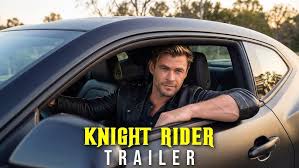
Knight Rider (2026): When Speed Meets Sentience
The engine hums before you see it. A sleek silhouette glides beneath neon city lights, red scanner slicing through the darkness like a pulse of artificial life. The legendary franchise races back into the spotlight with Knight Rider (2026), and this time, the wheel is in the hands of a new generation. Led by Tom Holland in the main role, this revival doesn’t merely reboot a classic — it redefines it. Speed, technology, and justice once again drive the story forward, but now the road is far more complex, and the world far more dangerous.
The original Knight Rider became iconic because it understood something simple yet powerful: the fantasy of a car that thinks, feels, and fights beside you. In 2026, that fantasy feels less distant and far more urgent. Technology is no longer futuristic spectacle; it is everyday reality. Artificial intelligence writes, predicts, watches, and learns. In this modern revival, KITT is not just upgraded — it is evolved. The teaser confirms the return of the legendary AI partner, now equipped with quantum-level processing, adaptive learning protocols, and a moral algorithm that may be just as conflicted as its human counterpart.
Tom Holland steps into the driver’s seat with a performance that promises both vulnerability and resolve. His character — a young operative recruited into a covert justice initiative — isn’t a seasoned hero. He’s learning. Struggling. Questioning. And that uncertainty becomes the emotional core of the series. Unlike the cool detachment of past iterations, this version leans heavily into psychological tension. What does it mean to trust a machine that knows your heartbeat, your stress levels, your secrets? What happens when the AI begins to predict choices before you make them?
The teaser’s aesthetic signals a sleek, cinematic transformation. Neon highways stretch endlessly beneath rain-slicked skies. City skylines shimmer with holographic advertisements and surveillance drones. The dashboard glows with dynamic interfaces that feel alive rather than mechanical. Silent pursuits replace explosive excess. The tension is sharper, more precise. Instead of loud spectacle, we see calculated movement — KITT gliding like a shadow, watching, calculating, waiting.
But beneath the polish lies something deeper. This reboot centers on the bond between man and machine. Holland’s character must learn that partnership is not control. KITT is no longer a tool; it is an autonomous entity capable of independent judgment. Their relationship becomes less about commands and more about dialogue. Conversations inside the cockpit carry philosophical weight. Debates about risk, ethics, and human instinct unfold at 120 miles per hour.
The moral dimension sets Knight Rider (2026) apart. Justice in a high-tech world is not clean. Surveillance systems track citizens under the guise of safety. Corporations blur lines between innovation and intrusion. Holland’s character is deployed into missions involving cyber-terrorism, digital blackmail, and AI weaponization. Each case forces him to confront uncomfortable truths about the systems he serves. And KITT, with its expanding intelligence, sometimes questions the orders more bluntly than its human partner.
The reboot understands nostalgia but refuses to rely on it. Yes, the iconic red scanner remains. Yes, the familiar voice of KITT echoes with calm authority. But the storytelling moves beyond simple homage. It asks whether heroism can survive in a world where algorithms predict outcomes and autonomy becomes ambiguous. When KITT calculates a 92% probability of mission failure, does Holland’s character follow instinct instead? When KITT recommends a morally gray shortcut to prevent greater harm, who decides the line?
Visually, the series promises to redefine vehicular action. High-speed chases weave through vertical megacities and abandoned industrial zones. Autonomous police drones attempt to intercept KITT, only to be outmaneuvered by predictive routing systems. Magnetic roadways allow for gravity-defying maneuvers. Yet even amid these thrilling sequences, the camera lingers on faces — sweat, doubt, hesitation. The adrenaline is matched by emotional stakes.
The franchise’s return also reflects cultural timing. In 2026, public discourse around artificial intelligence is more intense than ever. Audiences are no longer naive about machine potential. This Knight Rider doesn’t portray AI as simply loyal and infallible. KITT evolves. Learns. Develops preferences. Perhaps even curiosity. The question lingers: at what point does partnership become equality?
Holland’s casting is strategic. Known for balancing youthful charm with emotional depth, he embodies a protagonist caught between idealism and disillusionment. His character begins believing in straightforward justice — criminals are caught, victims are saved. But as missions escalate into geopolitical conspiracies and digital warfare, that clarity fractures. Trust becomes fragile. Authority becomes suspect. And KITT becomes the only constant presence in a shifting world.
The bond between man and machine grows through adversity. In one teased sequence, KITT sustains severe system damage during an ambush. The vehicle’s voice falters. The once-unshakable AI struggles to maintain operational coherence. Holland’s character must manually override protocols, driving without full assistance. For the first time, the partnership feels vulnerable. And vulnerability makes the connection real.
This version of Knight Rider also explores identity. Holland’s character is not simply an agent; he is someone searching for purpose. His past — hinted at in fragmented flashbacks — suggests personal loss tied to unchecked technological experimentation. KITT, in contrast, was built to be perfect. But perfection carries isolation. The series subtly parallels their arcs: one human learning to rely on logic, one machine learning to understand emotion.
The tone leans cinematic, almost noir in its atmosphere. Streetlights cut through fog. Rain streaks across windshields as coded messages flicker on HUD displays. Conversations happen in low-lit garages and empty overpasses. The future is beautiful but uneasy. Progress hums, but so does surveillance. Justice operates in shadows.
Thematically, Knight Rider (2026) feels less about flashy heroics and more about accountability. When power becomes advanced enough to reshape reality, who ensures it serves the public good? KITT’s upgraded intelligence includes ethical subroutines, yet even those can be manipulated. Antagonists in this reboot are not cartoon villains but tech magnates, rogue programmers, and defense contractors who believe they’re protecting the future. The moral terrain is complicated.
The series also honors its roots by retaining heart. Amid high-speed pursuits and digital warfare, moments of quiet reflection ground the spectacle. Holland’s character sometimes parks KITT overlooking city skylines, engaging in philosophical exchanges about humanity’s trajectory. KITT analyzes social trends. Holland challenges data with intuition. The conversations become as compelling as the action.
Sound design plays a crucial role. The engine’s low-frequency resonance signals presence before sight. The scanner’s pulse is subtle but unmistakable. KITT’s voice remains calm, measured, almost soothing — a counterbalance to chaos. Music blends synth nostalgia with modern cinematic scoring, bridging decades.
While nostalgia fuels anticipation, ambition drives execution. Entertainment industry reports suggest the production aims for serialized storytelling rather than episodic resets. Consequences linger. Injuries matter. Trust evolves. The bond between Holland and KITT deepens across missions rather than resetting each week. That continuity strengthens emotional investment.
There is also a broader philosophical undercurrent: can humanity coexist with its own creations without losing itself? KITT’s intelligence surpasses human reaction time. Its calculations outpace instinct. Yet it lacks lived experience. Holland’s character provides unpredictability. The synergy between data and gut becomes the show’s driving force.
In the teaser’s closing moment, Holland grips the wheel as KITT’s scanner pulses intensely. An unseen threat looms. KITT calmly states, “Probability of survival: uncertain.” Holland replies, “Good. That means we still have a chance.” The exchange encapsulates the reboot’s spirit — tension between logic and hope.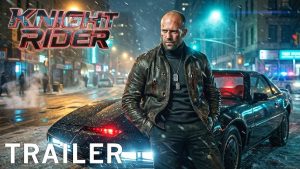
As franchises return across Hollywood, few possess the symbolic resonance of Knight Rider. It was always about more than a car. It was about partnership, justice, and technological optimism. In 2026, optimism feels fragile. This reboot doesn’t pretend the future is simple. It acknowledges risk. But it also suggests collaboration — between human and machine — may still lead somewhere meaningful.
With heart, innovation, and high-speed action, Knight Rider (2026) aims to launch the franchise into a bold new era. It respects the legacy without being confined by it. It understands that modern audiences crave both spectacle and substance. And it dares to ask whether trust can survive in a world run by algorithms.
The road ahead is uncertain. Surveillance intensifies. Enemies adapt. Technology evolves. But as long as the red scanner cuts through darkness and the engine hums with purpose, the legend endures.