
The Woman King 2 (2025)
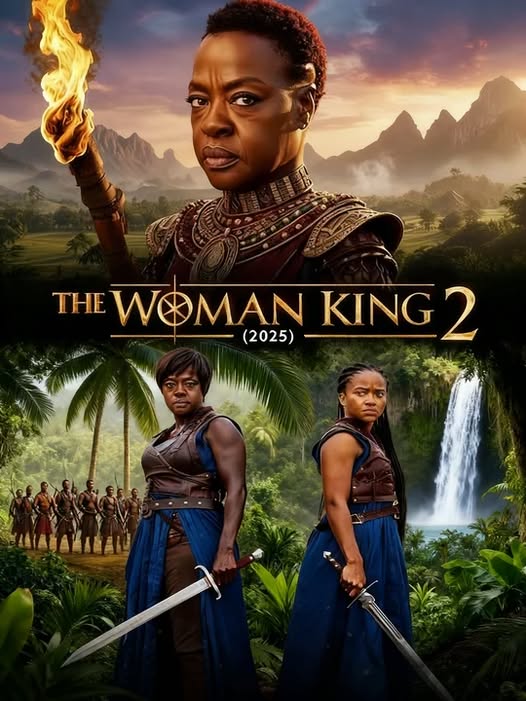
The Woman King 2 arrives with towering expectations after the critical and cultural impact of The Woman King. While the first film centered on survival, legacy, and resistance, the sequel expands its scale — politically, emotionally, and militarily — pushing the warriors of Dahomey into an even more volatile chapter of history.
The Woman King 2 builds upon the foundation established by The Woman King, expanding its scope from personal survival to political transformation. The sequel shifts from a character-driven war drama to a broader historical epic, exploring the fragile future of the Kingdom of Dahomey amid rising colonial pressure and internal ideological conflict.
At the center once again is General Nanisca, portrayed by Viola Davis. Her performance remains the emotional backbone of the film. This time, however, Nanisca is less a battlefield commander and more a strategic leader navigating moral dilemmas. Davis delivers a restrained yet powerful portrayal, conveying the burden of leadership with subtle intensity rather than explosive fury.
The Agojie — historically known as the Agojie — receive deeper narrative focus. The sequel explores generational tension within their ranks, highlighting younger warriors who question tradition while older leaders fight to preserve it. This internal conflict gives the story thematic complexity, even if it slows the pacing in parts.
Director Gina Prince-Bythewood returns with a more ambitious visual approach. The cinematography captures expansive landscapes and looming skies, symbolizing uncertainty. Battle sequences are carefully choreographed and grounded, emphasizing physical realism over spectacle. Unlike many modern action films, the camera remains steady, allowing the audience to fully absorb the combat without disorienting cuts.
Thematically, the sequel leans heavily into politics. It addresses colonial encroachment, economic pressures, and the cost of resistance. Where the first film emphasized empowerment and unity, this installment confronts compromise and consequence. Some viewers may find the political exposition dense, particularly in the middle act, but it strengthens the historical weight of the narrative.
Supporting characters are given more development, though occasionally at the expense of narrative momentum. The film juggles multiple subplots — diplomatic tensions, internal dissent, and personal sacrifices — which enrich the world but slightly dilute emotional immediacy.