THE MASK OF SKIN (2026)
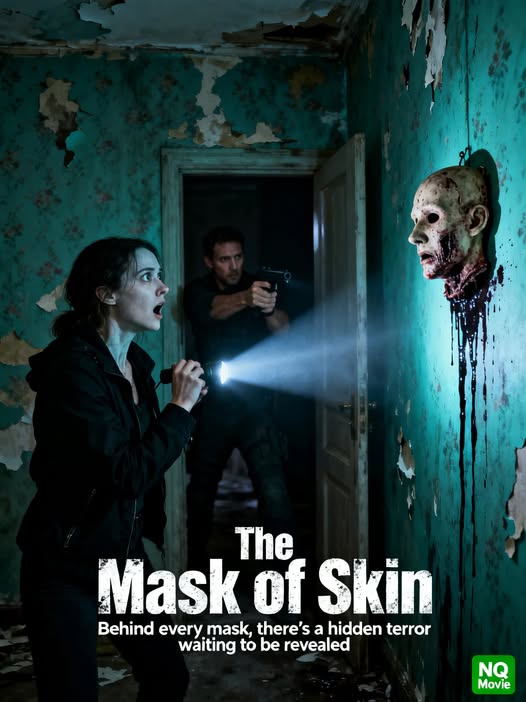
The Mask of Skin (2026) is imagined as a dark psychological horror film that blends supernatural mystery with disturbing body-horror elements. The story explores the terrifying idea that identity itself can be stolen, hidden behind something as simple—and horrifying—as a human face.
The film follows a forensic psychologist who is called to assist in a strange series of murders in a quiet city. At first the crimes seem unrelated, but investigators soon discover a disturbing pattern: every victim had recently reported seeing someone who looked exactly like them. Witnesses claim the victims were being followed by their own doubles, people wearing their faces but behaving like strangers.
As the investigation continues, rumors begin to spread about an ancient artifact known as the “Mask of Skin.” According to local legend, the mask allows its wearer to take on the appearance of another person by literally copying their identity. However, the transformation comes with a terrible price—the more faces the mask steals, the less human its wearer becomes.
The protagonist slowly uncovers a secret cult that has been searching for the artifact for years. Members of this group believe the mask grants ultimate freedom: the ability to become anyone, disappear without a trace, and live countless lives. But the deeper the psychologist investigates, the more she realizes that the mask may have a will of its own, influencing those who use it and driving them toward violence.
The horror in the film comes not only from supernatural elements but also from psychological fear. Characters begin to question the identity of everyone around them. Friends, coworkers, and even family members may not be who they appear to be. This constant uncertainty creates an atmosphere of paranoia, where no one can fully trust the face they see.
Visually, the movie would lean heavily into dark and unsettling imagery. Dimly lit rooms, cracked mirrors, and distorted reflections emphasize the theme of fractured identity. Scenes involving the mask itself would likely feature disturbing transformations, showing the slow and unnatural process of one face replacing another