A 5-MONTH-OLD BABY GIRL HAD A CLOSE CALL WITH A COMMON COLD-SEASON ILLNESS
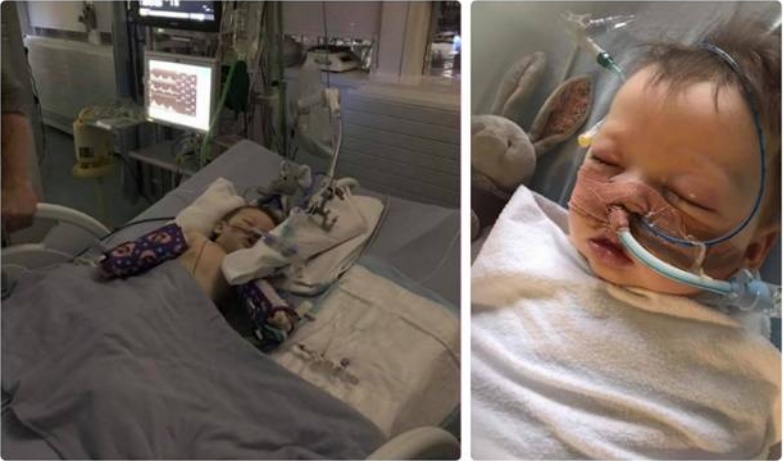
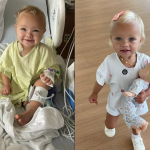
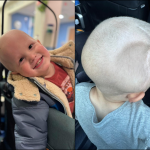
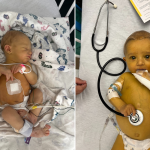
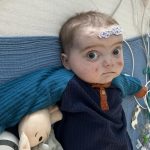
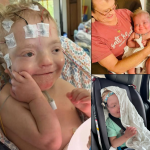
A family in England experienced a terrifying moment when their five-month-old daughter, Bonnie, nearly lost her life due to what seemed like a very common cold.
Initially, Bonnie exhibited familiar symptoms such as coughing, mild shortness of breath, and a rapid heartbeat. Upon being taken to the hospital, doctors diagnosed her with a common cold and allowed her to return home for monitoring.
But just hours after returning home, Bonnie’s condition suddenly worsened.
The coughing became more prolonged and frequent. Her breathing became labored and rapid. Noticing these unusual signs, Bonnie’s mother rushed her back to the hospital in a panic.
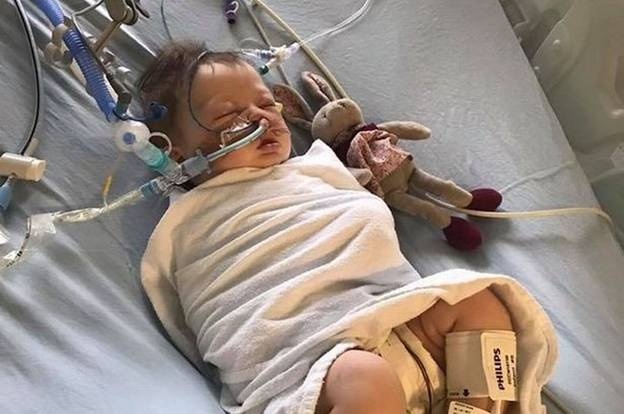
On the way to the emergency room, the worst almost happened.
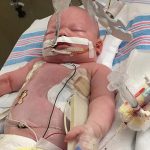
Bonnie stopped breathing at one point, her oxygen levels plummeted, and her heart rate spiked. The family could only pray for every second to pass. “We truly thought we had lost her,” her mother tearfully shared. “Everything happened so fast, we didn’t have time to understand what was going on.”
Doctors later determined that Bonnie’s condition was no longer just a simple cold. She had developed a secondary infection, leading to bronchopneumonia—a respiratory infection that can become very serious in infants.
In Bonnie’s case, this complication even led to sepsis, making her life-threatening.
Bonnie’s story is a powerful reminder to many parents.
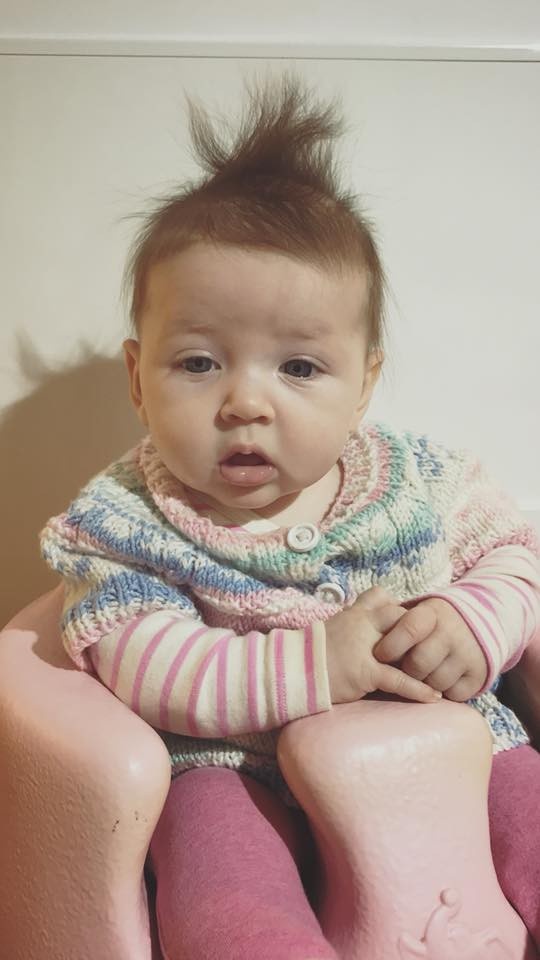
Many people often assume that colds, coughs, or bronchitis are just minor illnesses common with changing weather. Their worries often focus on more serious diseases like meningitis, measles, or mumps.
But the reality is, even seemingly simple symptoms can become complicated if not carefully monitored.
“We never thought a common cold could be so dangerous,” Bonnie’s family shared. “If we could go back, we would pay closer attention to even the smallest signs.”
Currently, Bonnie is receiving intensive medical care and monitoring. The family hopes their daughter’s story will inspire other parents to be more vigilant and not overlook any unusual signs in young children.