NEWBORN RECEIVES GROUNDBREAKING HEART REPAIR USING LIVING TISSUE — A LIFE-CHANGING FIRST ❤️
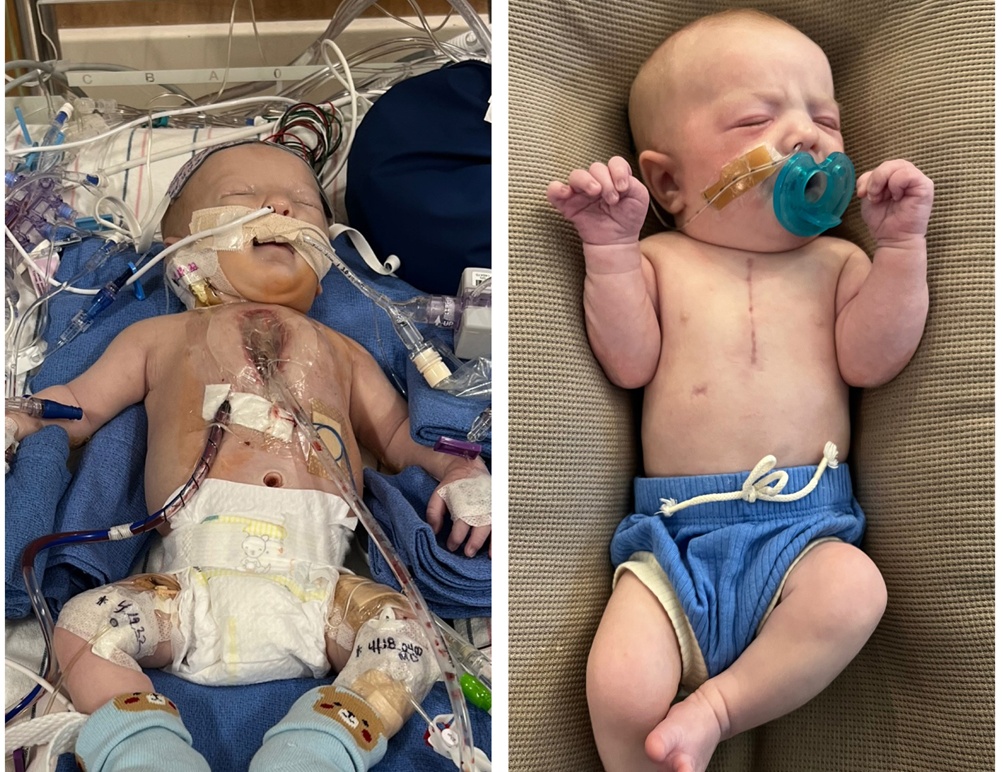
An American newborn baby received a heart transplant using living tissue. Previous cases used tissue from deceased donors, requiring multiple replacements throughout the child’s life.
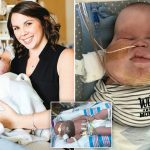
Owen Monroe, from North Carolina, was born weighing 2.2 kg with a congenital defect called the trunk of the arteries, meaning only one artery exits the heart instead of two separate arteries.
Doctors separated the two arteries and replaced the “leaking” heart valve using living tissue that would grow with the child, avoiding further surgery.
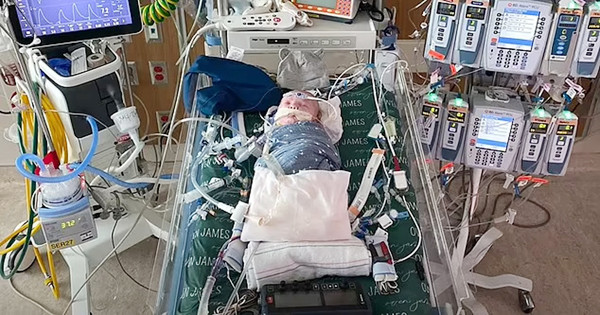
In similar cases, surgeons typically use dead tissue that may need replacing up to three times before adulthood and once every ten years thereafter.
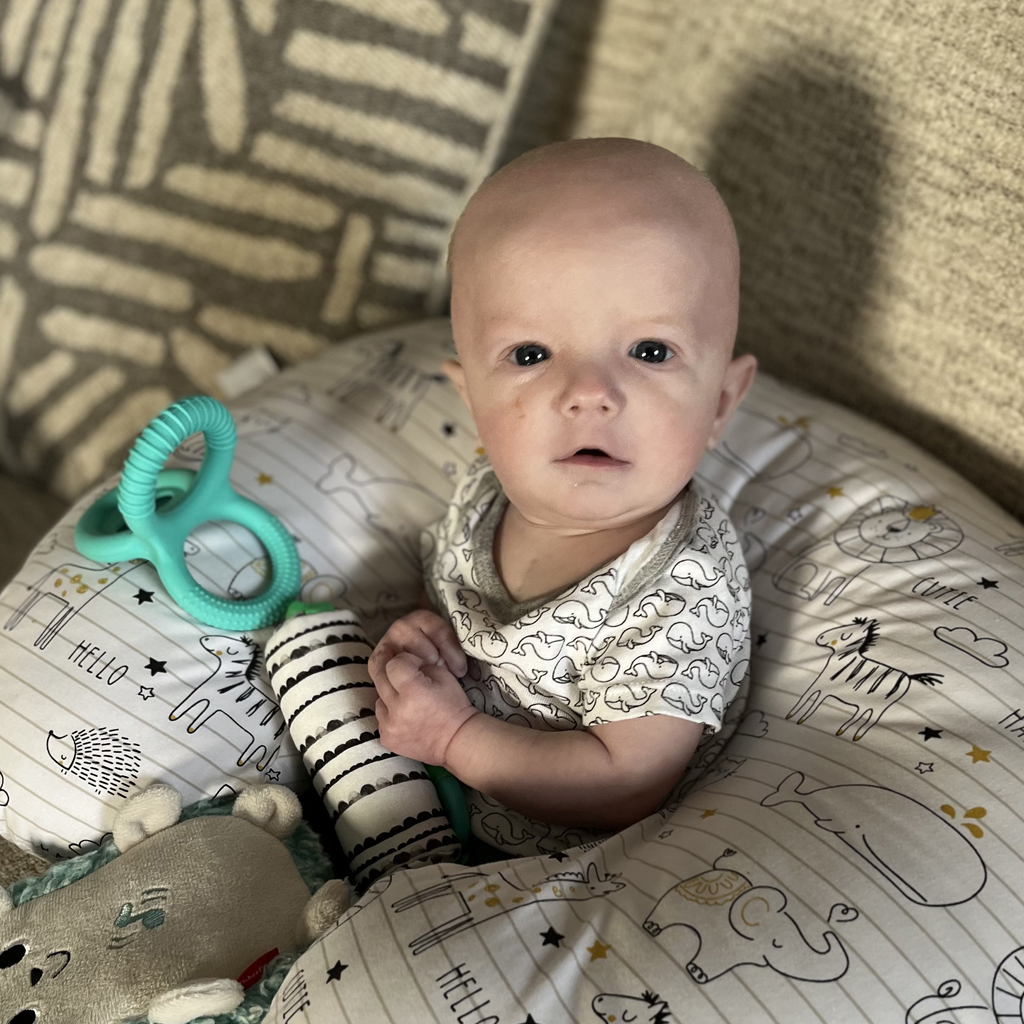
Since the surgery at Duke University, the baby is growing and reaching all the milestones of a normal child. His mother, Taylor Monroe, says the surgery was a miracle that saved her son.
A truncus arteriosus (a congenital heart defect) is often a death sentence for newborns without surgery because the heart has to work too hard to deliver nutrients to every part of the body. The incidence is quite rare, less than 1 in 10,000 American children.
Owen’s parents, Taylor and Nicholas Monroe, said they had few options because their son was at risk of heart failure shortly after birth. The waiting list for a complete heart transplant is about six months, but Owen couldn’t wait that long.
So, they enrolled in an experimental surgery at Duke University, which would use living tissue to separate the fused arteries.
About 90% of newborns who undergo the surgery use tissue from a deceased donor. Patients can live for up to 40 years.
However, children will need at least three more surgeries before adulthood to replace tissue as the body grows. After that, patients may need tissue replacements every 10 years.
Doctors also discovered that Owen had a leaky heart valve that needed replacing. During the surgery, Owen received living tissue and a valve from a donated heart belonging to another infant.
That heart had a healthy valve, but it was too weak to be fully transplanted. Doctors said that without Owen’s surgery, the heart would not have been used.
Doctors said Owen is developing normally, and his parents couldn’t be happier.
“My son is developing healthily, giving so much hope to children who go through similar situations,” Owen’s family shared.
Dr. Joseph Turek, a cardiologist who led the surgery, stated: “If we can eliminate multiple heart surgeries when the old valve is no longer suitable for the child’s development, we could extend that child’s lifespan by decades.”