HARRISON’S BATTLE WITH SCOLIOSIS & A RARE LIMB CONDITION — A STORY OF STRENGTH BEYOND WORDS 💙✨
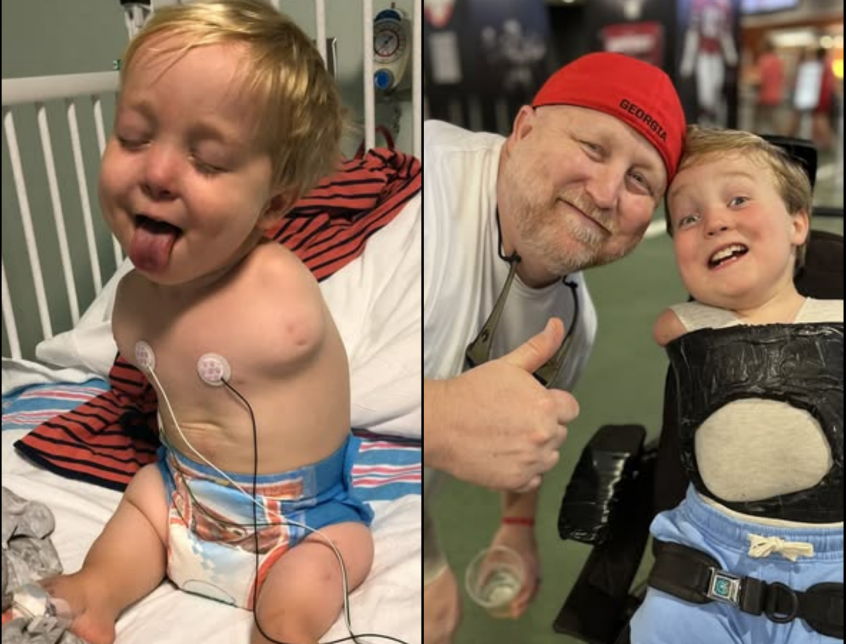
Living with rare medical conditions is never easy—especially for a child. But for Harrison, every small step forward is a meaningful victory.
Diagnosed with Scoliosis and Phocomelia, Harrison has faced unique challenges from a very young age. These conditions affect both the curve of his spine and the development of his limbs, requiring ongoing care and close monitoring.
To help manage his condition, Harrison has been under the care of Dr. Michael Schmitz, working closely with a dedicated orthopedic team to track changes in his spine and overall development.
One of the most difficult parts of Harrison’s journey has been something many might take for granted—routine X-rays.
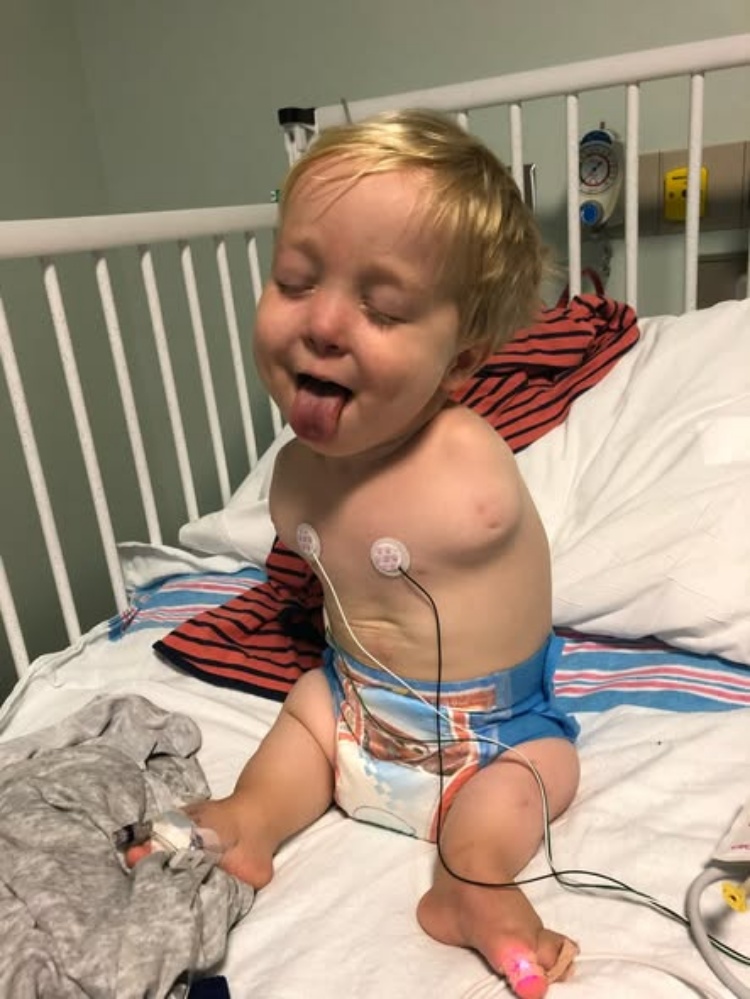
Because of his condition, lying flat on his back for imaging has always been uncomfortable and stressful. Each visit brought not only physical strain, but also emotional challenges for both Harrison and his family.
But during his most recent appointment, something changed.
Thanks to a new advancement in imaging technology at Children’s Healthcare of Atlanta, Harrison no longer had to lie down for his scans. Instead, for the first time, he was able to sit upright during the X-ray process—making the experience far more comfortable and less overwhelming.
This hospital is currently the only pediatric facility in Georgia offering this advanced X-ray imaging system with 3D modeling capabilities. The technology provides full-body images using a lower dose of radiation, making it safer and more accessible for children who require frequent monitoring—especially those with scoliosis, limb differences, and other orthopedic conditions.
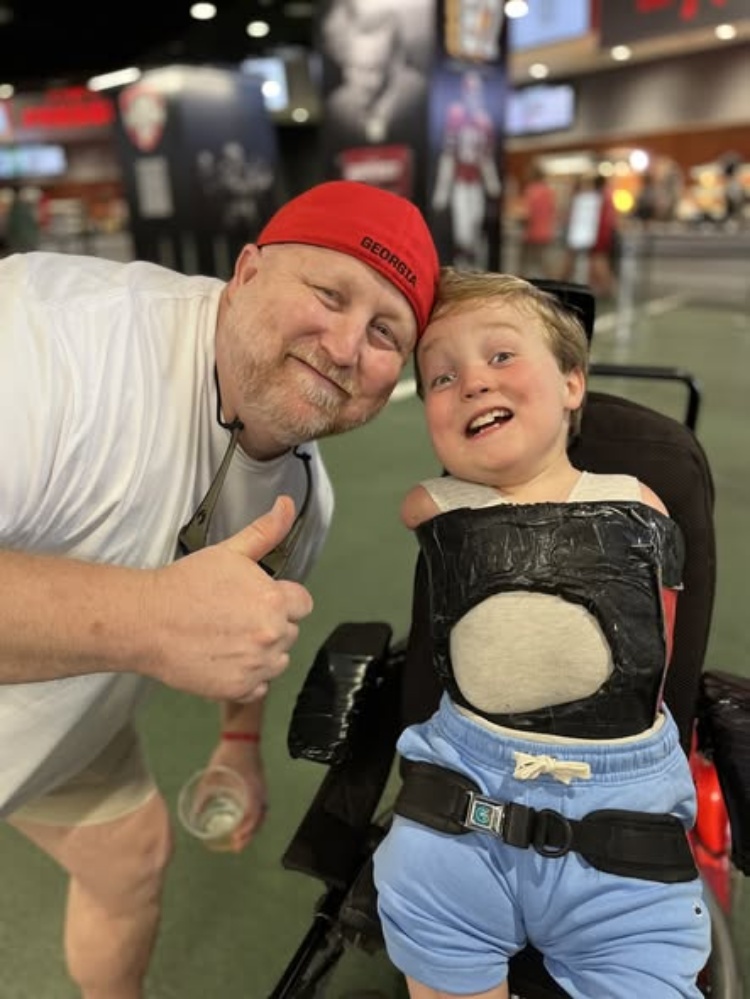
For Harrison, it wasn’t just a medical improvement—it was a moment of relief.
His mother, Emily Harrison, shared how much this change meant to their family:
“Seeing him sit comfortably during the scan instead of struggling on the table—it brought tears to my eyes. For the first time, it felt like the process was working with him, not against him.”
She added:
“Harrison has been so strong through everything. Moments like this remind us that progress isn’t just about treatment—it’s about giving our child dignity, comfort, and hope.”
As Harrison continues his journey, this new technology represents more than innovation—it represents compassion in care.