THE BABY BORN WITH TWO FACES: A TWO-MONTH-OLD BOY HAS AN ADDITIONAL FACIAL FORMATION LINKED TO AN UNDEVELOPED TWIN
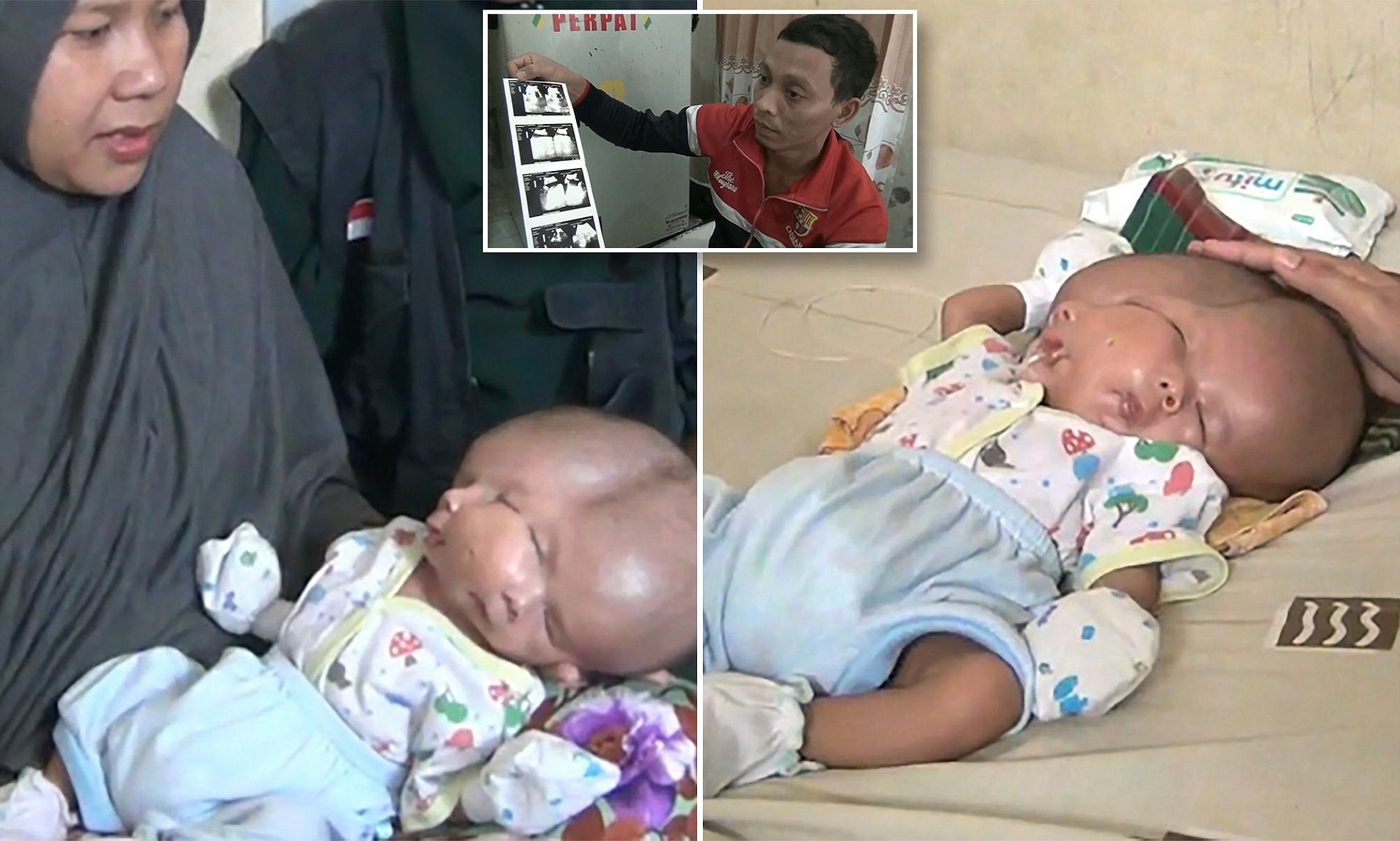
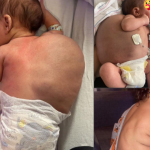
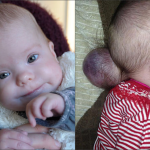
A baby has been born in Indonesia with two faces because his conjoined twin did not fully develop in the womb.
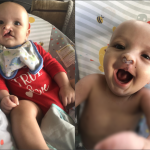
Two-month-old Gilang Andika, from Batam, a city in Indonesia about 20 miles (32km) across the sea from Singapore, has two faces and two brains but just one head.
This rare condition has affected his appearance and led to a serious medical issue that causes fluid to build up in the brain.
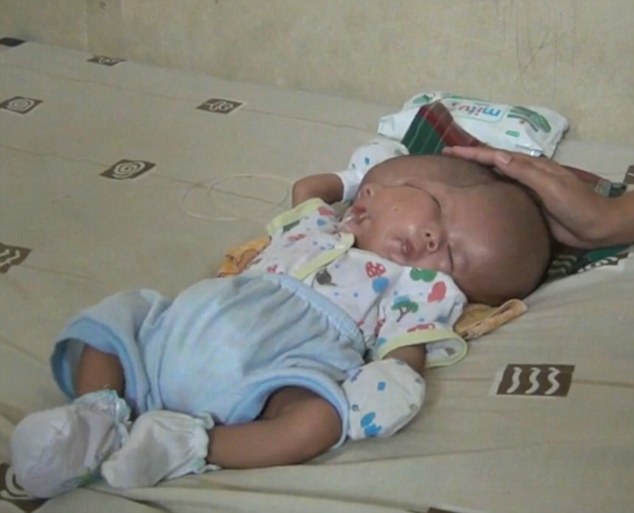
Although he has one body with two arms and two legs, Gilang is technically a conjoined twin – a condition that occurs in about one in every 250,000 births.
He has the face and brain of a sibling that did not develop its own body during pregnancy, due to the egg not fully separating.
His parents, Ernilasari and Mustafa, are now hoping to find help to support their son’s treatment after local doctors said surgery is very complex.
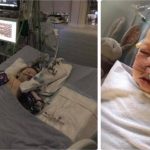
Because of his condition, Gilang cannot be breastfed and is being fed milk through a tube.
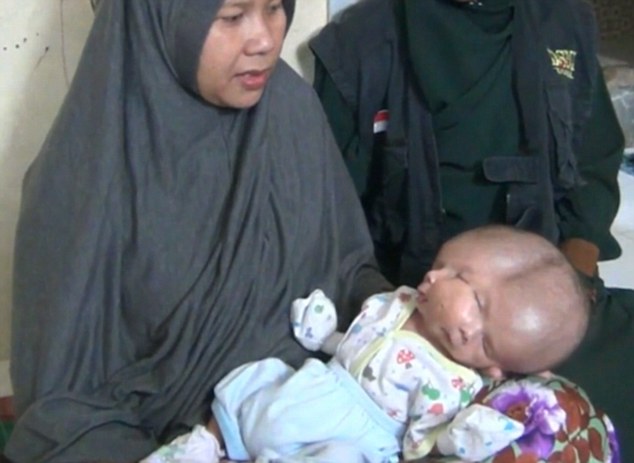
Doctors have shared that his health situation is very challenging.
The infant also has hydrocephalus, a condition caused by a build-up of fluid in the brain.
Many babies with hydrocephalus may experience long-term developmental challenges, including difficulties with learning, speech, vision, memory, or seizures.
Ernilasari and Mustafa were unaware of their son’s condition until he was delivered by Caesarean section.
The family hopes to seek further treatment for Gilang, but they are facing financial difficulties.
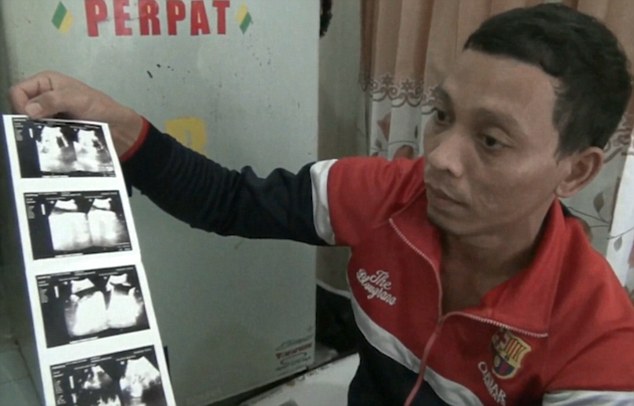
Dr. Nenden Ismawati, who cared for Gilang at Awal Bros Hospital in Batam, explained that surgery may not be immediately possible.
She told Kompas News: “We have referred the case to a hospital in Jakarta with more advanced equipment, but doctors there are still evaluating the situation.”
During pregnancy, Ernilasari said she did not notice anything unusual, and routine ultrasounds did not detect the condition.
“The doctor only mentioned that the baby’s head was larger than normal and that he was in a breech position,” she said.
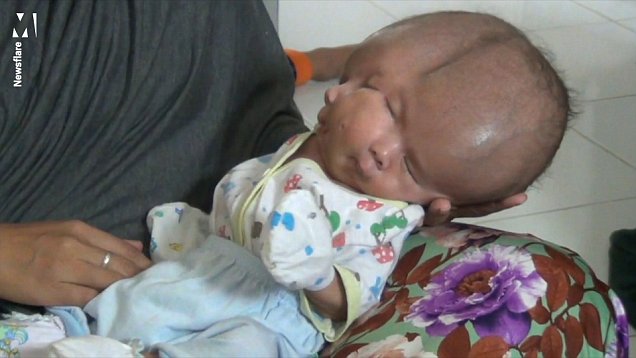
Now, the family is searching for possible treatment options, as the condition continues to affect the baby’s health.
It is believed that Gilang has a rare condition called diprosopus, also known as craniofacial duplication, where parts of the face develop twice due to an early developmental issue.
Treatment would likely involve a highly complex surgical procedure, which carries significant risks.