‘HEART RIPPED OUT’ OUR TODDLER IS SLOWLY 𝙳𝚈𝙸𝙽𝙶 OF CHILDHOOD DEMENTIA – WE HAD TO MAKE THE HEARTBREAKING DECISION TO END A PREGNANCY AFTER LEARNING OUR BABY CARRIED THE SAME GENE 💔
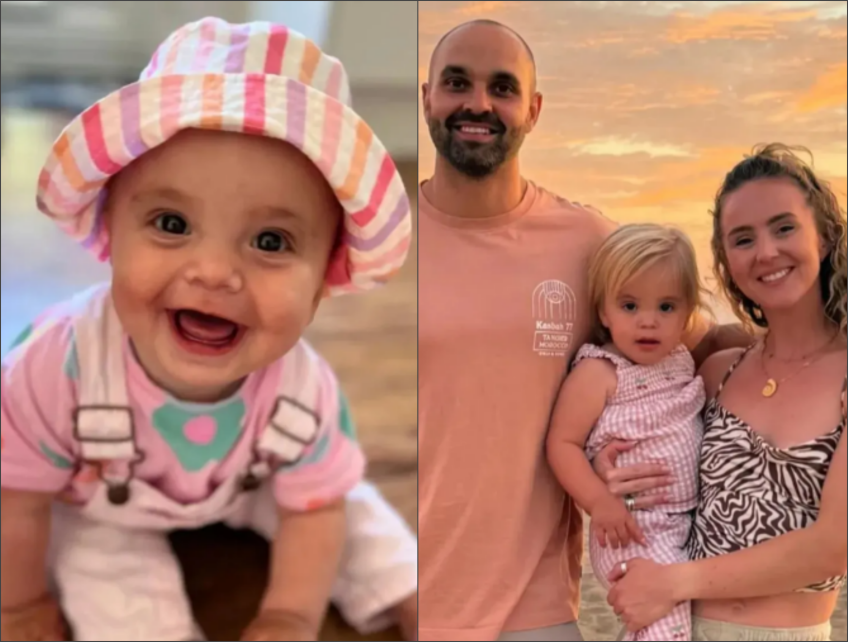
A heartbroken mother has opened up about the unimaginable decision to terminate her pregnancy after discovering her unborn baby had the same rare and fatal condition as her young daughter.
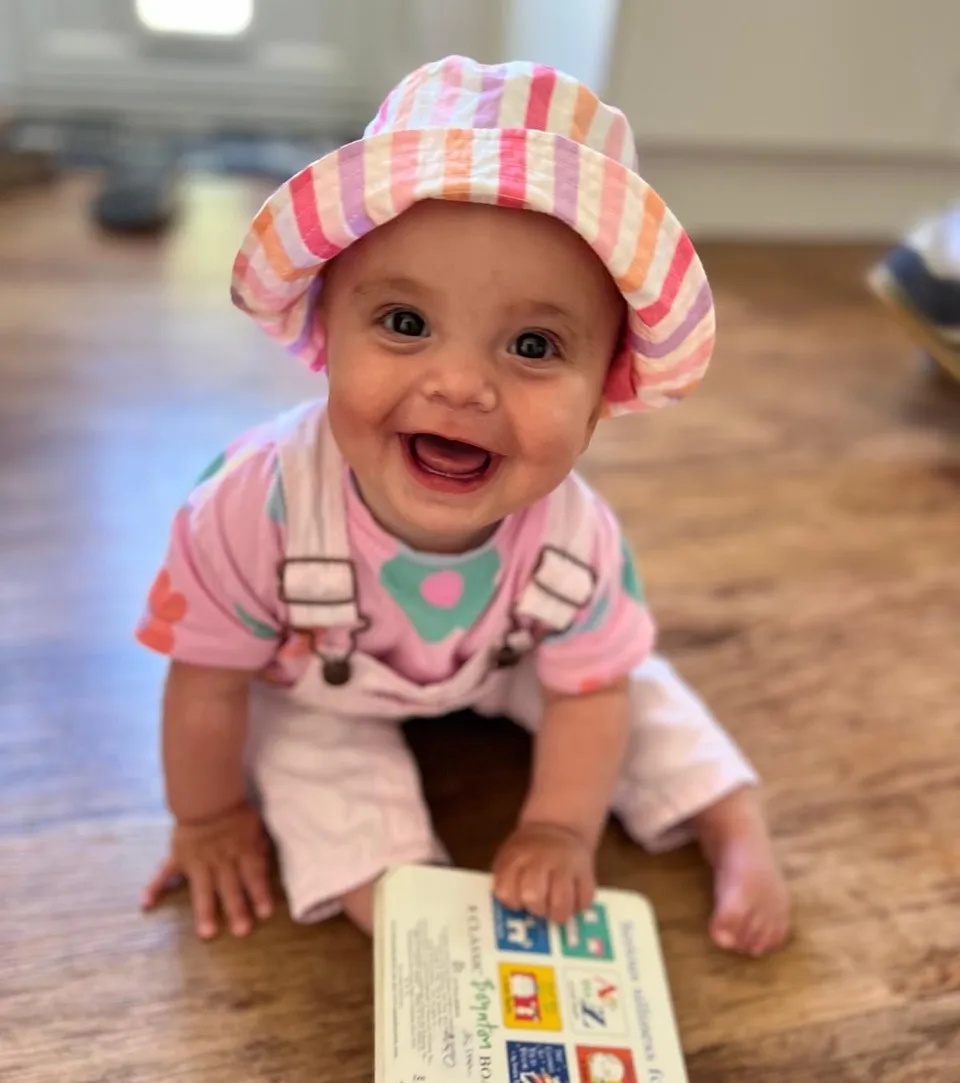
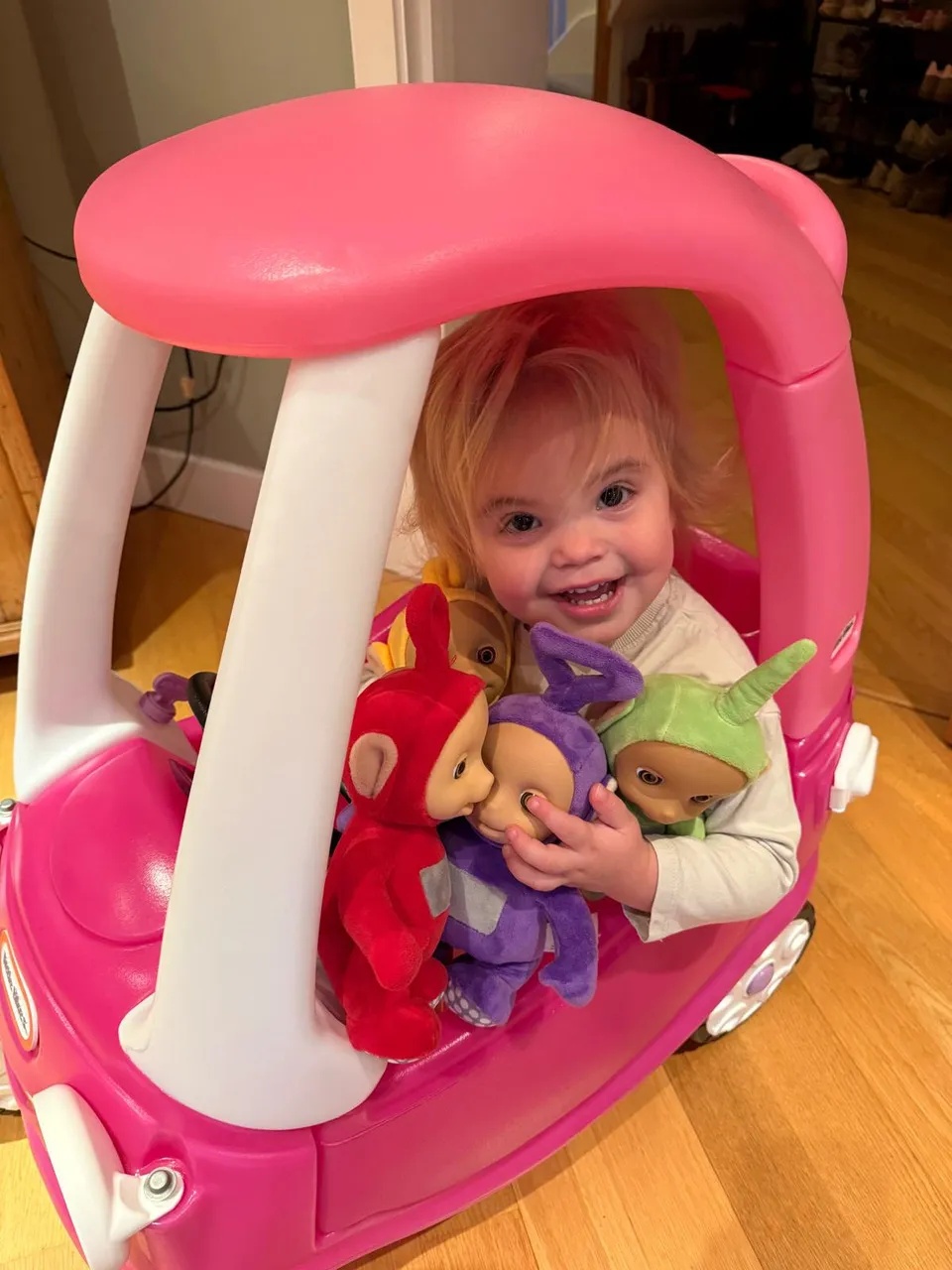
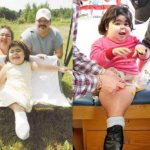
Her daughter, Leni Forrester, now two years old, was born appearing perfectly healthy. But at around 18 months, a relative’s genetic test revealed the family carried a recessive gene linked to Sanfilippo Syndrome, a devastating disorder often described as childhood dementia. Subtle signs—like speech delay, hearing issues, and distinctive facial features—raised concerns, prompting both parents to get tested. Although the father initially tested negative, the result was later found to be incorrect.
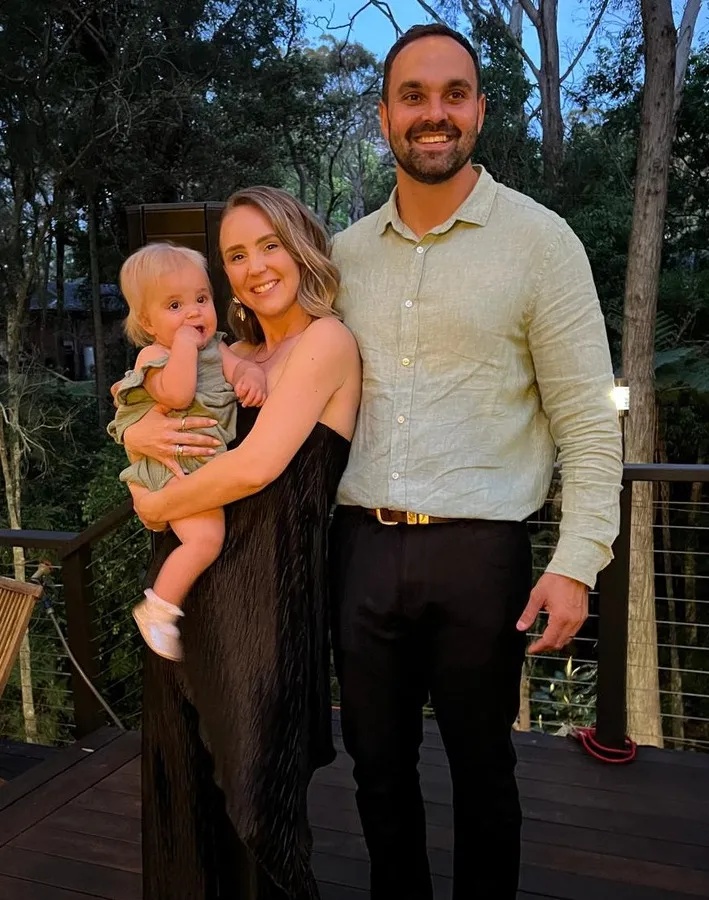
In October 2025, Leni was diagnosed with the condition. Just two weeks later, her mother discovered she was pregnant again. What should have been a moment of joy quickly became a period of anxiety and uncertainty. For three months, she carried the baby while waiting for prenatal genetic testing, knowing there was a chance the child could also inherit the disease.
“We knew this pregnancy would either be the very best or the very worst possible news,” she said. “We tried not to get our hopes up… but we couldn’t help clinging onto that hope.”

Tragically, tests confirmed the unborn baby also had Sanfilippo Syndrome. With no cure, no effective treatment, and a devastating prognosis that would lead to severe neurological decline, the family made the agonizing decision to end the pregnancy shortly before Christmas.
“With no treatment options, no cure, and such a catastrophic outlook… how could we knowingly bring another child into the world with this condition?” the mother shared. “It was the most heartbreaking and difficult decision we have ever had to make… but deep down, we knew there was no other choice.”
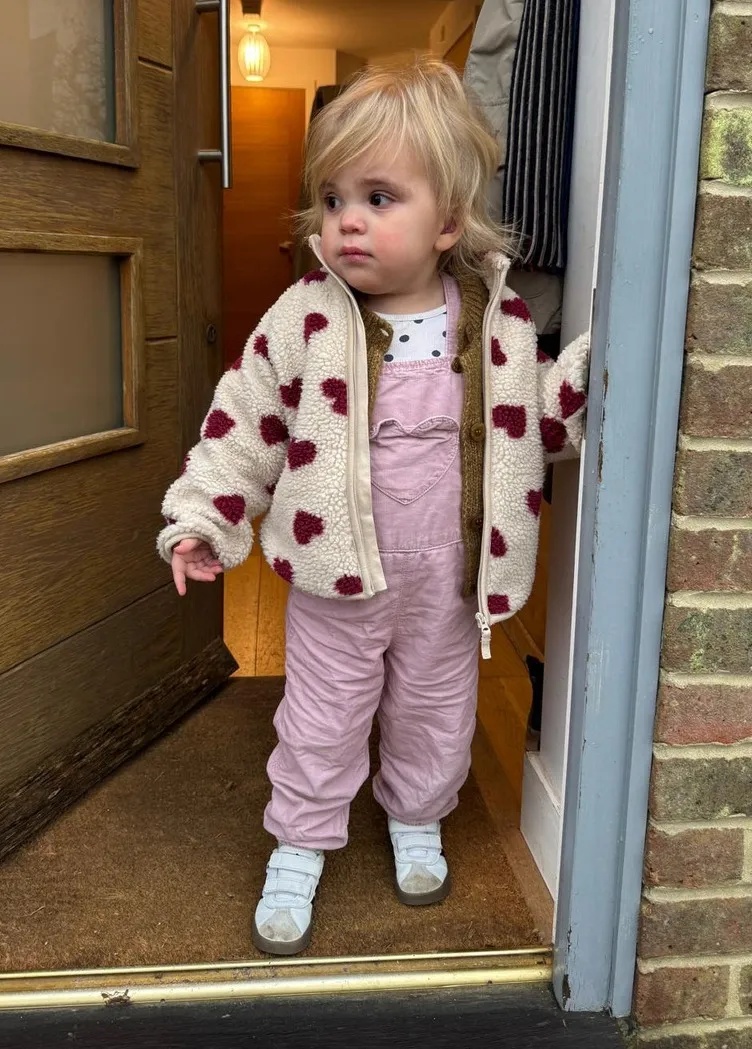
Sanfilippo Syndrome is an extremely rare genetic disorder affecting roughly one in 70,000 births. It prevents the body from breaking down certain molecules, leading to toxic buildup that progressively damages the brain. Children often seem normal in early years, but by around age three, they begin to lose the ability to talk, walk, eat, and eventually survive.
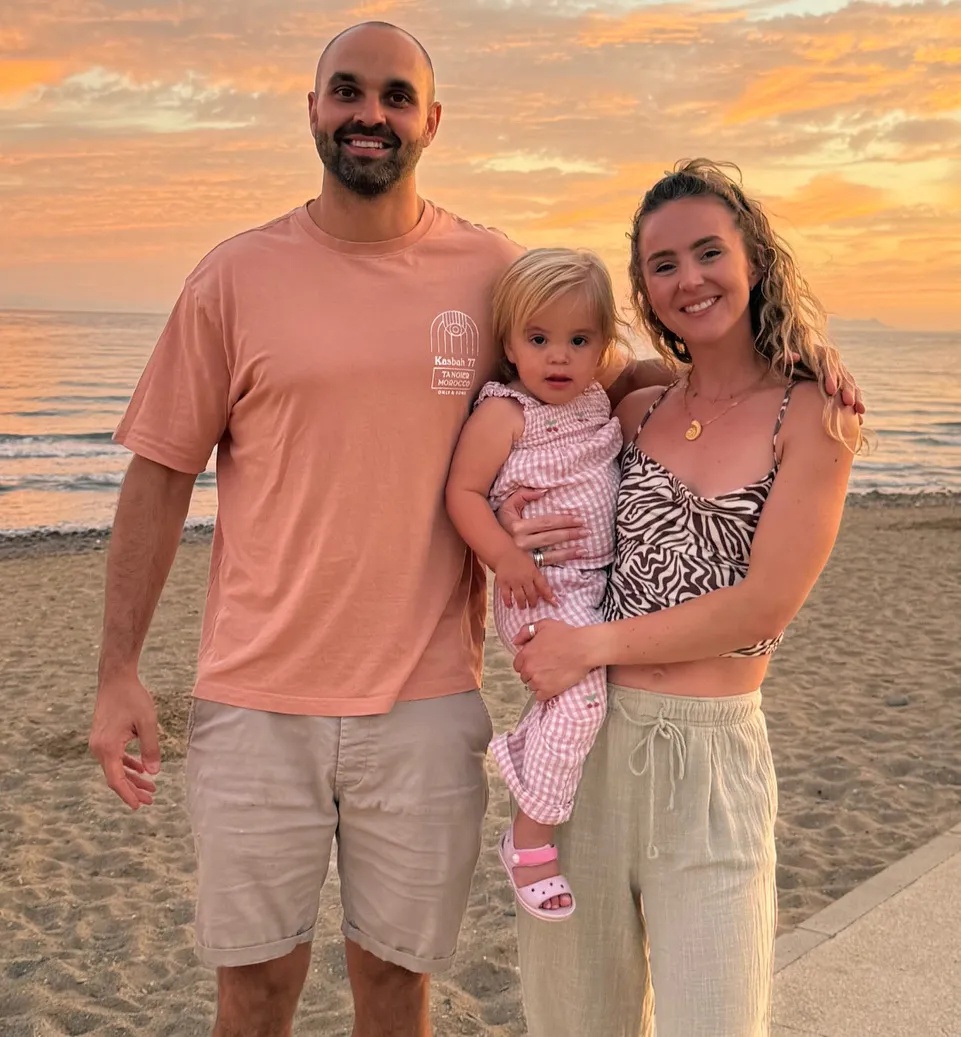
Describing the moment she learned of Leni’s diagnosis, the mother said: “It was the worst phone call any parent can imagine… looking at our perfect, happy little girl, it was impossible to comprehend something so catastrophic was happening.”
Despite the overwhelming grief, the family is now focused on fighting for Leni’s future. They have launched a fundraising campaign in hopes of accessing an upcoming clinical trial in the United States that could slow the disease’s progression.
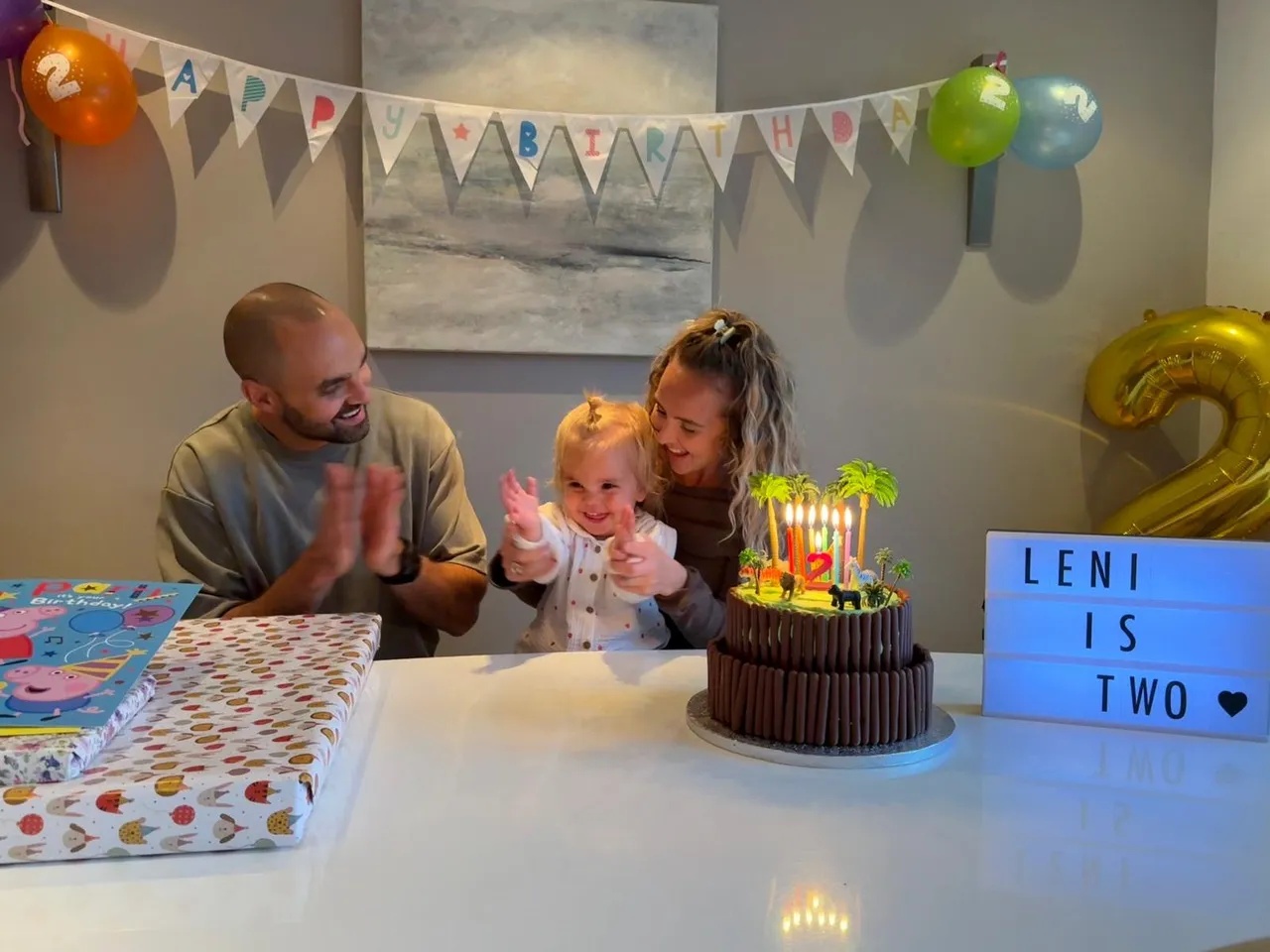
“Time is working against us,” she said. “The difference between getting treatment now or a year later could mean everything.”
At the same time, they are determined to cherish every moment with their daughter—described as “a bundle of energy” and “pure sunshine”—creating memories, traveling, and celebrating her life while they still can.