DIAGNOSED WITH ENCEPHALOCELE BEFORE BIRTH, LITTLE FAITH DEFIED THE ODDS AND IS NOW THRIVING AGAINST ALL EXPECTATIONS
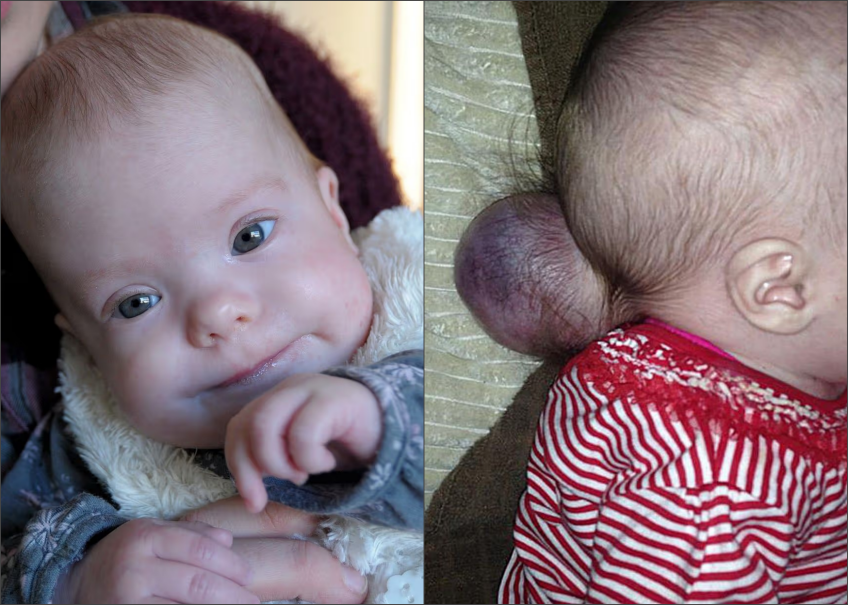
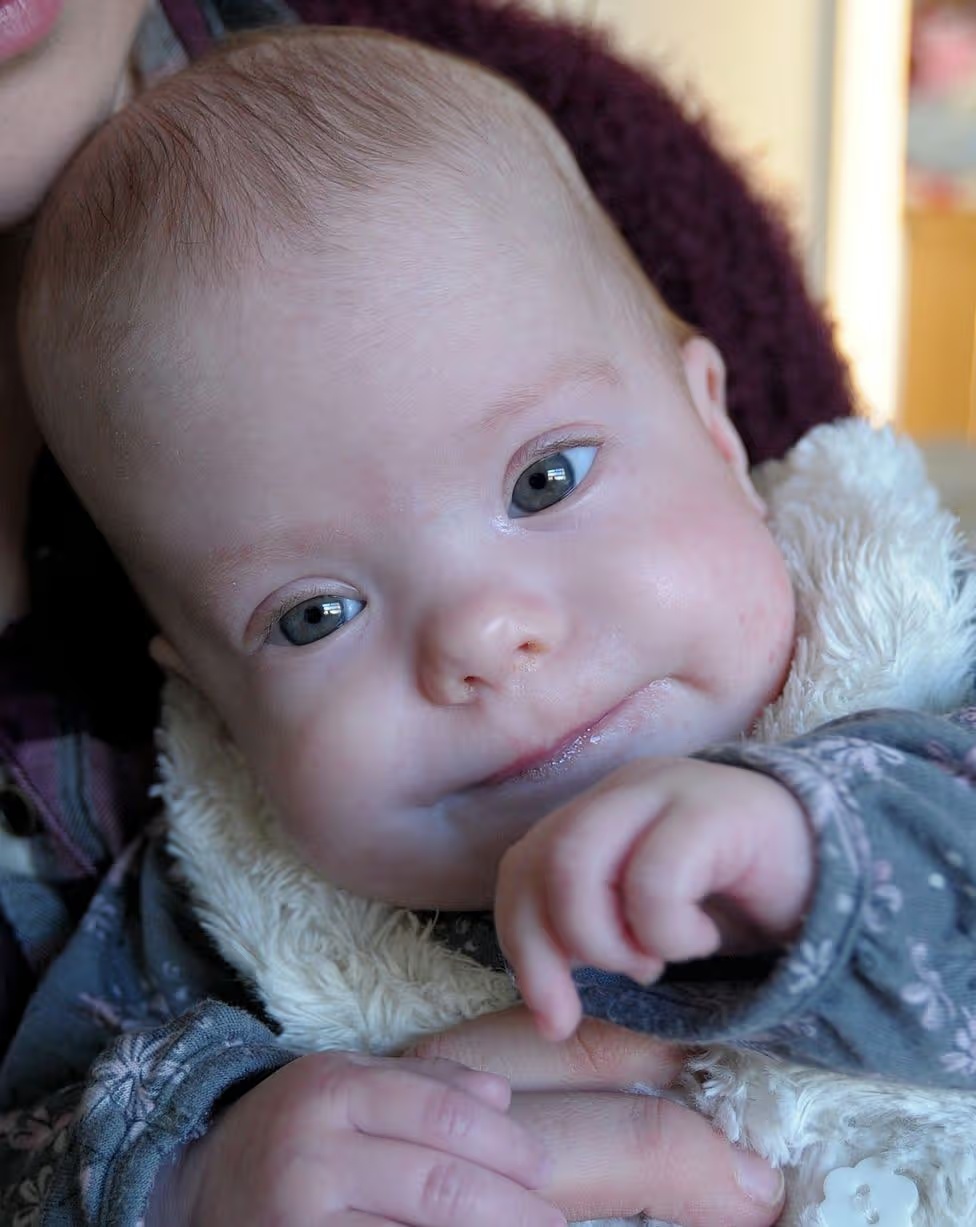
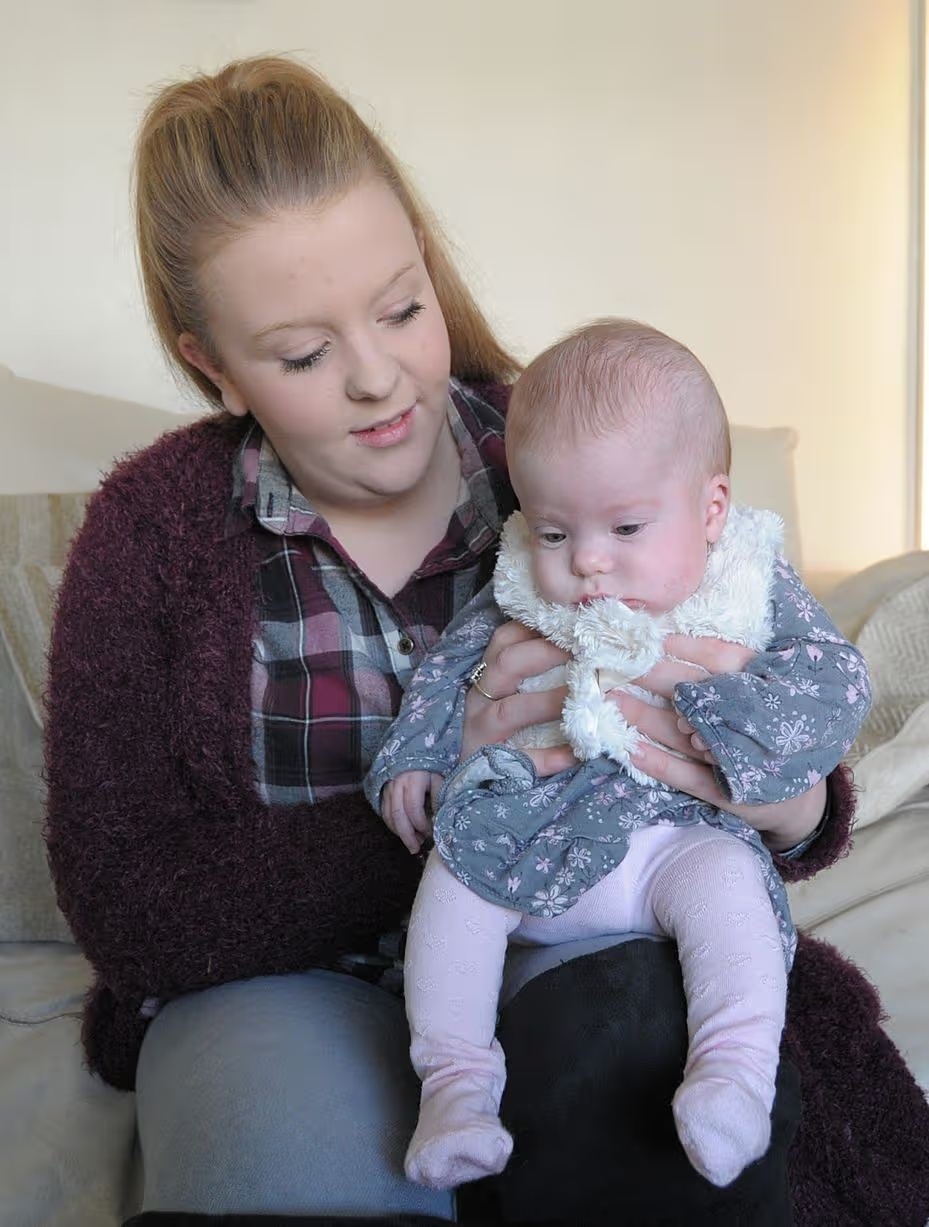
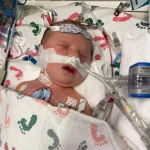
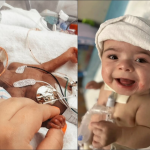
A British baby girl, born with part of her brain outside her skull, is thriving despite doctors initially saying her chances of survival were very low.

While still in the womb, Faith Martin was diagnosed as unlikely to survive. Her parents, Aaron Martin, 21, and Jessica Williams, 20, were devastated by the difficult news.
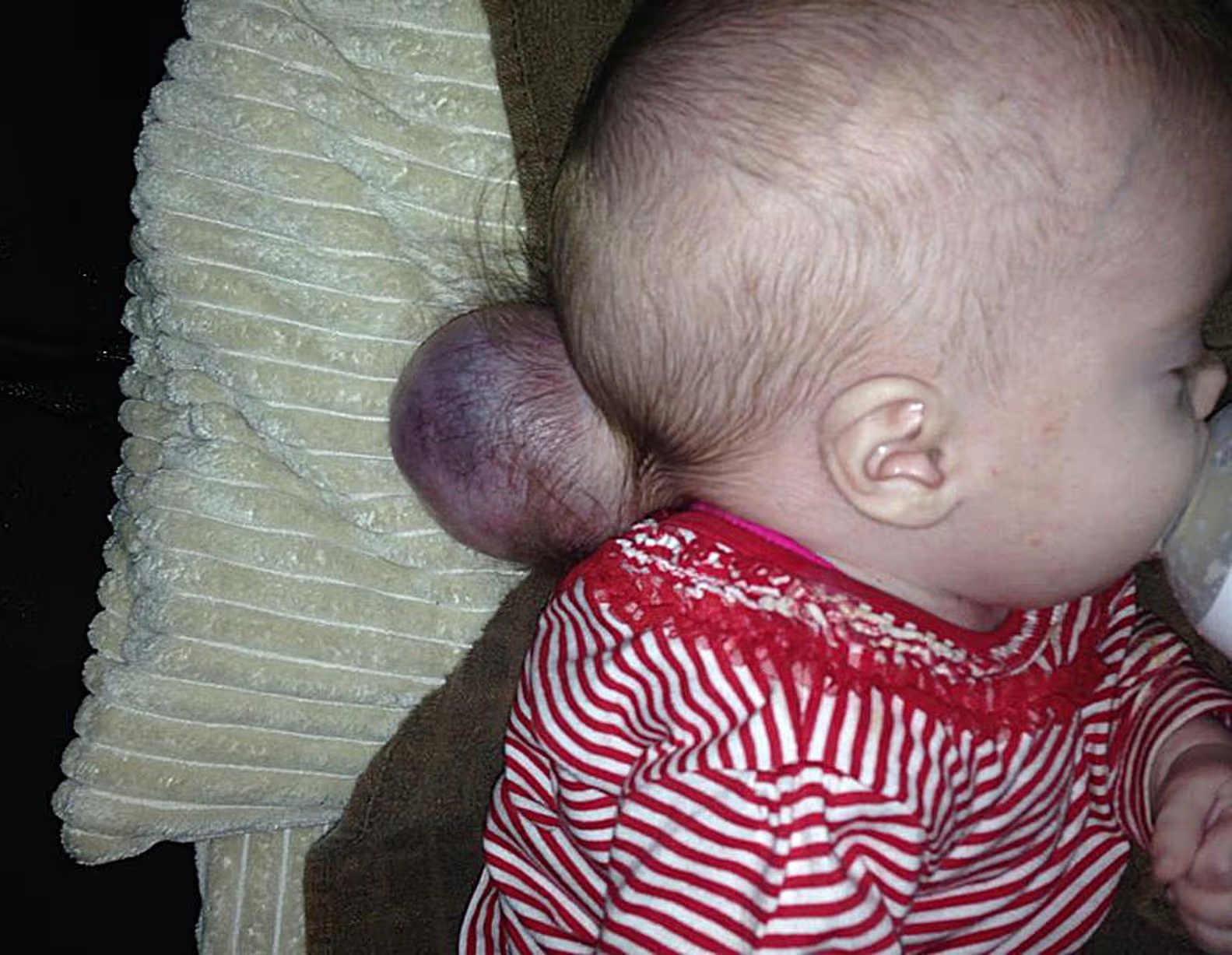
During a 17-week ultrasound at James Cook University Hospital, doctors discovered the fetus had a rare neurological condition called encephalocele. (Encephalocele is a condition where the skull doesn’t close completely, creating a gap through which brain tissue, cerebrospinal fluid, and meninges protrude like a pouch.)
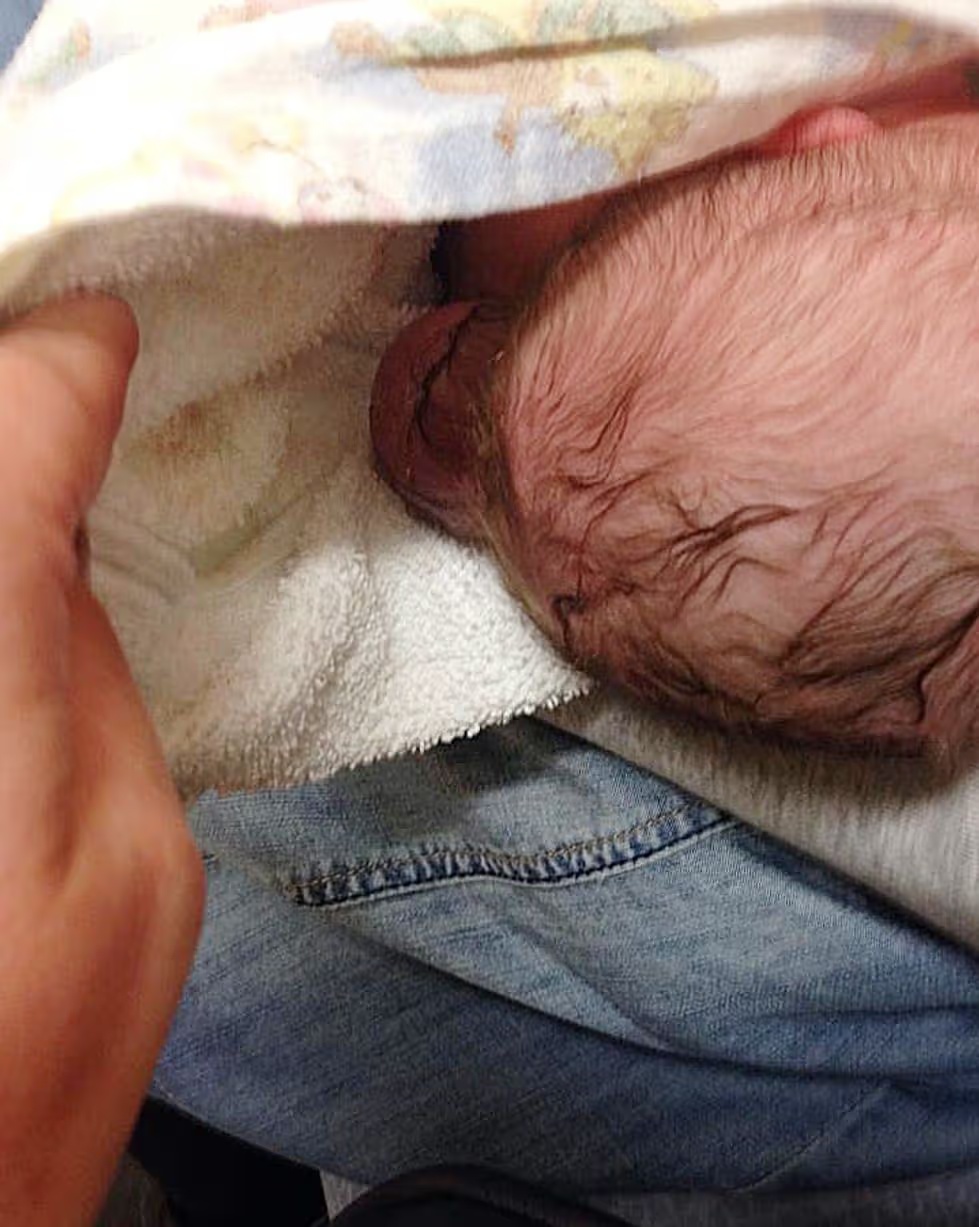
Children with encephalocele often have a low survival rate or experience neurological challenges, leading many parents to make an incredibly difficult decision.
Ms. Williams recounted that medical staff informed her that the part of the brain controlling the fetus’s breathing was affected, and most children with this condition do not survive due to breathing difficulties.
However, when faced with the decision at that time, Ms. Williams shared that she would not give up even if there was any glimmer of hope for her daughter’s life. Faith Martin’s parents then sought help at the Royal Victoria Hospital hoping to support their daughter. Ms. Williams decided on a Cesarean section to avoid further complications to the exposed brain area. After the successful delivery, Faith Martin was regularly taken to the hospital by her parents for check-ups.

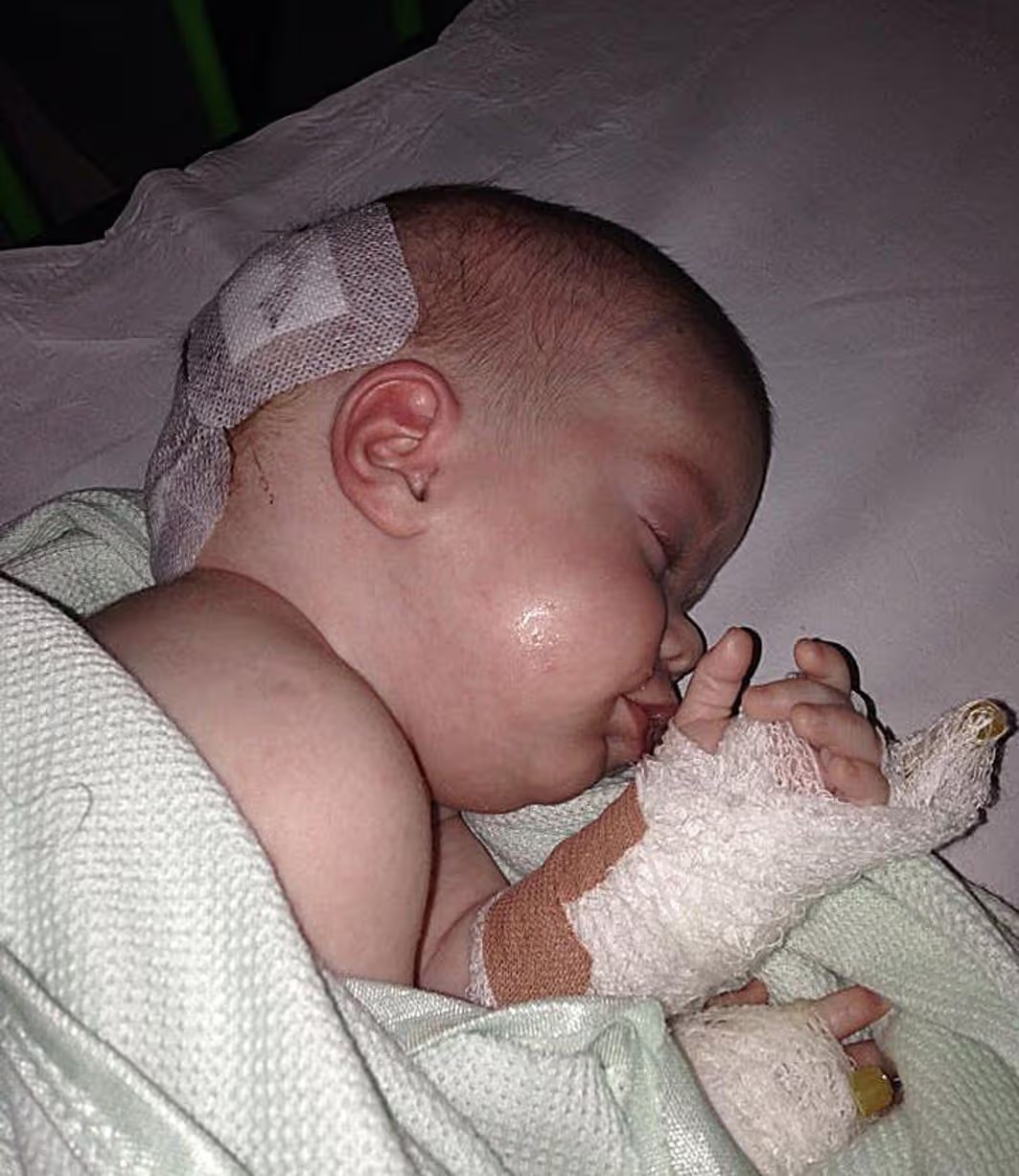
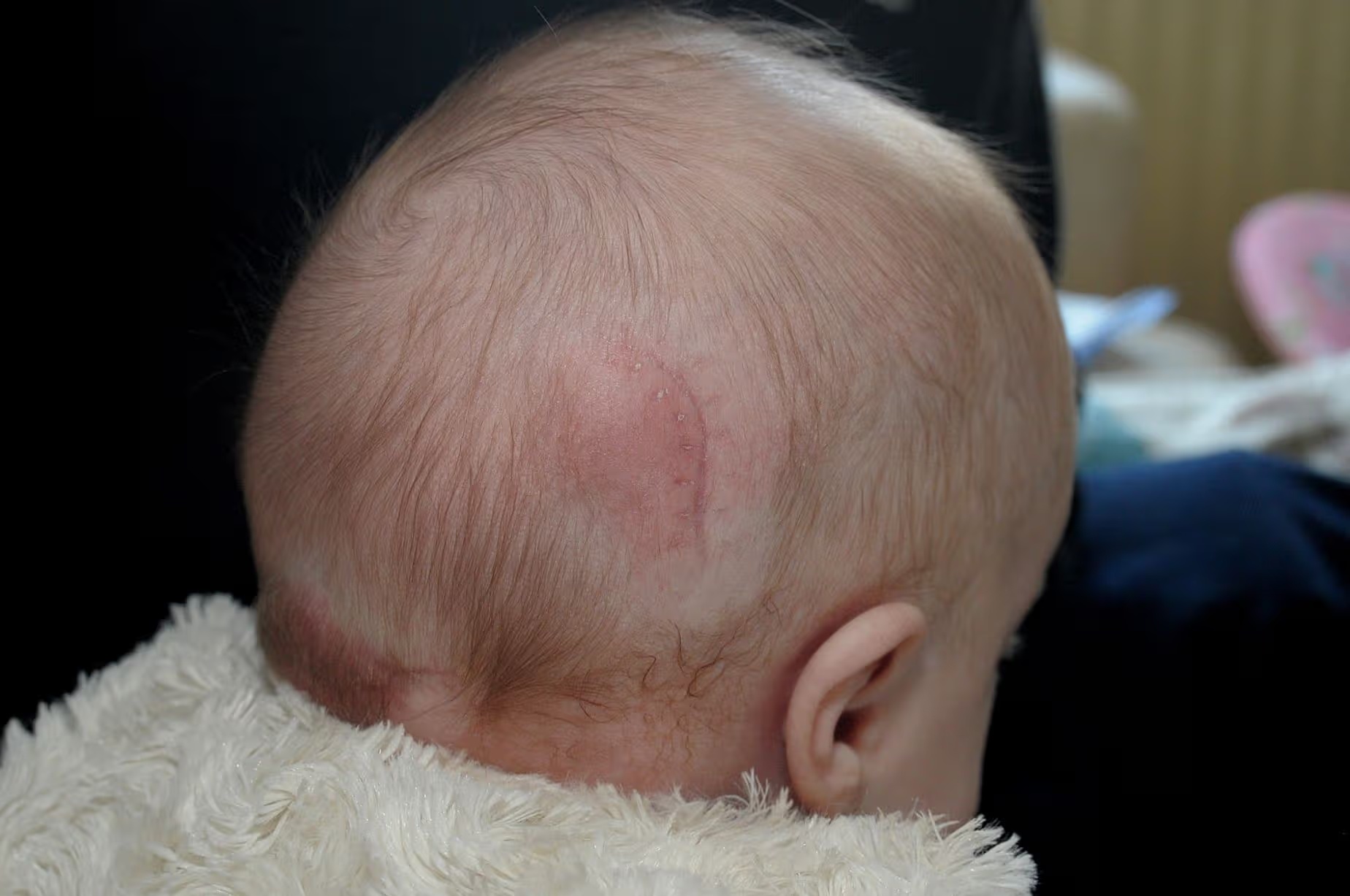
When she was three months old, doctors at the hospital performed surgery to remove the extra brain tissue. The procedure was successful, and now the little girl only needs to visit the hospital every six months for check-ups to ensure her healthy development. Ms. Williams happily said, “We’re going home together and she’s doing great. Faith Martin has been doing very well over the past three months and she’ll be able to live a normal life like other children.”