A BABY BORN WITH TWO FACES AND ONE BODY THIS EXTREMELY RARE CONDITION LEFT DOCTORS WITH NO EASY ANSWERS
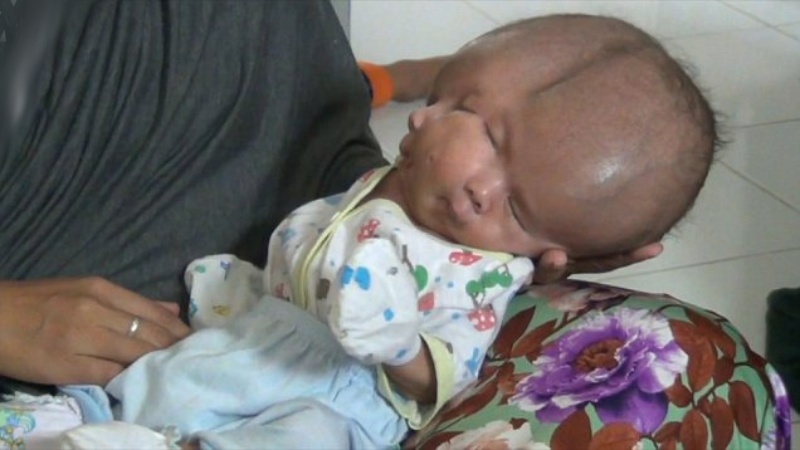
Conjoined twins are already rare, but this phenomenon is even rarer, with an incidence rate of only 1 in 2.5 million cases.
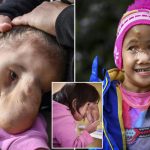
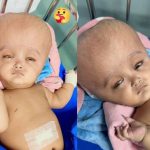
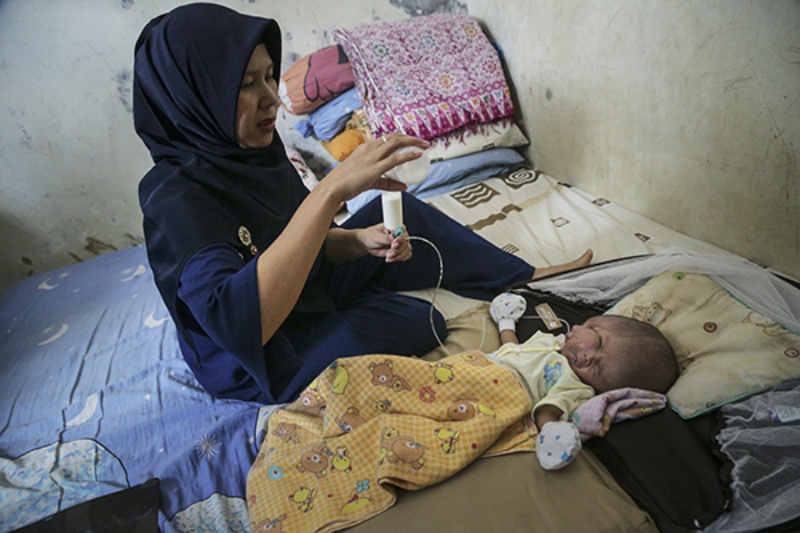
The medical community has recorded an extremely rare case in Indonesia. Gilang Andika, a 2-month-old boy from Batam (Indonesia), was born with two faces and two brains, but only one skull in the same body.
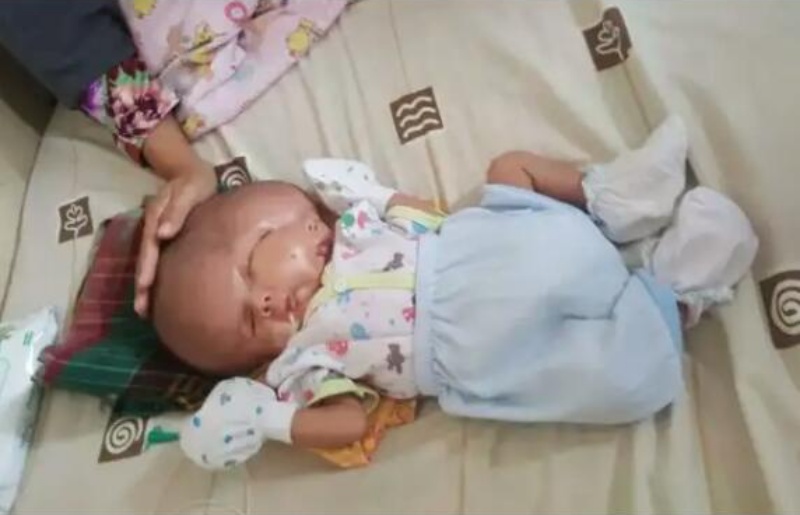
According to Ernilasari, Andika’s mother, she didn’t notice anything unusual before Andika was born. Doctors at Chamata Sahidiya Panbil Hospital performed three ultrasounds, but found nothing abnormal.
And as if that weren’t enough, Andika was also born with other serious health complications, most notably hydrocephalus. This condition places significant pressure on the brain, increasing the risk of seizures later in life and affecting learning abilities. It can also impact hearing, memory, speech, and motor skills.
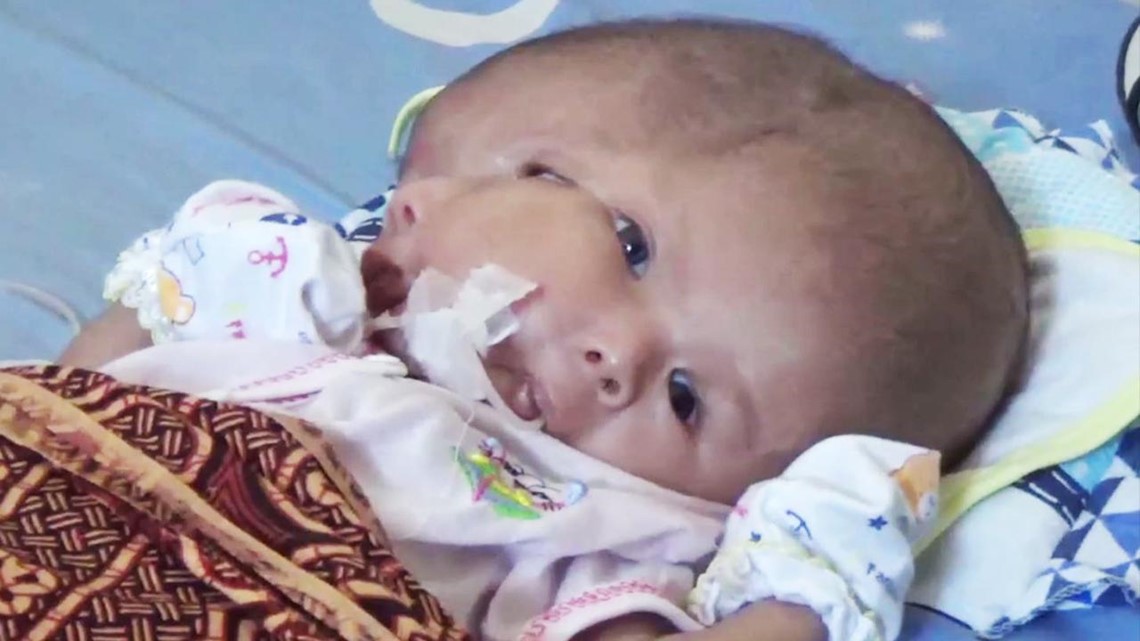
Currently, the boy’s parents are hoping that doctors can find a way to help. Unfortunately, this is a case where even significant financial resources may not be enough.
To treat Andika, a highly complex surgery would be required to remove one side of the brain, one side of the face, and part of the skull. However, according to the latest reports, doctors are not able to perform this procedure.
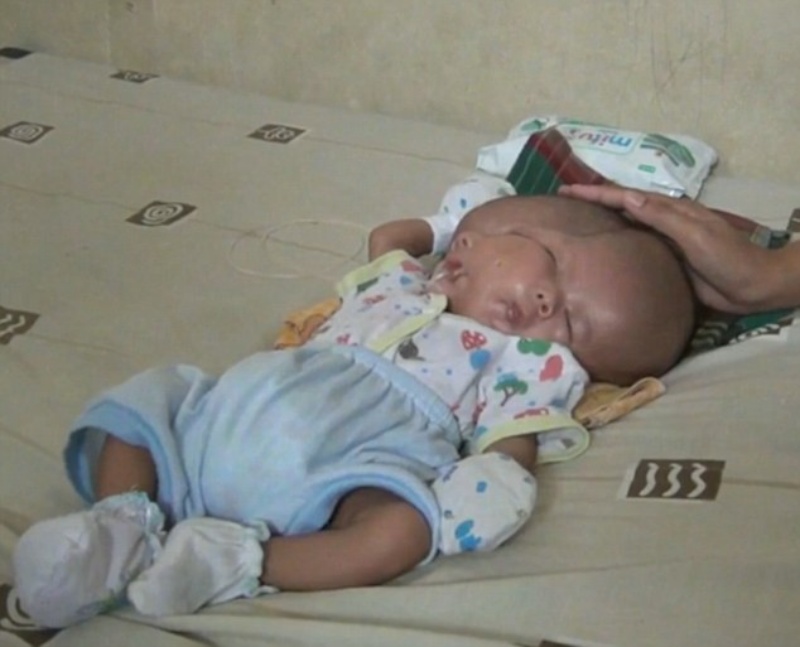
What happened to Andika?
Many people can probably guess. The boy was born with a rare condition related to conjoined twins – a situation where the egg does not fully separate during development. While this is already uncommon, a baby born with two faces (also known as diprosopus) and a shared brain is even more unusual.
According to WHO records, before 2014, only 35 cases of diprosopus had been recorded in all of human history, a rate of approximately 1 in 2.5 million births. That alone shows how rare this phenomenon is.
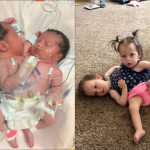
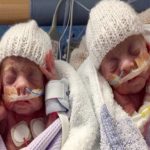
One well-known case of diprosopus was that of twins Hope and Faith Howie in Sydney, Australia, in 2014. The twins lived for 19 days, and during that short time, their parents noticed that their daughters’ faces showed different traits. Hope preferred to sleep, while Faith cried more often.