CONJOINED AT THE 𝚂𝙺𝚄𝙻𝙻, THESE RARE TWIN SISTERS DEFIED THE ODDS AFTER A GROUNDBREAKING AI-ASSISTED SURGERY GAVE THEM A BRAND NEW FUTURE
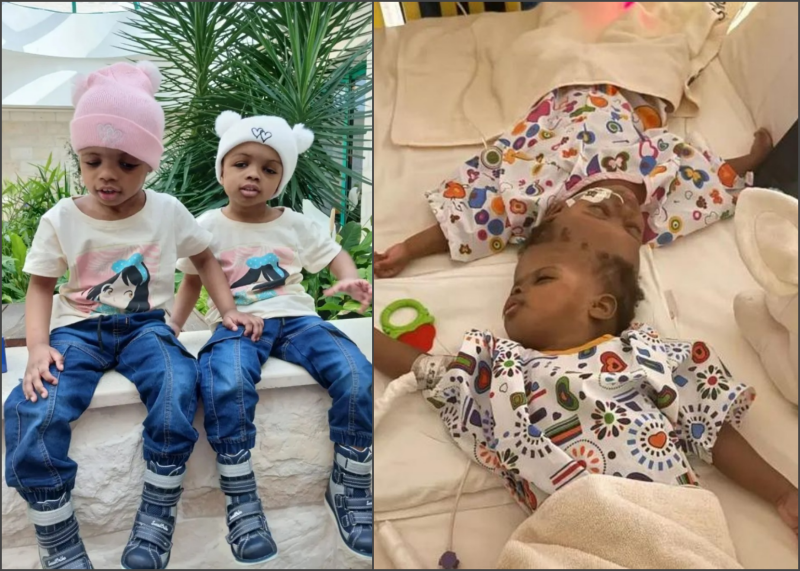
Twin sisters who spent the first 19 months of their lives joined at the skull were successfully separated in a remarkable series of AI-assisted surgeries — and are now happy, thriving toddlers celebrating their third birthday.
Mercy and Goodness were born in Nigeria’s Ekiti State in June with fused skulls, shared brain tissue and shared blood vessels, according to Gemini Untwined, the UK charity dedicated to helping craniopagus twins.
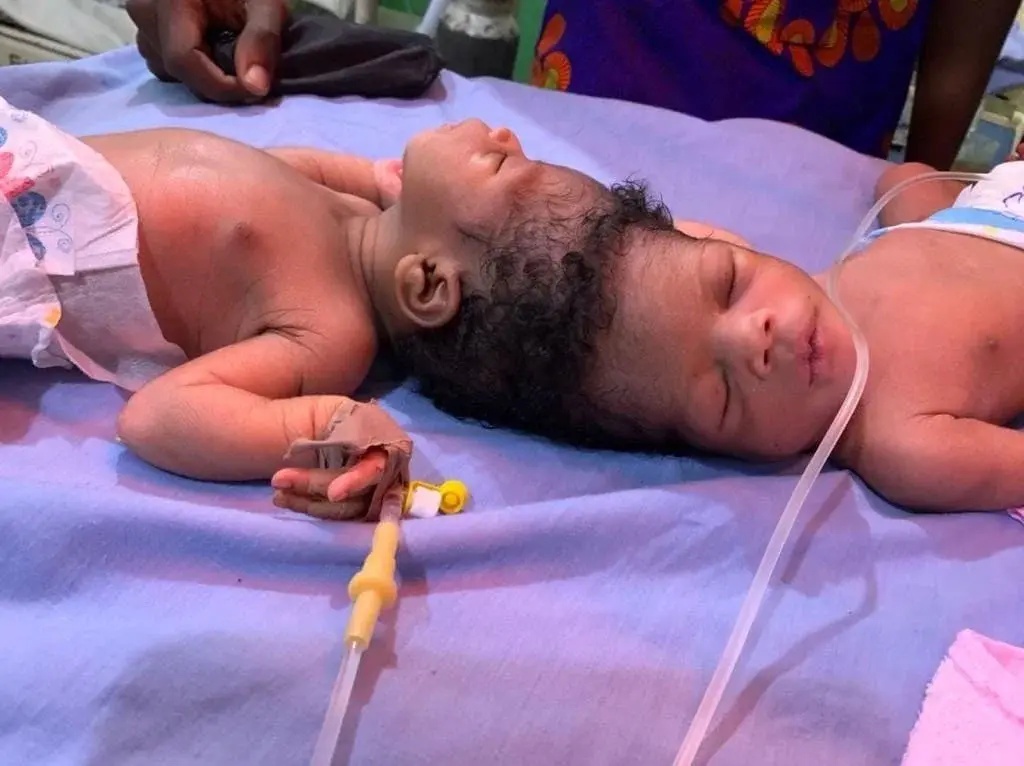
At six months old, the twins were referred to Professor Noor ul Owase Jeelani, a pediatric neurosurgeon at London’s Great Ormond Street Hospital and founder of the charity.
Jeelani arranged for the twins and their parents to travel to the UK, with the organization covering the full cost of their treatment.
What followed was one of the most complex surgical journeys in modern medicine.
The separation required four meticulously planned procedures over four months, totaling 40 hours in the operating room.
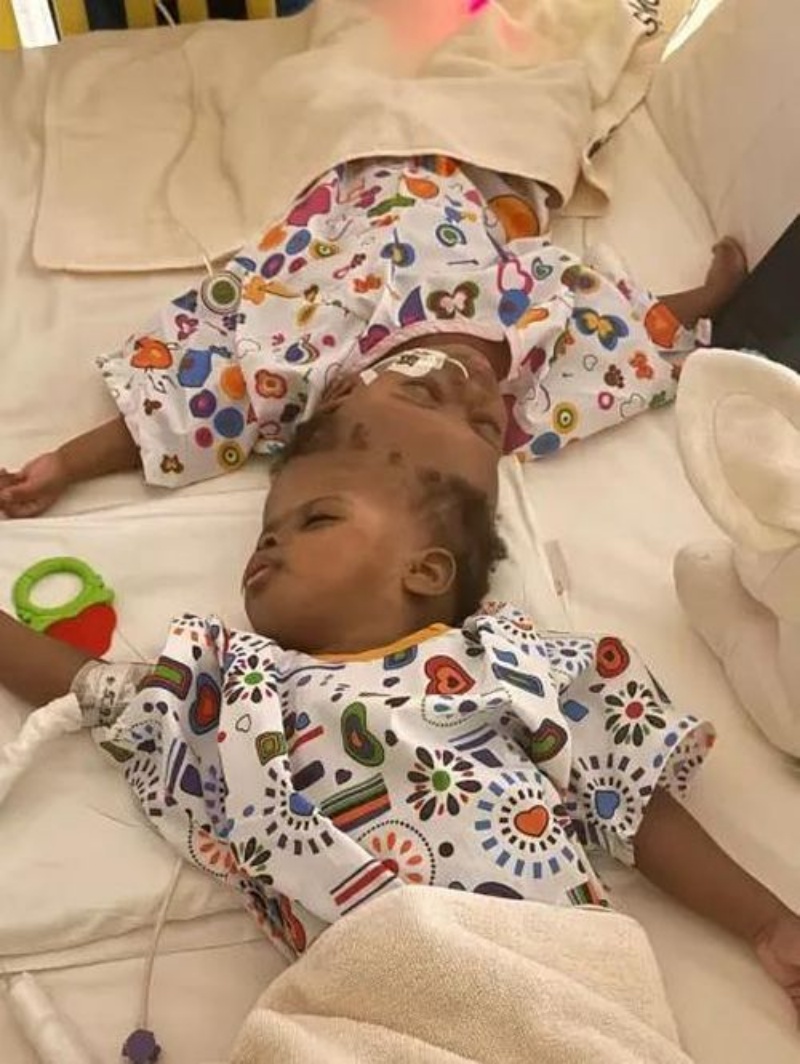
More than 60 healthcare professionals from 20 countries spent months preparing, using artificial intelligence, virtual reality, 3D modeling and augmented reality to map every shared blood vessel and area of interconnected brain tissue.
The final 12-hour surgery to separate the sisters took place at Sheikh Khalifa Medical City in Abu Dhabi and was led by Professor Jeelani, assisted by 12 other leading surgeons.
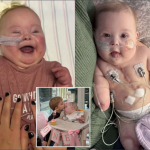
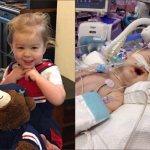
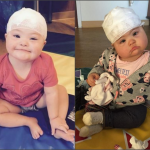
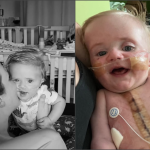
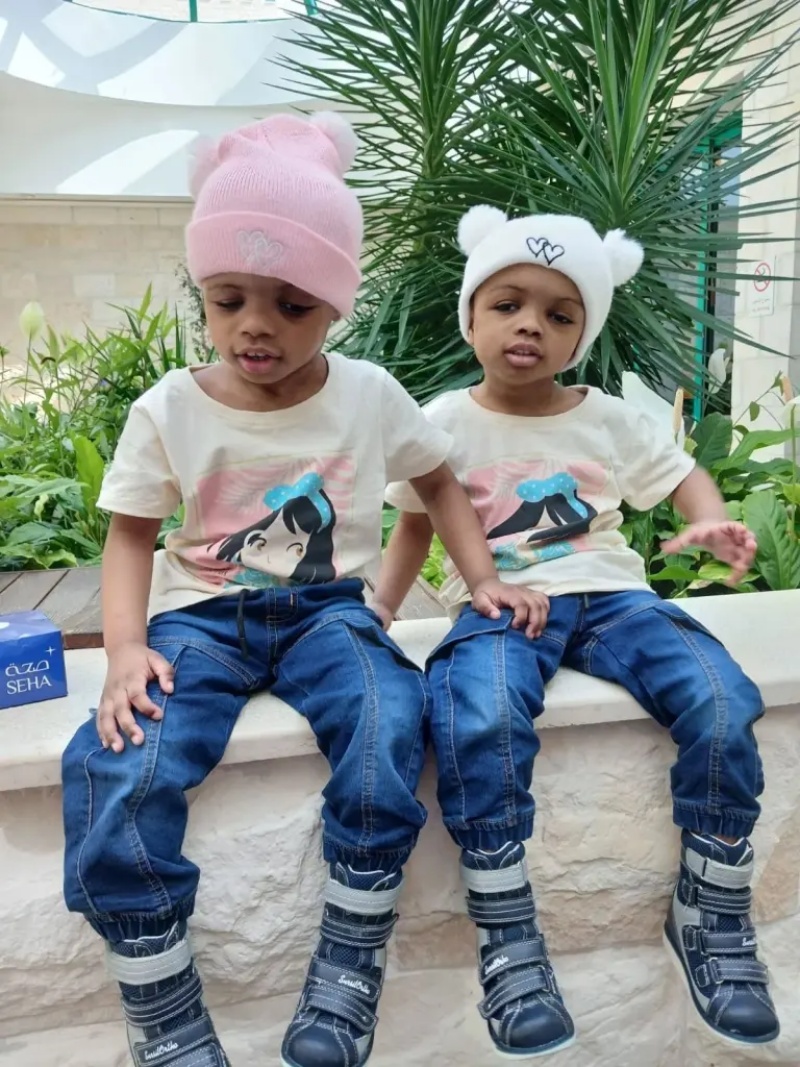
Against all expectations, the girls not only came through the surgeries successfully but made excellent recoveries and are now celebrating their third birthday with their family in Nigeria.
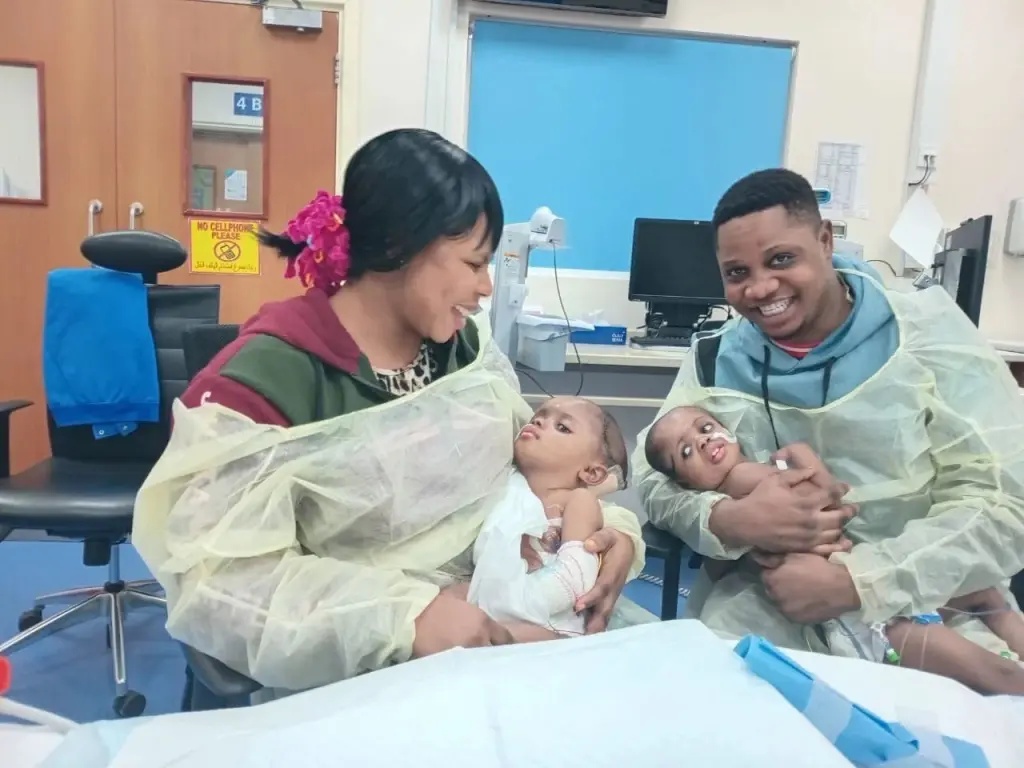
The organisation is the only charity in the world dedicated solely to treating craniopagus twins and has now successfully completed nine such separations.
“The separation of Goodness and Mercy is a landmark case planned and carried out with a level of precision not encountered before,” Professor Jeelani told the BBC.
“Building on the experience of our previous eight cases, and using innovative techniques and strategies, we were able to give these girls and their family a new future.”
Craniopagus twins are extremely rare, with only about 5% of conjoined twins being joined at the top of the head.
According to Great Ormond Street Hospital in London, they occur in approximately one out of every 2.5 million births.
Around 40% are born without signs of life or do not survive delivery, while another third pass away within the first 24 hours after birth.
Source: New York Post