DID YOU KNOW? LIAM WAS BORN WITH BOTH OMPHALOCELE AND A RARE DIAPHRAGM CONDITION, DEFYING THE ODDS WITH EVERY MILESTONE
When Liam’s parents learned his name at just 10 weeks of pregnancy, they thought they were simply eager first-time parents who could not wait for the 20-week scan to learn their baby’s gender.
They could not have imagined that the name Liam, which means “strong-willed warrior” and became their symbol of hope, would carry them through one of the most difficult journeys of their lives.
The turning point came during his mother’s 28th birthday anatomy scan. What should have been a joyful moment quickly became filled with concern when the ultrasound technician fell unusually quiet.
Soon after, the couple was told that Liam had an abnormal abdomen and was referred to a Children’s Hospital for further testing.
After an MRI, echocardiogram, and detailed ultrasound, specialists delivered devastating news: Liam had been diagnosed with two major congenital conditions.
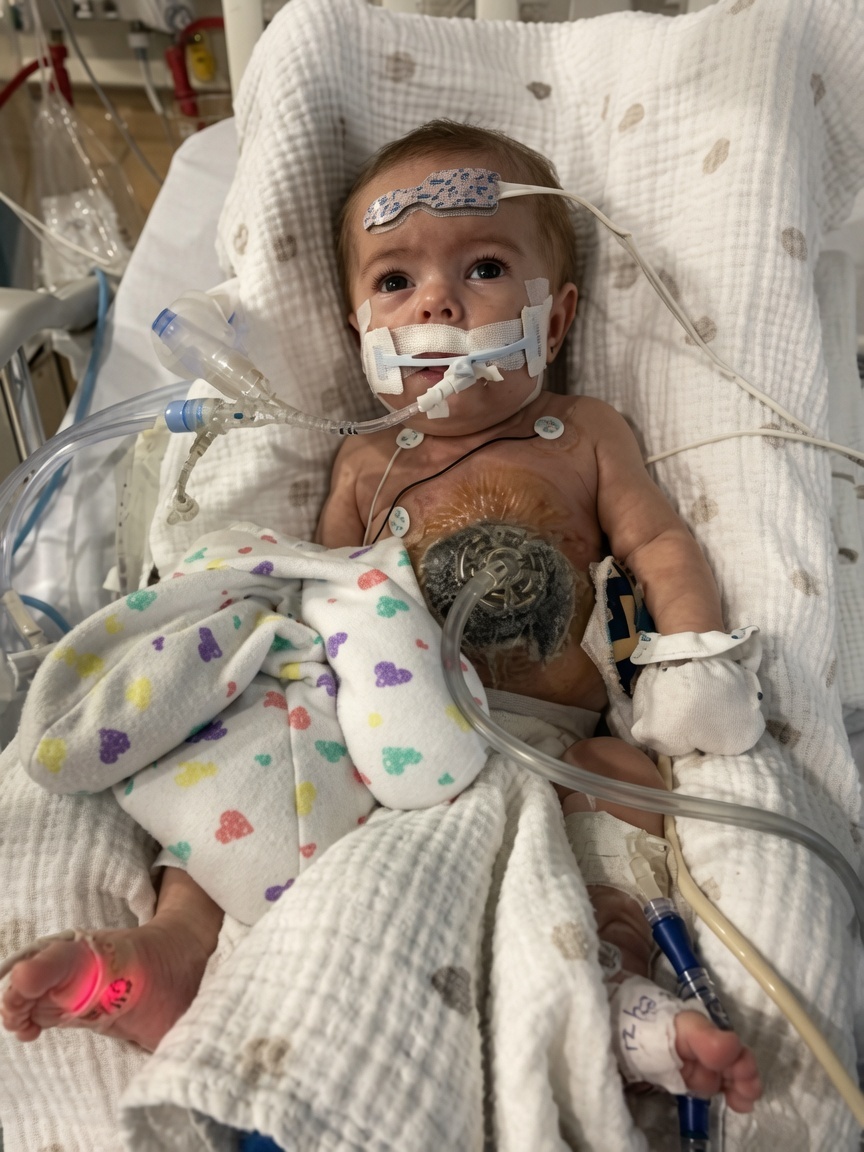
The first was omphalocele, a rare birth defect in which the abdominal wall does not close properly, causing organs such as the liver or intestines to remain outside the body in a protective sac.
The second was left-sided congenital diaphragmatic hernia (CDH), a serious condition in which a hole in the diaphragm allows abdominal organs to move into the chest cavity. In Liam’s case, his stomach, bowel, spleen, and part of his liver had shifted into his chest, putting pressure on his developing lungs and heart.
Together, these conditions created an extremely complex and high-risk situation. Liam was also measuring very small for his gestational age.
Overwhelmed by the diagnoses, his parents searched desperately for information. They struggled to find examples of children born with both omphalocele and CDH, leaving them feeling frightened and uncertain about Liam’s future.
Yet amid the fear, they found hope through an online support group. Another mother connected them with a family whose child had survived both conditions, giving them the encouragement they needed to keep fighting for Liam.
The family later sought a second opinion from Dr. David Kays at Johns Hopkins All Children’s Hospital in Florida. Dr. Kays was honest about the severity of Liam’s condition, but he also gave the family the words they had been longing to hear:
“We will do everything we possibly can to give Liam his best fighting chance.”
Believing this offered Liam his strongest chance of survival, the family made the difficult decision to relocate from Missouri to Florida.
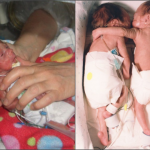
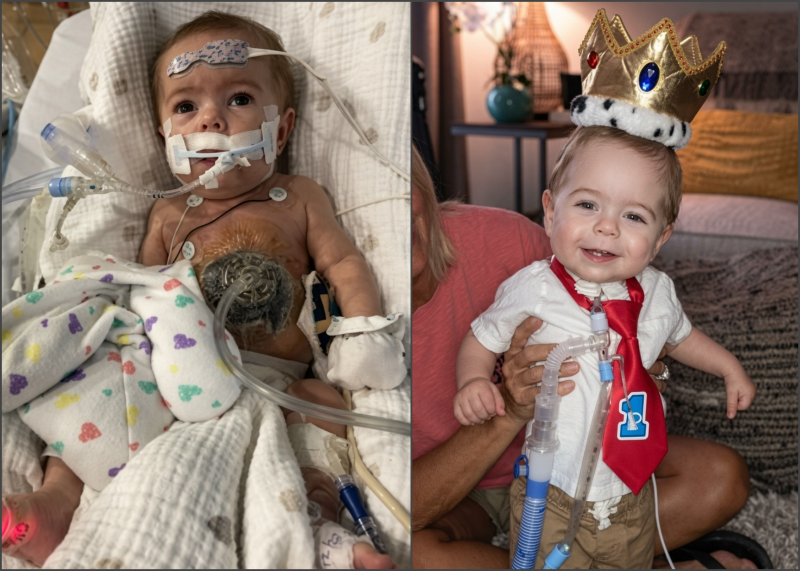
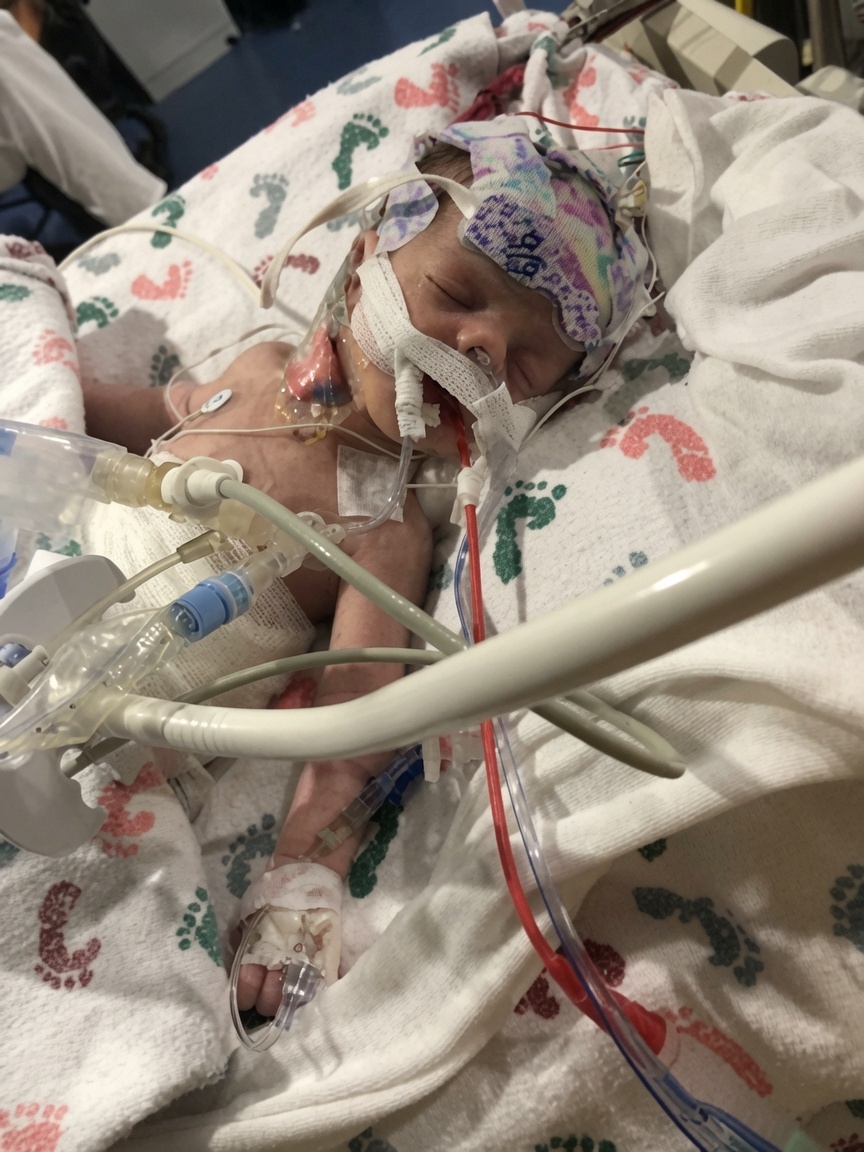
Liam was born by emergency C-section after a placental abruption. He was intubated immediately and rushed to intensive care. Within his first hour of life, he was placed on ECMO (Extracorporeal Membrane Oxygenation), a life-support system that temporarily takes over the work of the heart and lungs.
The next day, Liam underwent surgery to repair his CDH. Surgeons discovered that he had only about 1% of his diaphragm, making the repair especially challenging. He remained on ECMO for 23 days.
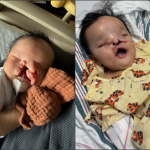
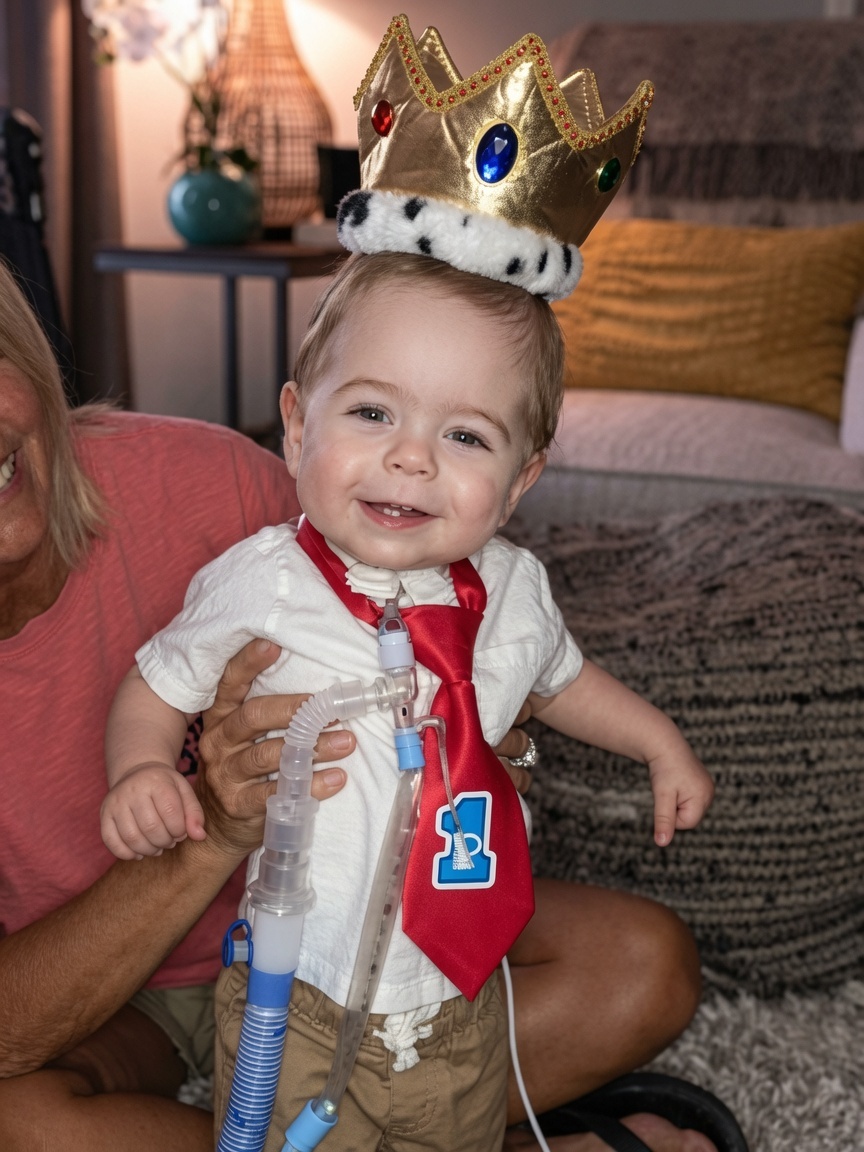
His first five months were filled with setbacks and remarkable resilience. Liam experienced multiple self-extubations, several failed attempts to remove his breathing tube, and four medical emergencies that required chest compressions. He later underwent a tracheostomy and was eventually discharged home with a ventilator, tracheostomy tube, feeding tube, and his omphalocele still awaiting repair.
Despite the extraordinary challenges, Liam’s parents say they would not change a single moment of their fight for him.
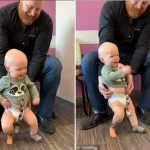
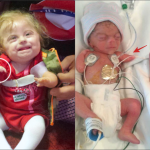
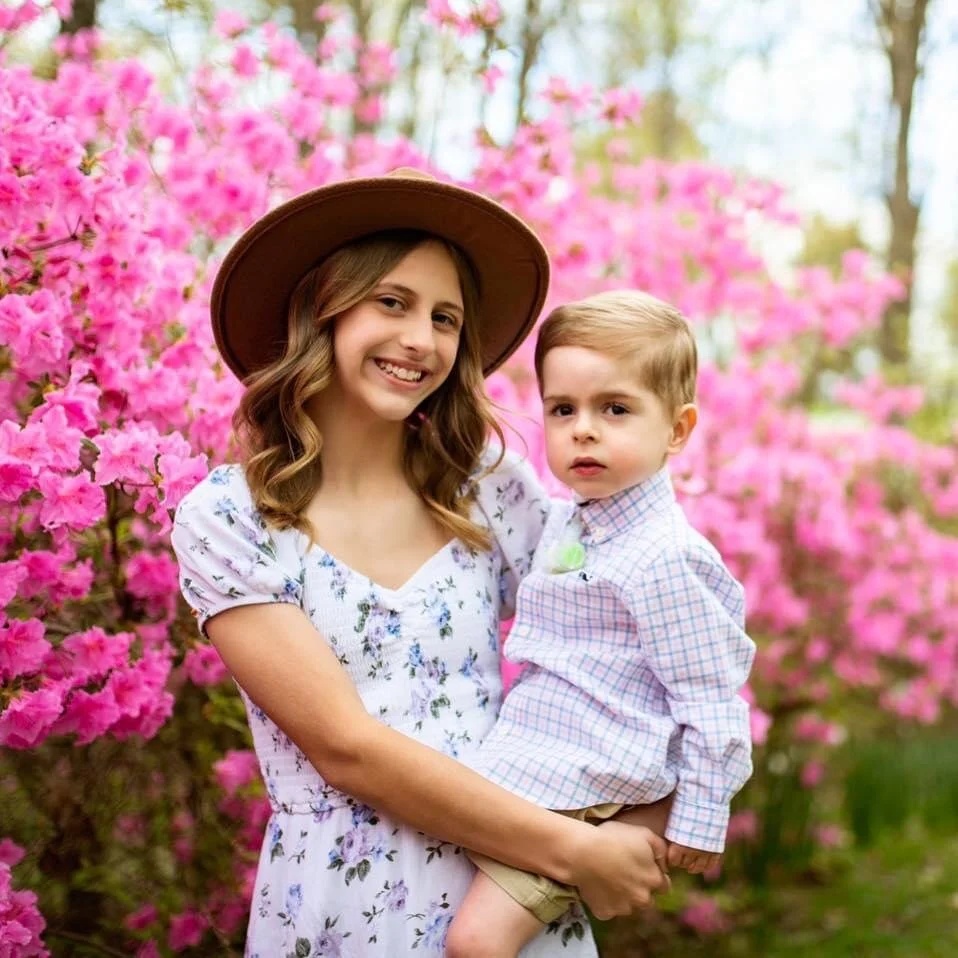
Today, Liam is a thriving and affectionate little boy. At 14 months old, he was described as living “as if he knows nothing ever happened to him,” full of joy and curiosity.
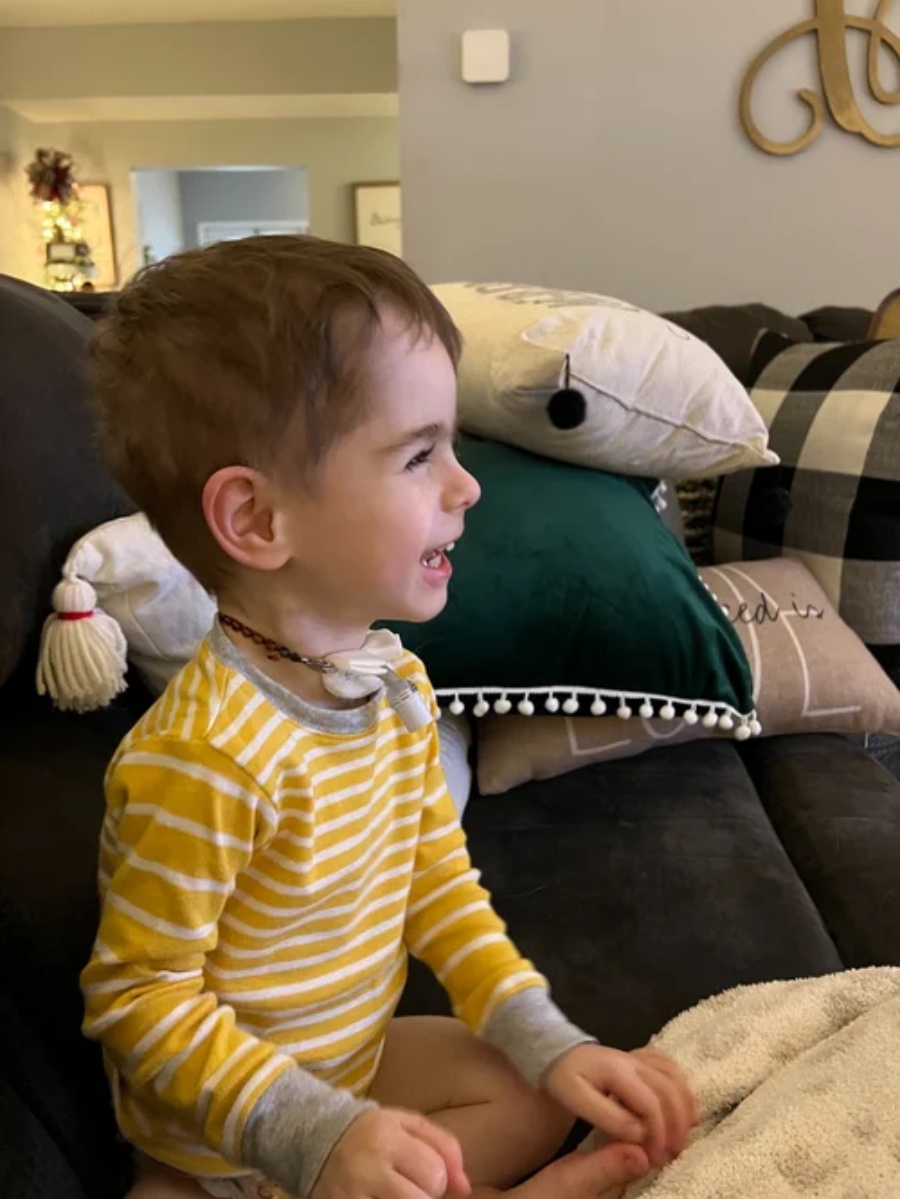
He has continued to make progress, attending school several days a week and preparing for additional surgeries, including procedures related to his airway and tonsils as part of the path toward tracheostomy decannulation.
Liam has also overcome further complications, including surgeries related to an infected surgical patch and a revision of his Nissen fundoplication, a procedure used to help manage severe reflux.
Through every challenge, his family says Liam’s cheerful spirit has remained constant.
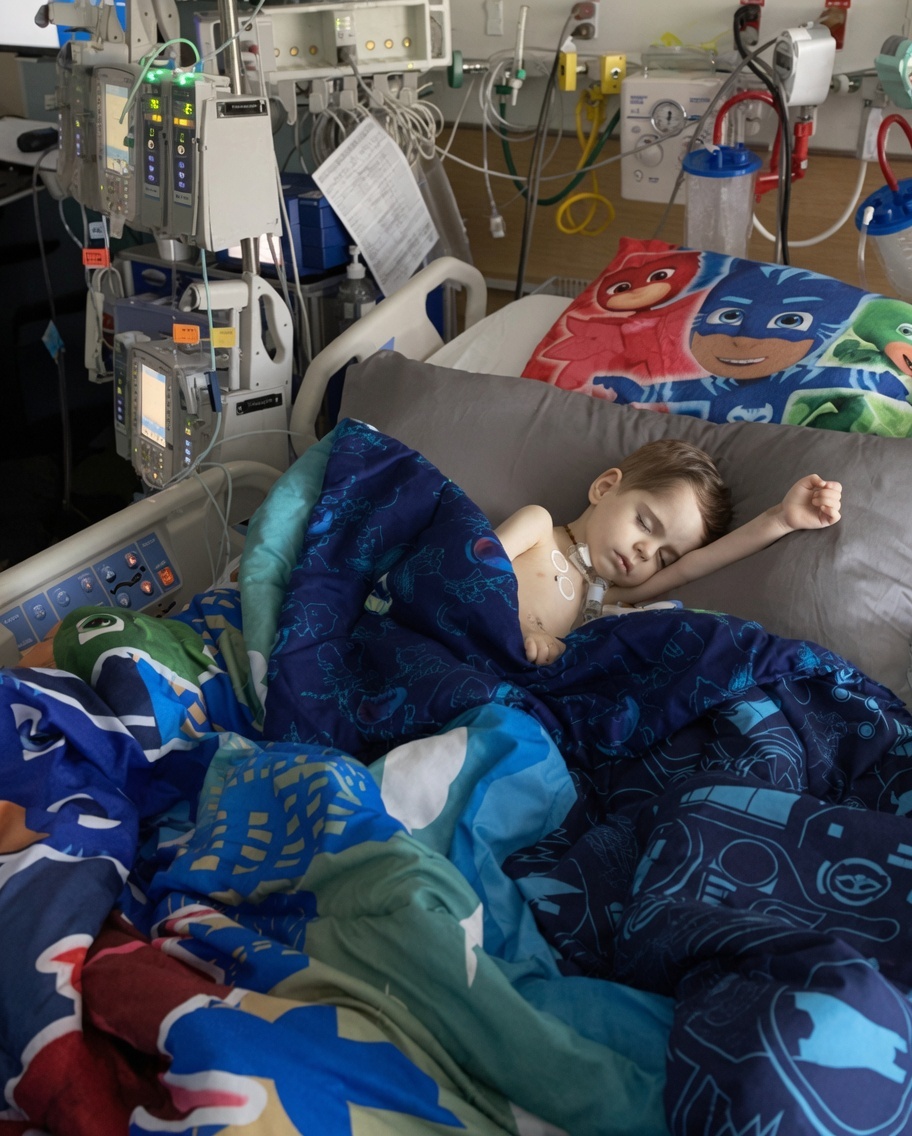
“He is such a happy boy,” his mother shared. “He loves his family, his two cats, straws, and pulse oximeter stickers.”
For Liam’s parents, his journey has been one of fear, faith, and extraordinary determination. They remain deeply grateful to the medical team at Johns Hopkins All Children’s Hospital and to the support network that helped guide them toward hope when they needed it most.
Source: TINY HERO