HE KEPT BUMPING INTO THINGS—WHAT DOCTORS FOUND INSIDE HIS BRAIN CHANGED EVERYTHING
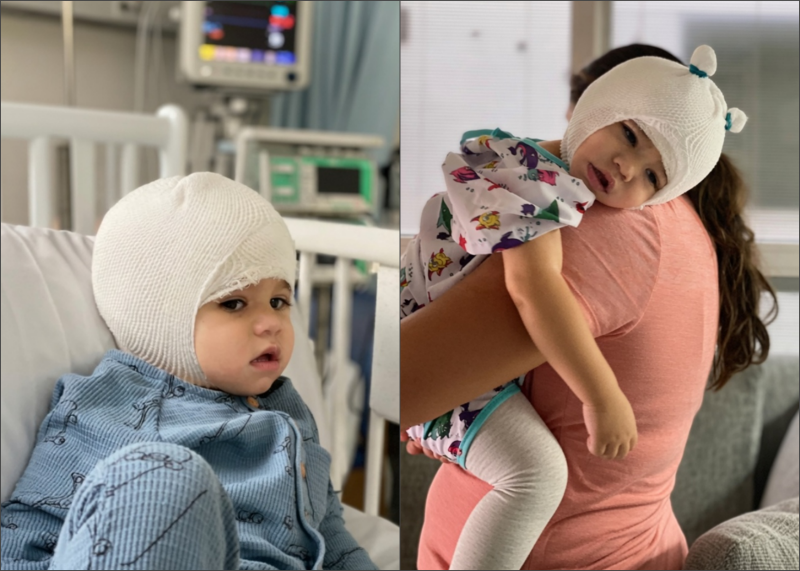
Benjamin Gutierrez was an infant when his parents, Juan Gutierrez and Maria Torres, began to notice unusual changes in his behavior. It started with occasional episodes of falling asleep unexpectedly and his face turning red while he ate. Benjamin would also bump into things frequently. He seemed less responsive at times, all signs that something wasn’t right.
On June 5, Benjamin’s parents took him to his pediatrician. While they were waiting to see the doctor, he had another episode. Gutierrez and Torres quickly recorded a video of what was happening. When they showed the video to the pediatrician, they were advised to take Benjamin to a neurologist immediately.
“We knew something was going on because his behavior was very unusual,” Torres said. “He’s our only child, so we were extremely worried.”
Instead of waiting for a neurologist appointment, the family rushed Benjamin to a local emergency department, where he was initially diagnosed with a seizure disorder. After an electroencephalogram, which measures brain activity, doctors determined that Benjamin was experiencing frequent seizures and should begin medication. He was admitted to the hospital and remained under observation for about a week.
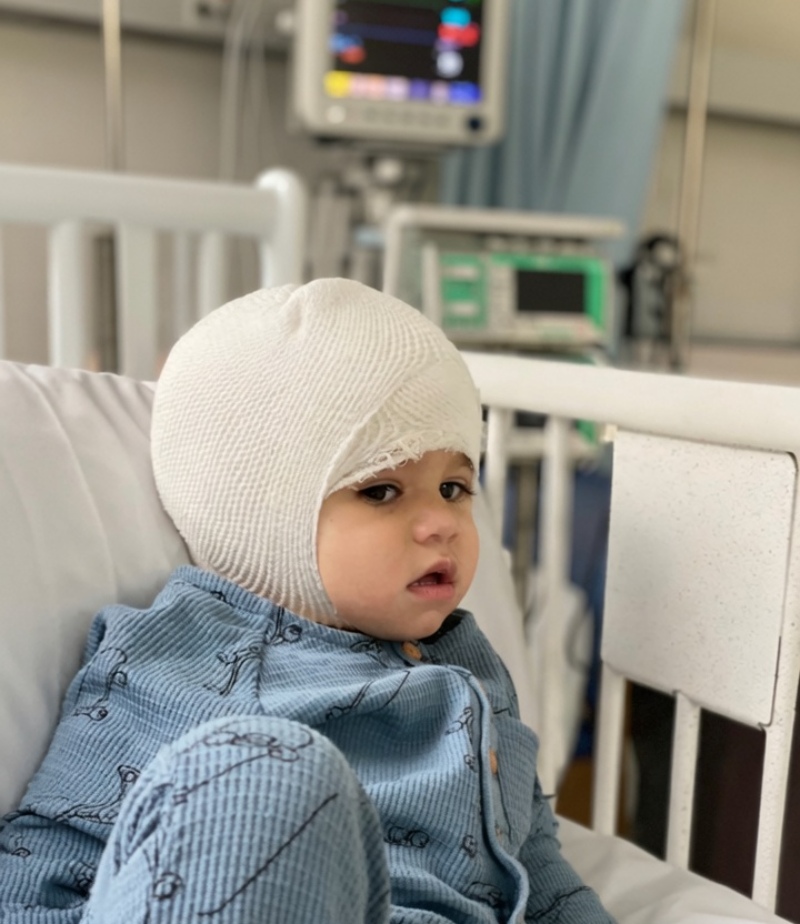
While hospitalized, Benjamin received an MRI, which revealed a large abnormality in the back of his brain. The family was told by the hospital’s neurosurgeon that it was likely not a tumor, but a vascular malformation. Benjamin’s parents sought a second opinion, and additional testing was ordered to determine whether the malformation was genetic. The results showed it was not.
“We were told this was something we were going to have to manage for the rest of his life, so our family and friends encouraged us to find a doctor who was compassionate, understanding, and loved kids,” Torres said.
Determined to find the best care for their son, the family contacted Heather McCrea, MD, PhD, director of pediatric neurosurgery at Holtz Children’s Hospital and a UHealth – University of Miami Health System pediatric neurosurgeon. The next day, Dr. McCrea saw Benjamin at Holtz Children’s.
“There have been times that it’s been really complicated to find a neurosurgeon for Benjamin,” Gutierrez said. “Dr. McCrea and her team went above and beyond to solve the problem in a timely manner.”
After reviewing his scans, Dr. McCrea explained to Benjamin’s parents that he had a very large cavernous malformation, an abnormally formed blood vessel that can cause problems in the brain or spinal cord. They discussed two options—waiting until Benjamin was older for surgery or moving forward with the procedure immediately. She also explained that the lesion was located in the area responsible for vision, which explained why Benjamin occasionally bumped into things.
On November 12, the next MRI showed the malformation had grown, leading the family to move forward with surgery right away.
“I felt like we were living through a nightmare. We came to every MRI and appointment with a packed bag, but I still wasn’t prepared for this,” Torres said.
Benjamin was admitted to the hospital following his outpatient MRI and prepared for the procedure, which took place three days later.
“The surgery went very smoothly,” Dr. McCrea said. “I was able to operate around the lesion without disturbing it, helping reduce the risk of significant blood loss.”
Despite being so young, Benjamin recovered quickly, eating just hours after surgery and returning home a few days later.
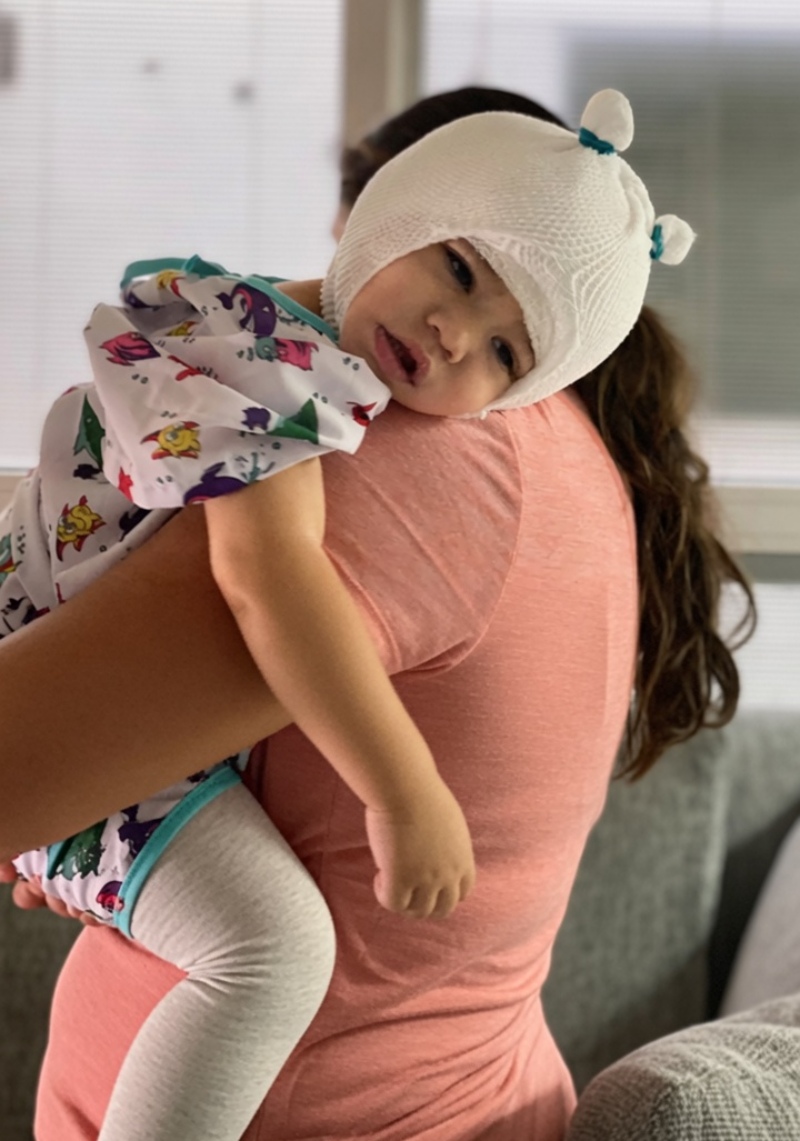
“While in the ICU, we were on autopilot, taking it one day at a time,” Torres said. “Everyone was so kind, and thankfully everything went very well. Dr. McCrea was constantly checking on us and helping us stay hopeful.”
Benjamin is now recovering well and developing like other children his age.
“His speech and motor skills are progressing well,” Dr. McCrea said. “I don’t think anyone who meets him would know he went through such a major surgery because he’s doing so well.”
Because of his age, it is still difficult to fully assess Benjamin’s vision, but he appears to be responding better after surgery. For now, he will continue seeing an ophthalmologist every six months and will receive occupational therapy to support his development.
Benjamin will also continue routine MRI scans with Dr. McCrea over the next few years and remains on medication to help manage his seizure disorder. His parents are hopeful about his future and deeply grateful for the care Dr. McCrea and her team provided.
“There are not enough words to say thank you,” Gutierrez said. “Everything they have done for Benjamin has been incredible. Thank you doesn’t seem enough. We feel so fortunate to have had Dr. McCrea and her team because they gave our little boy the chance to keep growing and thriving.”
Source: UHealth Jackson Children’s Care