𝐓𝐇𝐄 𝐄𝐗𝐎𝐑𝐂𝐈𝐒𝐓 (2026)
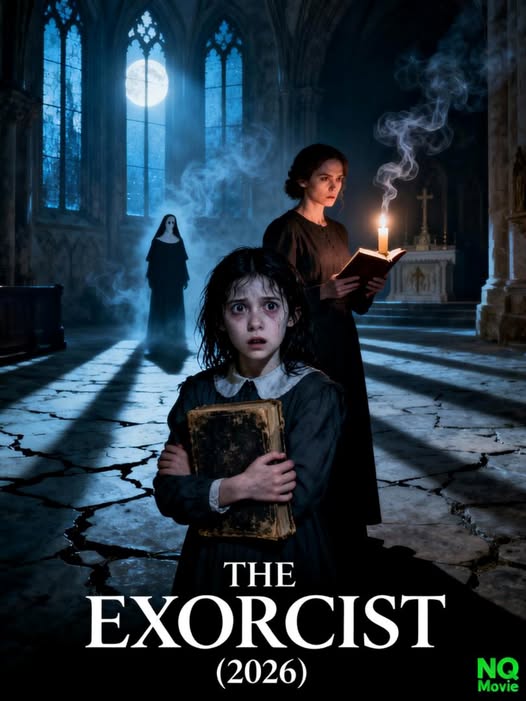
The Exorcist (2026) returns not as a simple horror sequel, but as a chilling resurrection of a legend. This new chapter embraces the soul of the 1973 classic while carving its own scar into modern cinema. It’s darker, more psychological, and far more personal. Director Daniel K. Harron crafts a film that is less about demons in the shadows—and more about the demons we carry within.
🔥 A RETURN TO PURE FEAR — AND HUMAN FRAGILITY
From the opening sequence, the film bleeds atmosphere. Candlelit rooms, whispered prayers trembling on the edge of silence, and a possessed child whose eyes seem to swallow the entire screen. The horror here is not jump scares; it’s slow, suffocating dread—the kind that crawls under your skin and refuses to let go.
The performances are phenomenal.
Mia Henderson, as the afflicted young girl, delivers a haunting portrayal—fragile one moment, violently primal the next. Oscar Isaac, playing a priest fighting his own buried sins, elevates the film with quiet heartbreak and fiery conviction. His scenes feel less like acting and more like confession.
💔 FAITH, FEAR & THE COST OF REDEMPTION
What sets The Exorcist (2026) apart is its emotional undercurrent. Beneath the demonic violence lies a story about guilt, forgiveness, and the price of saving a soul. The final act is brutal, suffocating, and strangely beautiful—faith clashing with darkness in a room that feels alive with terror.
When the credits roll, you don’t just feel scared.
You feel changed.
👉𝙒𝙖𝙩𝙘𝙝 𝙢𝙤𝙫𝙞𝙚: