Band of Brothers 2: Echoes of War – A Deep Dive into the Aftermath of Heroism
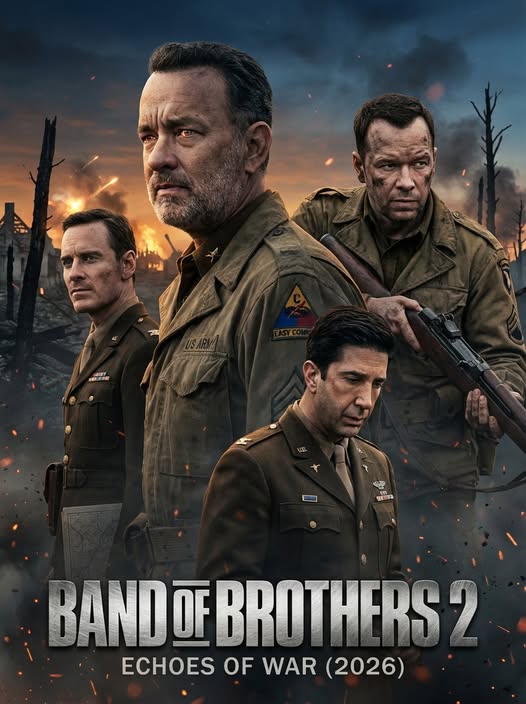
The legacy of Band of Brothers has always been defined by its portrayal of bravery, camaraderie, and sacrifice during one of the most tumultuous periods in history. In Band of Brothers 2: Echoes of War (2026), the story continues, but this time, the battlefield shifts from a place of active combat to a haunting exploration of what happens when the war ends. The emotional toll of World War II reverberates throughout the lives of the soldiers, and this new chapter delves deep into their struggles, not just with survival but with what it means to carry the scars of war once the fighting is over.
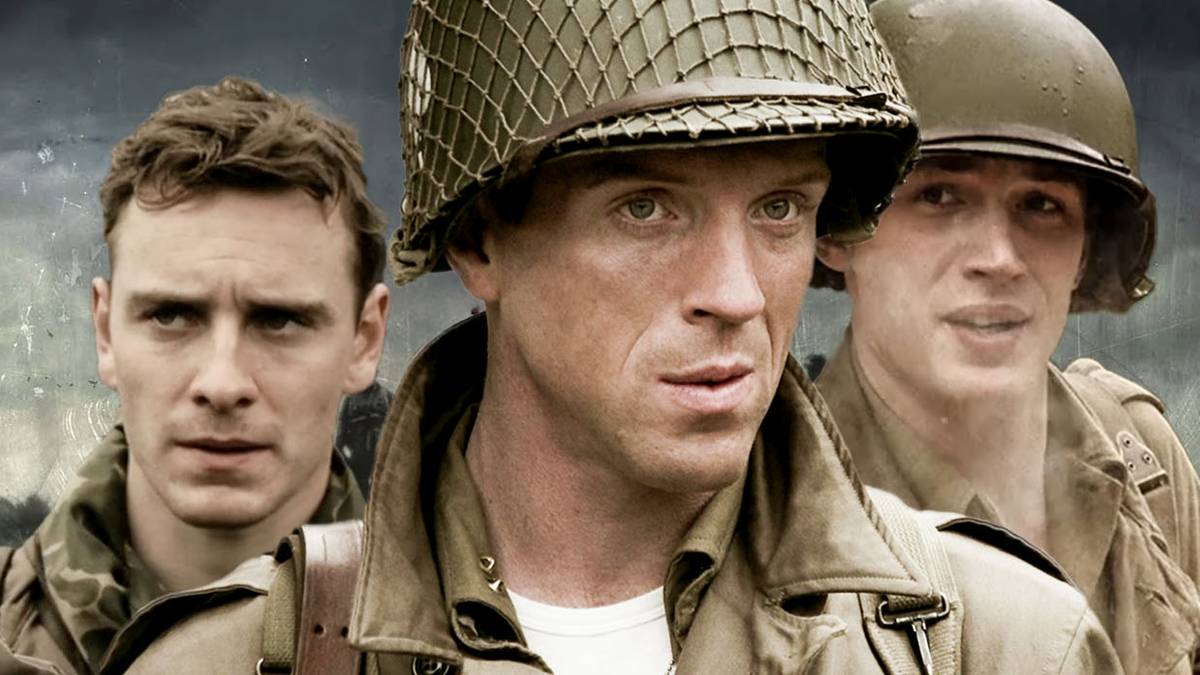
The film opens in the aftermath of the brutal campaigns of the European Theater. The heroes we followed in the original series are no longer the same men they were when they first stepped onto the battlefield. The psychological weight they carry is palpable in every scene, as the soldiers struggle to reconcile their identities with the traumatic events they’ve lived through. Echoes of War is not just about the scars left on their bodies, but the invisible wounds that will never truly heal.
At the forefront of this exploration is Captain Winters, portrayed once again by Tom Hanks, who now must navigate the complexities of leadership in a world at peace—a peace that feels distant and fractured. Winters finds himself in a constant battle, not against enemy forces, but against the lingering trauma and the looming uncertainty of civilian life. As the leader of Easy Company, he is tasked with not only guiding the men but also helping them face the emotional toll of their experiences. His journey is one of heavy introspection, where each decision he makes is weighed down by the ghosts of war.

Lieutenant Lipton, played by Donnie Wahlberg, continues to embody the steadfast heart of the company. His unwavering support for his comrades remains a cornerstone of the group, but Lipton is not immune to the deep emotional rift caused by the loss of close friends. His struggles to adapt to civilian life are marked by a profound loneliness, as the bonds that once held them together seem irreparably altered by the trauma they’ve endured. His journey is one of immense pain and healing, as he grapples with the emotional toll of both survival and the burden of moving on.
The addition of Major William Grant, portrayed by Michael Fassbender, injects a fresh dynamic into the company’s struggle. Grant is a hardened soldier from another theater of war, whose perspective on combat is shaped by different experiences, yet his path to integration with Easy Company is fraught with tension. His arrival forces the men to confront their own perceptions of heroism, camaraderie, and the sacrifices they’ve made. Grant’s character is complex and raw, serving as a mirror to the men who have spent years fighting in unison but are now forced to adapt to a world that doesn’t understand their shared experiences.
What sets Echoes of War apart from traditional war narratives is its emphasis on the emotional aftermath of battle. The violence of the past may have been fought, but the emotional remnants remain long after the final shot is fired. The soldiers are left to rebuild their lives in a society that doesn’t fully comprehend the psychological damage they carry. The quiet moments of introspection, the strained conversations, and the heavy silences speak volumes about the emotional landscape these men must navigate.

This film is not just a continuation of Band of Brothers; it’s a powerful meditation on the costs of war that cannot be quantified by body counts or medals of honor. The real stakes here are not about military victory, but about reclaiming what it means to be human after such profound destruction. The men of Easy Company are no longer soldiers on the frontlines; they are warriors fighting the most difficult battle of all—the battle to heal.
As the story unfolds, we are reminded that the greatest courage is often shown not on the battlefield, but in the quiet moments when the weight of the past threatens to suffocate the future. Band of Brothers 2: Echoes of War doesn’t merely ask if these men can survive the war; it challenges us to ask whether they can survive life after war, and whether the bonds they formed during the darkest of times can hold up in the light of peace.
The emotional depth of this film is raw and unrelenting, offering a haunting look at the psychological consequences of warfare. The scars left on these men are not just physical—they are emotional, psychological, and spiritual. In Echoes of War, the fight for survival transforms into the fight for sanity, identity, and a semblance of peace.

By the time the credits roll, we are left not with a sense of closure, but with the weight of the question: can we ever truly leave the battlefield behind? This is a story not just for history buffs or war enthusiasts, but for anyone who has ever faced personal trauma and had to find a way forward.
Band of Brothers 2: Echoes of War is more than a sequel; it is a powerful reflection on the emotional complexities of returning from battle. It is a must-watch for anyone who wants to understand the true cost of war, and the courage required to rebuild after it. The story of Easy Company is far from over—it’s just beginning. Would you stand by your brothers, even after the war has ended? Which soldier’s journey do you want to follow first? Tell me your thoughts below!
Related movies: