CARE AND DELICATE HANDLING IN INFANT OSTEO GENESIS IMPERFECTA
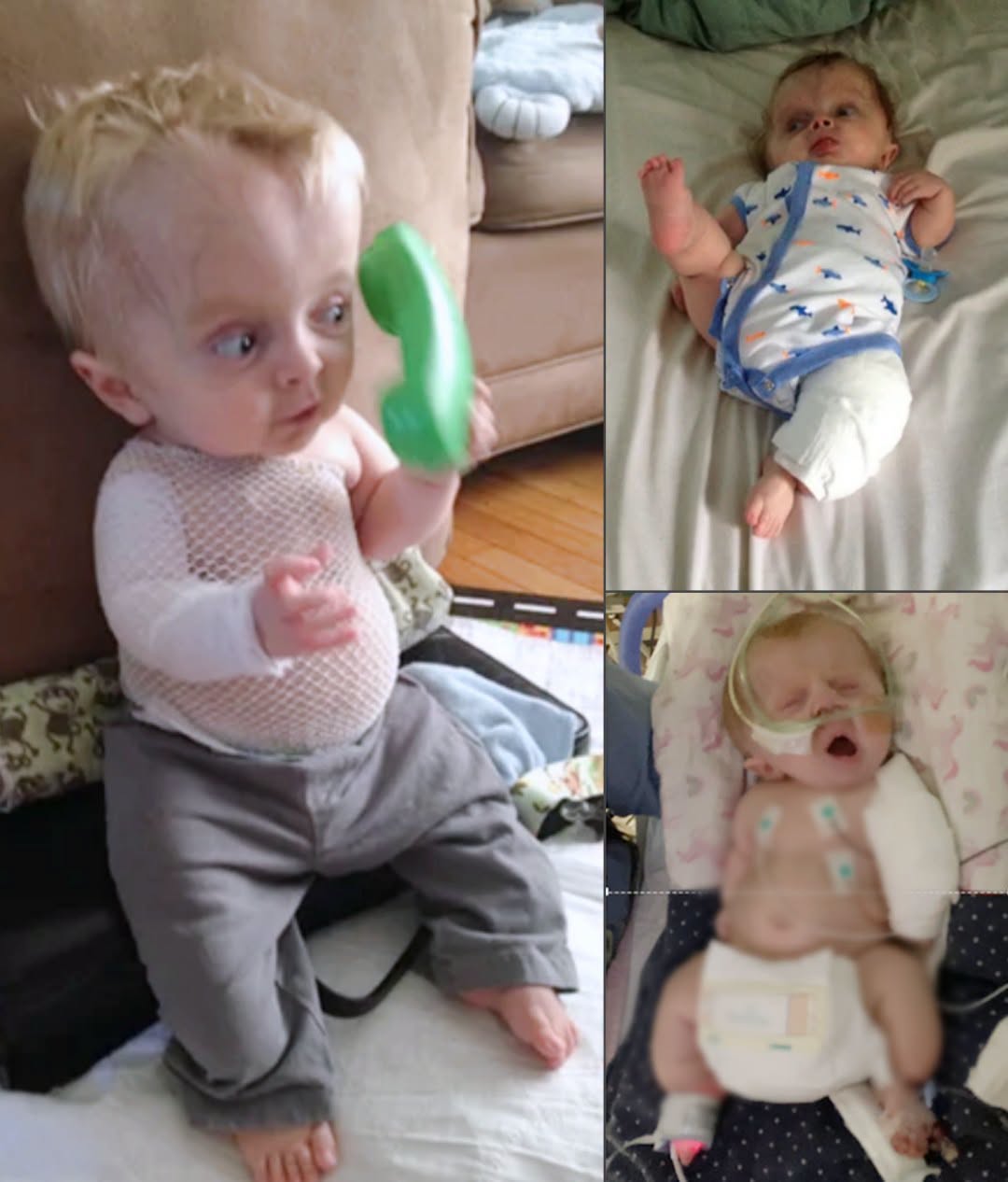
CARE AND DELICATE HANDLING IN INFANT OSTEO GENESIS IMPERFECTA
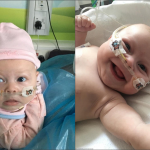
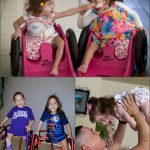
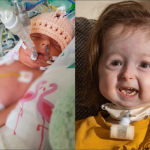
Born with a severe form of osteogenesis imperfecta (OI), a rare genetic disorder commonly known as brittle bone disease, an infant requires extraordinarily gentle and specialized care right from birth. This condition affects collagen production, leaving bones exceptionally fragile and prone to fractures even from the mildest pressure, standard movement, or routine handling.
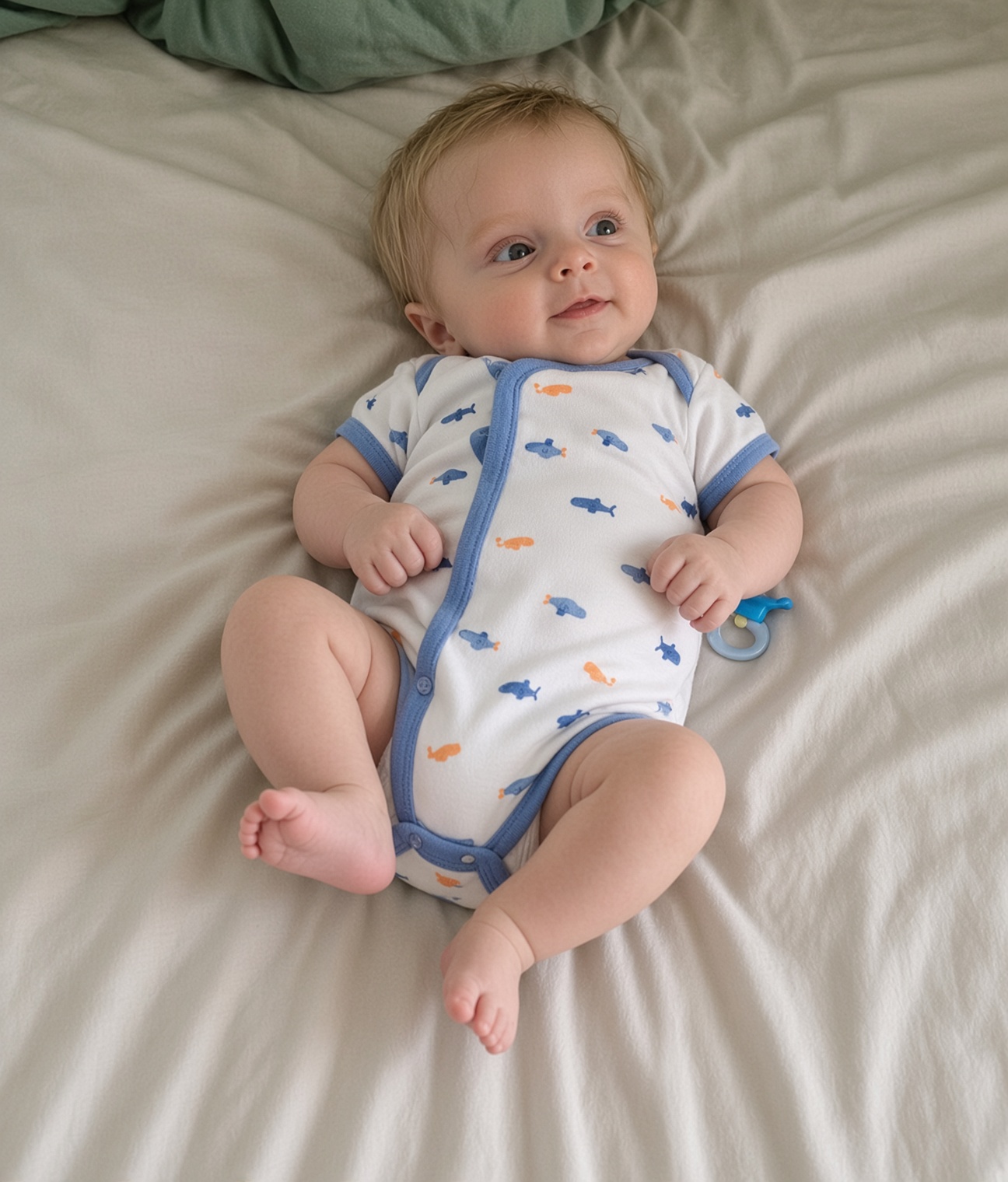
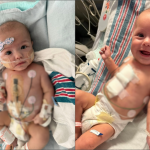
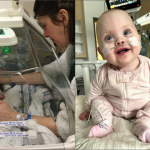
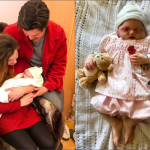
During the critical newborn phase, specialized medical teams and caregivers must implement customized positioning strategies to minimize physical stress on the infant’s skeleton. Soft cotton wraps, padded splints, and cushioned supports are carefully placed to stabilize delicate limbs, protect vulnerable joint structures, and reduce the likelihood of accidental fractures. For instance, gentle wrapping techniques are frequently applied to support a fragile left leg or right arm during care transitions, such as moving out of the Neonatal Intensive Care Unit (NICU).
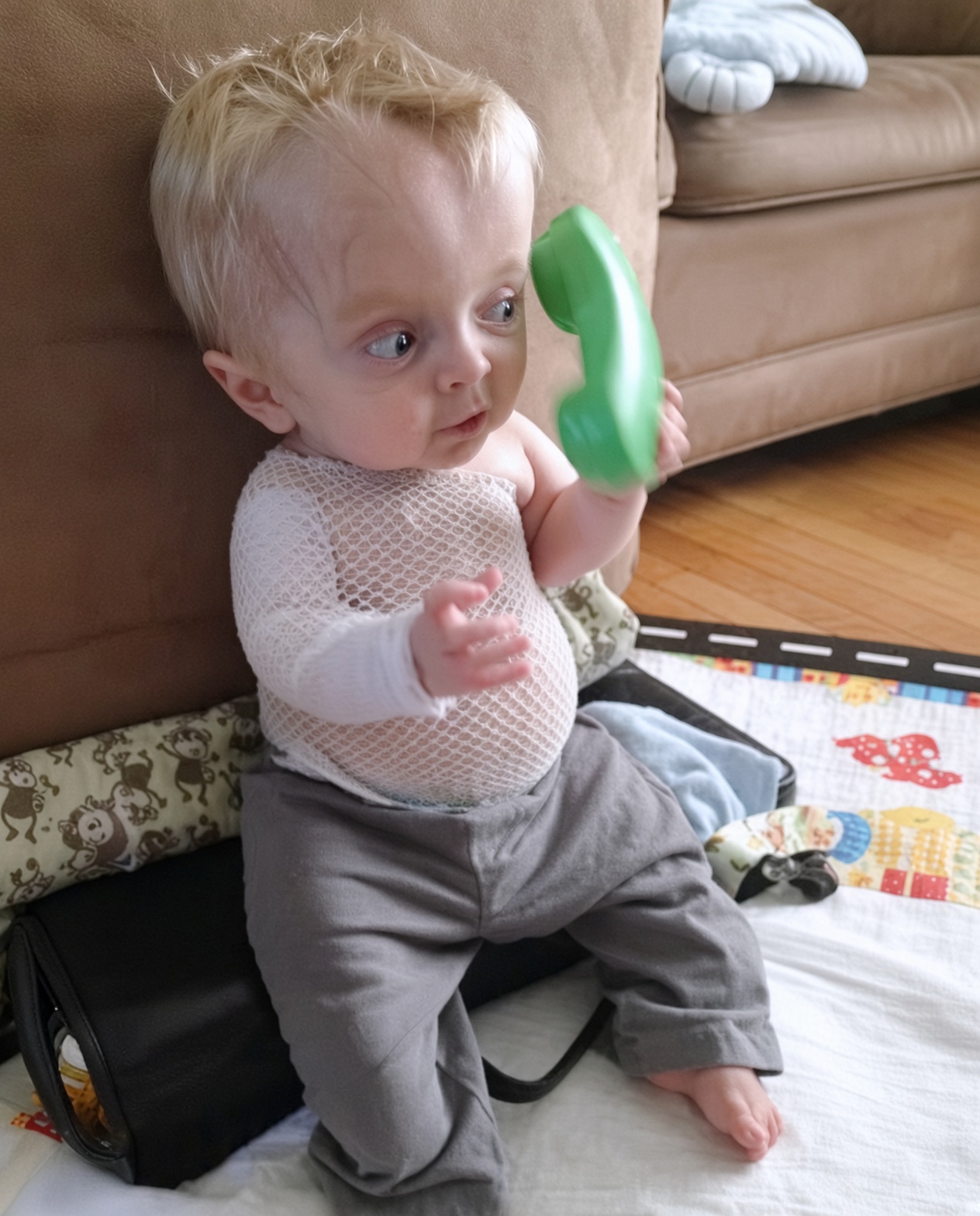
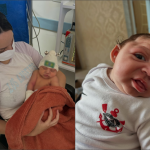
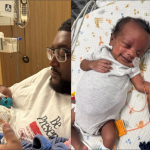
Everyday routines, including diaper changing, bathing, feeding, and holding, require deliberate adaptations. Caregivers avoid lifting the infant by the armpits or limbs, opting instead to support the child with broad, flat surfaces like firm cushions or specialized foam pads to distribute body weight evenly. Beyond physical stabilization, comprehensive care involves close monitoring by a multidisciplinary medical team to manage pain, assess skeletal development, and educate parents on safe handling techniques at home. Through continuous oversight and meticulous daily care, families can provide a safe, protective environment that fosters physical comfort and overall developmental well-being.