BABY OLIVER’S HUGE LYMPHATIC MALFORMATION LEFT HIS ARM STUCK ABOVE HIS HEAD — THEN THREE TREATMENTS CHANGED EVERYTHING
When Oliver Heilbron was born, his parents expected the usual first moments of joy.
His father, Peter, vividly remembers being told to get his camera ready — only for the mood to change moments later when doctors discovered something unexpected.
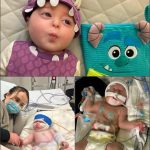
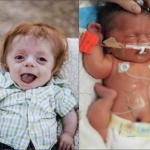
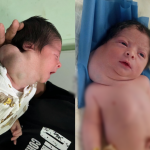
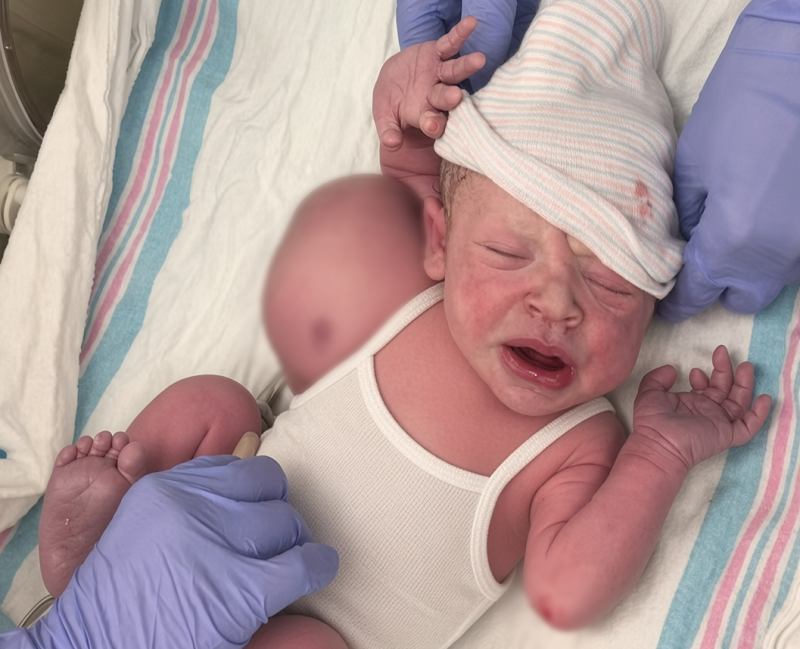
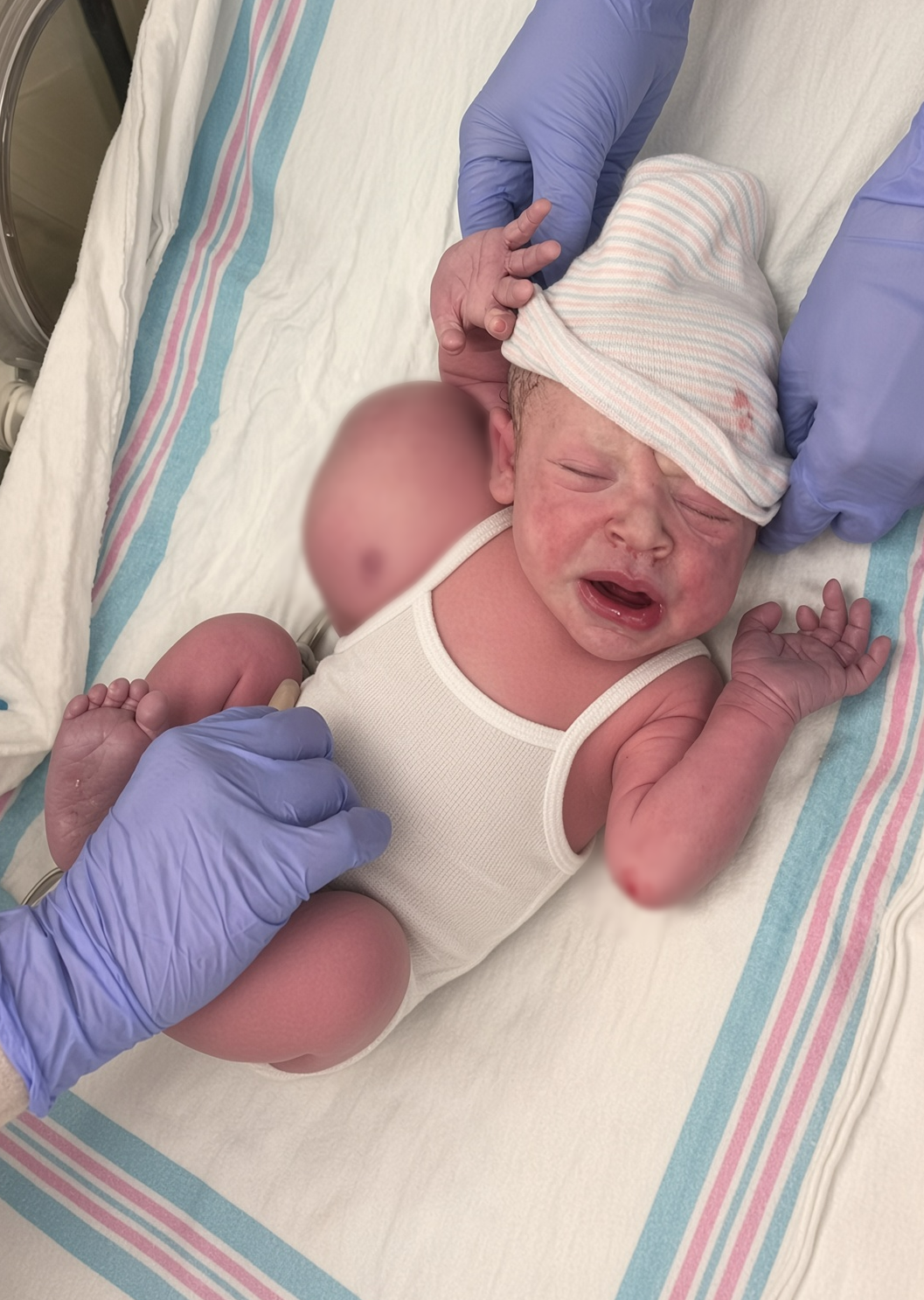
Oliver had been born with a large, soft mass beneath his armpit. The 12-ounce lymphatic malformation was so large that it pushed his tiny right arm high above his head, leaving it stuck in that position.
“We knew immediately that something was very different,” his parents recalled. “As happy as we were to finally meet him, we were also frightened and had so many questions.”
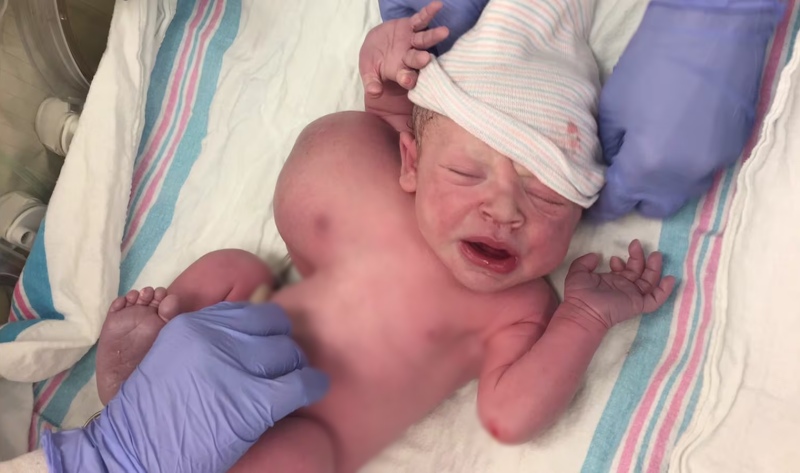
The mass was a lymphatic malformation, a rare developmental condition that occurs during pregnancy when lymphatic channels form abnormally.
Oliver’s parents soon found themselves beginning a medical journey they had never imagined.
Fortunately, they were referred to Children’s Hospital Los Angeles, where specialists at its Vascular Anomalies Center use a treatment called sclerotherapy for conditions like Oliver’s.
Instead of removing the mass through major surgery, doctors carefully injected medication directly into the cyst. The treatment caused the walls of the abnormal spaces to collapse.
Oliver needed three consecutive treatments.
Slowly, the enormous mass began to shrink.
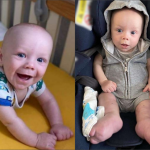
And then came the moment his parents had been waiting for — Oliver could freely use his arm.
Today, only a tiny, barely noticeable scar remains.
“Sometimes I look at him and see that little scar, and I still can’t believe it,” his mother Jennifer said. “I remember how he was born, and then I look at him now. It feels incredible.”
For Oliver’s family, the journey was filled with uncertainty, but also overwhelming gratitude.
“We were scared at first, but watching him get stronger gave us hope,” they shared. “He showed us just how much a little child can overcome.”
Doctors explain that lymphatic malformations develop around four to six weeks of pregnancy and may not always be visible on prenatal scans.
Two decades ago, Oliver’s story might have been very different. Surgery to remove the mass was often the immediate option, and it could sometimes lead to recurrence or long-term complications.
Thankfully, Oliver was born at a time when less invasive treatments were available — and his family lived less than an hour from one of the specialized centers able to provide them.
From a newborn whose tiny arm was held high by an unexpected mass to a growing boy with full use of that arm, Oliver’s journey is a powerful reminder that sometimes, even the most frightening beginning can lead to an incredibly hopeful ending.
Source: wndu.com