The Chronicles of Narnia
The Chronicles of Narnia: The Silver Chair (2026)
Directed by: Greta Gerwig
Starring: Louis Partridge, Sadie Sink, Florence Pugh, Andy Serkis
Genre: Fantasy • Adventure • Drama
The world of Narnia beckons once again, and this time, it’s in a tale filled with both peril and promise — a magical adventure set against the backdrop of breathtaking landscapes and heart-stopping encounters. The Chronicles of Narnia: The Silver Chair (2026) is not just a continuation of the beloved Narnia saga; it’s a reinvention, reimagined with Greta Gerwig’s visionary direction and a cast of rising stars. Fans of C.S. Lewis’s classic series will find themselves transported to a world filled with new challenges, deeper emotional stakes, and more perilous stakes for Narnia’s future.
The Call to Adventure
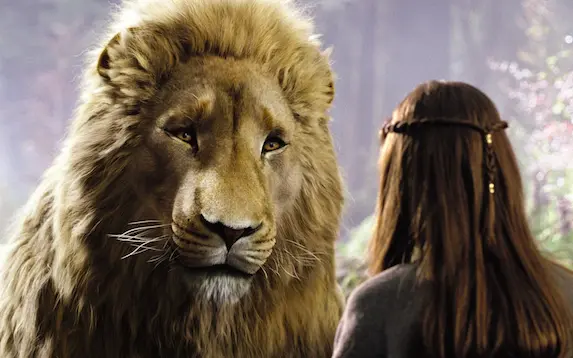
The story begins as the two young protagonists, Eustace Scrubb (Louis Partridge) and Jill Pole (Sadie Sink), are summoned back to the magical realm of Narnia after a strange and unsettling dream. The land is in turmoil, with the disappearance of Prince Rilian, the heir to the throne, casting a dark shadow over the kingdom. Aslan, the great lion and guardian of Narnia, calls upon the two children to embark on an impossible mission to rescue the prince from the clutches of the mysterious Green Witch. The fate of Narnia rests in their hands.
Eustace and Jill find themselves thrust into a world far more dangerous than they anticipated. The forest that once felt safe now teems with dark secrets, and the air is thick with the presence of unseen threats. Their journey begins with a sense of excitement, but as they venture deeper into Narnia, they realize that their adventure will test their courage, their friendship, and their very belief in themselves.
An Unlikely Pair
Eustace Scrubb, now more mature but still carrying the remnants of his earlier arrogance, is pushed to his limits on this journey. Louis Partridge brings a nuanced complexity to Eustace’s character. No longer the whiny, self-centered child from The Voyage of the Dawn Treader, Eustace has grown into a young man wrestling with his own sense of purpose. He still has much to learn, but the challenges he faces in The Silver Chair will be transformative. Partridge masterfully conveys Eustace’s internal struggles as he confronts fears that stretch beyond the realm of imagination.
On the other hand, Jill Pole (Sadie Sink) is the heart of the adventure. A strong-willed, determined young girl, Jill possesses an inner strength that sometimes surprises even herself. Sink, with her raw emotional power and depth, brings Jill’s journey to life. Throughout their quest, Jill must come to terms with the value of self-reliance and the importance of relying on others, particularly Eustace, who becomes her steadfast companion through the thick and thin of their perilous journey.
The Perils of the Journey
The world of Narnia is, as always, a blend of awe-inspiring beauty and horrifying danger. The duo finds themselves trekking through dark forests where the trees whisper warnings, navigating deadly marshes where every step could lead to peril, and encountering mystical creatures that challenge their very understanding of reality. Among these creatures is Puddleglum, the pessimistic yet endearing Marsh-wiggle, played by the brilliant Andy Serkis. Puddleglum is a contrast to the optimism of the children, his dark humor providing much-needed comic relief in a world where hope is often hard to come by. His role, while humorous, is essential, and Serkis brings a gravitas to the character that allows Puddleglum to shine through as a figure of unexpected wisdom and loyalty.
But the most chilling force in their journey is the Green Witch (Florence Pugh), a powerful and menacing figure who is both ethereal and terrifying. Pugh gives a haunting performance, capturing the essence of the Green Witch’s seductive yet dangerous nature. She is not just a villain; she is a representation of the darker forces that threaten the very fabric of Narnia’s existence. Her motivations are layered, and Pugh’s nuanced portrayal of the character adds an unsettling depth to her, turning her into a villain whose very presence feels suffocating.
As Eustace, Jill, and Puddleglum travel deeper into the lands of Narnia, they are confronted not only by external threats but by their own doubts and fears. Their emotional journeys mirror the landscapes they traverse — wild, unpredictable, and filled with moments of both beauty and despair. The world around them seems to shift in response to their inner struggles, amplifying the tension that runs throughout the adventure.
The Heart of the Story
While The Silver Chair is undoubtedly filled with action, magical creatures, and perilous adventures, at its heart, it is a story about faith — faith in oneself, in others, and in the magic that exists beyond understanding. Aslan’s presence looms large throughout the story, guiding the children, sometimes directly and sometimes with subtle signs that test their ability to trust. His wisdom transcends the boundaries of the world, offering the characters a perspective that is difficult for them to grasp but essential for their success.
The relationships in the story form the emotional backbone of the narrative. The friendship between Eustace and Jill is tested in profound ways. There are moments when trust is shattered, and the weight of their mission seems too heavy to bear. But through their trials, they come to understand the true meaning of partnership and sacrifice. The loyalty of Puddleglum also proves invaluable, as his unwavering belief in the mission, despite his pessimistic outlook, helps ground the group when all hope seems lost.
Greta Gerwig’s direction brings a fresh emotional depth to the narrative, blending elements of whimsy and darkness with a deft touch. The pacing of the film allows for moments of quiet introspection amidst the chaos, allowing the characters — and the audience — to breathe and reflect before plunging back into the fray. Gerwig’s ability to balance these emotional moments with the intense action sequences creates a film that is both thrilling and heartfelt.
Visual Spectacle
One of the defining features of The Silver Chair is its stunning visuals. The magic of Narnia is realized through breathtaking cinematography, from the lush, green forests to the ominous, fog-laden marshes. The world feels both expansive and intimate, capturing the vastness of Narnia’s wild beauty while focusing on the intricate details that make the world feel alive.
The film’s visual effects bring the fantastical creatures and landscapes to life with jaw-dropping realism. The Green Witch’s powers are particularly mesmerizing, with intricate and surreal effects that heighten the sense of danger whenever she appears. The creatures that the children encounter, from the ominous giants to the various mystical beings of Narnia, are intricately designed and animated, enhancing the immersive quality of the experience.
The silver chair itself, a key symbol in the story, is brought to life in a way that feels as important as the characters. The chair is not just an object but a symbol of the tyranny that has held Prince Rilian captive for so long. The visuals of the chair, its intricate carvings and its mystical allure, serve as a constant reminder of the stakes that the children face in their mission.
The Emotional Climax
As the adventure builds to its climax, the emotional stakes become higher. The children’s journey reaches its peak as they confront the Green Witch in a battle of wits and wills. The culmination of their struggles, both external and internal, leads them to a place of profound revelation and growth. The Silver Chair is about more than just saving a prince; it is about understanding the depths of courage and faith and recognizing that the greatest battles are often fought within.
The film concludes with a sense of resolution, but not without lingering questions. The children’s journey has changed them, just as Narnia itself has been altered. In the final moments, they are faced with the knowledge that the land they love is constantly in flux, and with that, they understand that they too must continue to grow, adapt, and face the unknown.
The Future of Narnia
While The Silver Chair marks a significant chapter in the Narnia series, it also leaves the door open for further adventures. The film hints at the deeper lore of Narnia, teasing future quests and the return of familiar faces. The ending, though satisfying, suggests that the magic of Narnia is far from over and that more mysteries await those brave enough to answer Aslan’s call.
The success of The Silver Chair sets the stage for future installments in the Narnia franchise, each more ambitious and emotionally resonant than the last. The door is wide open for the exploration of other characters, realms, and stories that have yet to be told, making this a pivotal moment in the Narnia cinematic universe.
Conclusion
The Chronicles of Narnia: The Silver Chair (2026) is a film that combines magic, adventure, and emotional depth in a way that will captivate fans and newcomers alike. The talented cast, led by Louis Partridge and Sadie Sink, bring the beloved characters of Eustace and Jill to life with authenticity and heart. The stunning visuals, breathtaking action, and nuanced direction by Greta Gerwig create an unforgettable cinematic experience that will leave audiences eagerly awaiting the next chapter of Narnia’s magical legacy.
With its timeless themes of courage, faith, and friendship, The Silver Chair is more than just a fantasy adventure — it is a journey into the heart of what it means to face the unknown, to trust in each other, and to believe in the power of magic. Prepare to be swept away into a world where anything is possible and the greatest adventures are those that test the very core of who we are.