SAW VIII
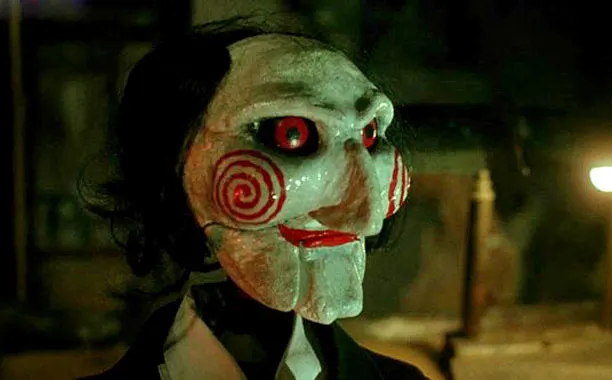
Saw VIII: Final Chapter (2026): The Ultimate Confrontation
Starring: Tobin Bell, Cary Elwes, Shawnee Smith
Genre: Horror • Thriller • Mystery
The Saw franchise, known for its spine-chilling traps and gut-wrenching psychological terror, reaches its thrilling and terrifying conclusion in Saw VIII: Final Chapter (2026). This latest installment dives deeper into the twisted mind of John Kramer, aka Jigsaw, as the stakes have never been higher, and the fear has never been more palpable. Survivors of Jigsaw’s deadly game are pulled back into his nightmarish world, where every decision is a matter of life and death, and escape is nothing more than an illusion.
In this relentless, high-stakes finale, the stakes go beyond simple survival. The traps are more intricate and ingenious than ever before, testing not only the will to live but the moral fabric of its victims. The film delves into the final revelations of Jigsaw’s philosophy, pulling back the layers of deceit and betrayal that have defined the franchise. As shocking secrets are revealed, and the truth of Jigsaw’s legacy unravels, the players are forced to confront their own darkest impulses.
A Final Reckoning: The Return of the Survivors
The film opens with a sense of foreboding tension as survivors from past games, all individuals marked by Jigsaw’s deadly trials, are inexplicably drawn back into the nightmare that changed their lives forever. It’s been years since the death of Jigsaw, yet his influence lingers, and his philosophy continues to haunt those who lived through the horrors he designed. The survivors, some trying to rebuild their lives, are faced with the chilling realization that the game is far from over.
Tobin Bell returns as John Kramer, and even though his physical presence is minimal in this final chapter, his haunting legacy permeates every aspect of the film. As the architect of the twisted games, his presence is felt in every room, in every trap, and in the horrific choices that unfold. Bell’s return brings a chilling gravitas to the film, reminding the audience of Jigsaw’s twisted genius and unwavering belief in his philosophy.
Alongside Bell, Cary Elwes returns as Dr. Lawrence Gordon, a key figure from the first Saw movie, and Shawnee Smith reprises her role as Amanda Young, one of Jigsaw’s most devoted disciples. Their return adds an emotional layer to the story, intertwining past and present while exploring the long-lasting consequences of surviving Jigsaw’s games. The deep psychological scars these characters carry are explored in painstaking detail, reminding audiences of the moral complexities of survival and the emotional toll of Jigsaw’s legacy.
The Traps: More Ingenious, More Terrifying
As the survivors are thrust back into Jigsaw’s sadistic world, the audience is presented with a series of brutal and complex traps, each one more elaborate and grotesque than the last. Saw VIII: Final Chapter pushes the limits of creativity, as the traps are designed not just to physically harm but to psychologically torment the victims. The intricacy of the traps becomes a reflection of Jigsaw’s twisted mind, each one presenting a moral dilemma that forces the victims to confront their deepest fears and darkest secrets.
The traps are designed to blur the line between predator and prey, making it difficult to discern who is truly the victim and who is the executioner. The new victims brought into Jigsaw’s world are not just passive participants; they are active players in a game that tests their strength, their will, and their capacity for self-sacrifice. As the survivors fight to escape, they must also grapple with the consequences of their past actions, as Jigsaw’s twisted games are always about more than survival — they are about redemption, punishment, and the revelation of hidden truths.
The film’s tension is amplified by the pacing of the traps — they are not just brutal displays of violence, but meticulously constructed puzzles that keep the audience guessing. With each twist, the tension builds, as the victims are pushed to their physical and psychological limits. The traps aren’t just about escape; they are about revealing the darkest parts of the human soul.
The Philosophy of Jigsaw: Revelations and Betrayals
As the game unfolds, Jigsaw’s final philosophy is revealed in gut-wrenching ways that will leave the audience questioning everything they thought they knew about the series. Throughout the Saw films, Jigsaw’s motives were murky at best, but in this final chapter, the full extent of his twisted worldview is brought into the light.
Jigsaw’s belief in teaching people the value of life by subjecting them to horrific choices becomes the crux of the film’s emotional core. The survivors are forced to confront their pasts and the consequences of their decisions, while simultaneously grappling with the revelation that they may have been mere pawns in a much larger game. There are shocking betrayals, hidden secrets, and alliances that twist the narrative in unexpected directions, keeping the audience on the edge of their seats.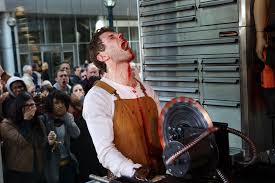
The line between good and evil becomes more blurred as the final puzzle pieces fall into place. Jigsaw’s influence is not just a literal presence, but a haunting specter that lingers over every character. The survivors are faced with difficult decisions — should they embrace the lessons Jigsaw imparted, or will they reject his twisted worldview and seek redemption?
A Heart-Pounding Conclusion
Saw VIII: Final Chapter is a relentless, psychological rollercoaster that refuses to let go. The final act is a masterclass in tension and suspense, as all the threads of the story come together in a gut-wrenching climax. The film’s pacing is unyielding, propelling the narrative forward with one shocking revelation after another. The finale provides both satisfying closure and unexpected twists, cementing Jigsaw’s legacy in ways that will haunt fans long after the credits roll.
The film’s conclusion is as emotionally charged as it is terrifying. Every character is forced to make a final, irrevocable choice, and the consequences of those decisions reverberate throughout the film, leaving the audience with a sense of dread and finality. It is a conclusion that will leave fans breathless, as the legacy of Jigsaw is forever cemented in the annals of horror history.
The Legacy of Jigsaw
With Saw VIII: Final Chapter, the Saw franchise delivers a brutal, emotional, and intellectually stimulating conclusion to a saga that has captivated audiences for over a decade. The film balances the franchise’s signature violence and terror with a deep exploration of its characters, their motivations, and the haunting legacy left by Jigsaw. It’s a fitting and deeply satisfying end to a series that has continually pushed the boundaries of horror.
Saw VIII: Final Chapter is not just a final confrontation; it is a reflection on the very nature of humanity, survival, and redemption. The psychological terror is not just about escaping the traps, but about confronting the moral dilemmas that define the characters. This is a high-stakes, gut-wrenching finale that will keep fans on the edge of their seats until the very end, delivering a shocking, unforgettable conclusion to one of the most iconic horror franchises of all time.
Verdict: 8.4/10 — A chilling, high-stakes finale that delivers both shocking twists and haunting psychological horror, cementing the ultimate legacy of Jigsaw. The film’s intricate traps, complex characters, and emotional depth make it a fitting and terrifying conclusion to the Saw series, one that fans will remember for years to come.