The Princess Diaries 3: The Royal Legacy (2026)
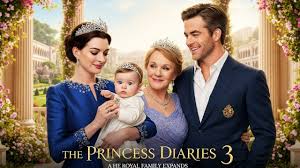
The Princess Diaries 3: The Royal Legacy (2026) – A Heartfelt Return to Genovia
The Princess Diaries franchise holds a special place in the hearts of many who grew up with its blend of humor, romance, and royal fantasy. With its charming cast and magical transformation of an ordinary girl into a queen, the series enchanted audiences with its delightful mix of princess dreams and relatable struggles. After a long-awaited hiatus, The Princess Diaries 3: The Royal Legacy brings back the beloved Mia Thermopolis (Anne Hathaway) in a fresh chapter that explores the true meaning of legacy, motherhood, and what it means to reign with heart.
In this new installment, the stakes have never been higher. Queen Mia has ruled Genovia for the past twenty years with grace, though not without her fair share of clumsy missteps. She has made her mark, modernizing the kingdom while remaining deeply connected to the people she serves. But as every great ruler knows, the future is never certain, and for Mia, that future comes in the form of her daughter, Princess Amelia, who is determined to lead a life outside the royal spotlight.
The conflict of The Royal Legacy is one that many viewers will find relatable—how do you balance your legacy with the wishes of the next generation? Princess Amelia, the teenage daughter of Mia and Prince Nicholas (Chris Pine), has grown up with the world’s eyes on her. But instead of embracing her royal destiny, she rebels against it at every turn. As she grows older, her desire to carve out her own identity outside of the constraints of her title becomes stronger, causing friction within the royal family.
Mia, caught between her daughter’s rebellious spirit and her duty to her people, finds herself at a crossroads. To complicate matters further, the kingdom of Genovia is facing its own set of challenges, from modernizing its old traditions to maintaining a sense of unity among its people. The once-picturesque royal life is suddenly filled with chaos, both personal and political. The pressure of preserving her royal legacy, while also being a loving and understanding mother, becomes the crux of Mia’s journey.
As Queen Mia navigates the tensions with her daughter, she finds herself leaning on the wisdom of her mother-in-law, the Queen Mother Clarisse Renaldi (Julie Andrews). Clarisse, with her no-nonsense advice and experience as a former queen herself, plays an essential role in guiding Mia through the storm. Their relationship, filled with both tension and love, provides a perfect backdrop to explore the themes of family legacy, duty, and the complexities of ruling a kingdom while maintaining your humanity.
The dynamic between Mia and Amelia is beautifully layered, exploring themes of generational differences, the pressure of living up to family expectations, and the complicated nature of parental love. Mia’s initial approach to Amelia’s rebellion is one of frustration, as she tries to impose the values of the royal family on a daughter who is determined to forge her own path. But as the story unfolds, Mia learns that her love for Amelia must be as unconditional as the crown she wears. She must evolve from the young, naive princess we first met to a mother who understands that her legacy is not just about the crown or her achievements but also about raising the next generation with love, understanding, and flexibility.
One of the most heartwarming elements of The Royal Legacy is the return of some familiar faces, particularly the royal staff who have been by Mia’s side since the beginning. Joe (Héctor Elizondo), the loyal head of security and the keeper of royal secrets, brings his signature wit and wisdom to the mix, offering both comic relief and sage advice. His presence reminds Mia of the value of her team, showing her that even in the most difficult times, the people who truly matter are the ones who have supported her all along. Additionally, the return of Lily Moscovitz (Heather Matarazzo) as Mia’s best friend adds a touch of nostalgia for fans of the original films. As Mia’s closest confidante, Lily’s no-nonsense attitude and loyalty provide a grounding force for Mia as she juggles her royal responsibilities and her family life.
While The Royal Legacy focuses on the personal and familial aspects of Mia’s reign, it also touches on the larger societal issues that she must navigate as a ruler. Genovia, a small but influential country, is at a crossroads between tradition and progress. Mia’s efforts to modernize the kingdom face resistance from conservative factions who want to hold on to the old ways, creating a political landscape fraught with tension. This external conflict mirrors Mia’s internal struggle as she works to reconcile her role as a mother with her duties as queen.
The film’s exploration of legacy extends beyond Mia’s relationship with Amelia. It touches on the idea that true leadership is not about perfection or flawless control but about learning from mistakes and growing alongside those you lead. Throughout the film, Mia grapples with the realization that her legacy is not just defined by her accomplishments but by her ability to adapt and nurture the next generation of leaders. This journey of self-discovery is one of the most poignant aspects of the film, as Mia learns to let go of the past and embrace the future, with all its uncertainties.
The romantic subplot involving Mia and Prince Nicholas also continues to evolve, albeit in a more subtle way. While the primary focus is on Mia’s relationship with her daughter, the quiet bond between Mia and Nicholas serves as a reminder of the importance of love and partnership. The couple, now seasoned by years of marriage, faces the challenges of balancing their royal duties with their personal life. Their relationship is a testament to the enduring power of love, even in the midst of royal chaos.
The film’s pacing, while slower than the earlier entries, is deliberate and reflective, allowing audiences to truly feel the weight of Mia’s responsibilities. The visuals, as always, are lush and elegant, with stunning shots of Genovia’s landscapes and palace interiors. The beauty of the kingdom is contrasted with the internal turmoil of its royal family, creating a striking visual metaphor for the film’s themes of legacy and change.
The cinematography captures the majestic grandeur of the royal palace, juxtaposed with the intimate, often messy moments of family life. Mia’s journey is not just one of ruling a country but of discovering what kind of queen and mother she wants to be. This emotional depth, paired with the film’s signature humor and royal charm, makes The Royal Legacy a fitting continuation of the Princess Diaries saga.
In the end, The Princess Diaries 3: The Royal Legacy is not just about the struggles of a queen trying to secure her legacy. It is about the strength of family bonds, the complexity of parenting, and the importance of leaving behind a legacy that is defined not by perfection but by love, wisdom, and understanding. The film’s heartwarming message is one that resonates with audiences of all ages, reminding us that true legacy is not about what we leave behind in terms of material wealth or status, but in the relationships we nurture and the love we pass down.
For fans of the original films, The Royal Legacy offers a nostalgic return to Genovia, but with the added depth of a mature and evolving Mia Thermopolis. For new viewers, it offers a touching exploration of legacy, motherhood, and the challenges of balancing tradition with the desire for personal freedom. The film’s perfect blend of humor, heart, and royal drama makes it a fitting addition to the Princess Diaries series, a story that continues to inspire, uplift, and remind us all of the power of a royal legacy built on love.