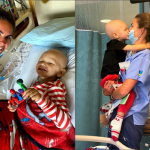
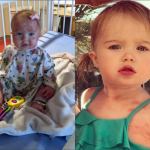
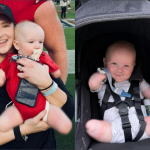
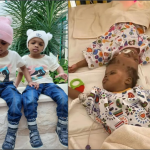
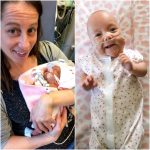
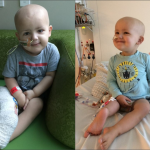
PARENTS EXPECTED A HEART CONDITION — BUT BABY GRIFFIN WAS ALSO DIAGNOSED WITH RARE GOLDENHAR SYNDROME, AFFECTING HIS FACE, EAR AND HEARING
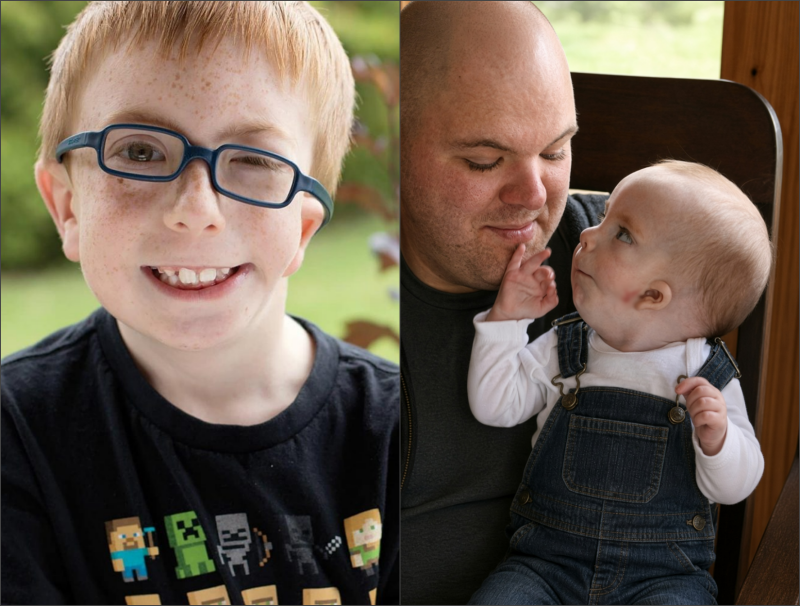
When Jessica and Johnny discovered that their unborn son Griffin had a heart condition, they knew their family’s journey might be different from what they had imagined. But nothing could have prepared them for everything they would learn after his birth.
During pregnancy, doctors diagnosed Griffin with Tetralogy of Fallot, a congenital heart condition. However, shortly after he arrived, the medical team discovered that his challenges extended far beyond his heart.
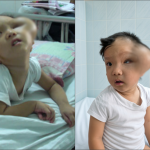
Griffin was eventually diagnosed with Goldenhar syndrome, a rare congenital condition that can affect the development of the face, ears, spine and other parts of the body.
His father, Johnny, recalled the uncertainty surrounding those first days: “We knew in utero he had Tetralogy of Fallot, his heart condition. But after a couple of days after he was born, we realised that it wasn’t just his heart. There were other things going on.”
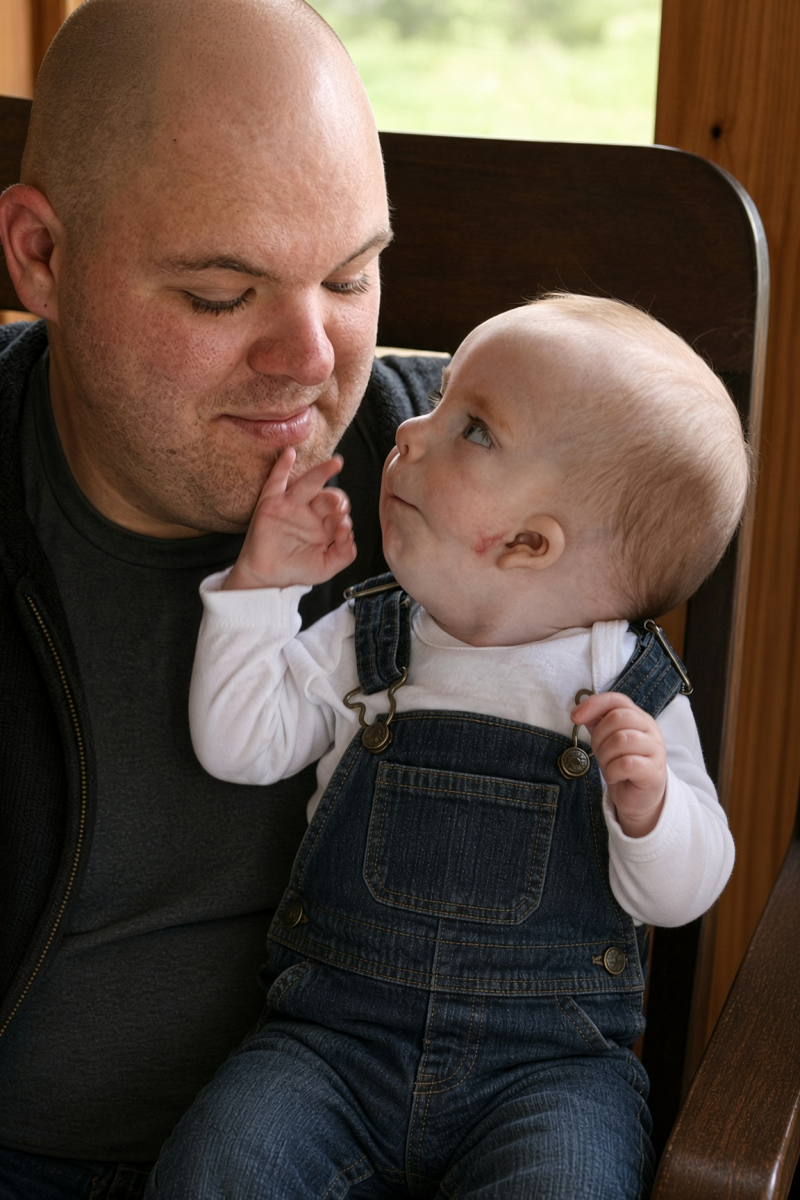
The diagnosis brought a long journey of medical appointments, procedures and specialist care. Yet, through it all, Griffin would go on to teach his parents something they never expected: that being different does not mean being unhappy.
A JOURNEY WITH MANY CHALLENGES
Goldenhar syndrome affects every child differently. In Griffin’s case, the condition affects one side of his body.
He was born with an underdeveloped left ear and missing internal ear structures, including his cochlea, leaving him completely deaf on that side. His left jaw is also underdeveloped, giving his face an asymmetrical appearance.
Alongside these differences, Griffin lives with Tetralogy of Fallot, scoliosis and a condition affecting the development of his left thumb.
His mother, Jessica, explained that managing the different aspects of his condition has meant countless hospital visits and appointments with specialists.
“The hardest things we’ve had to face are probably navigating and juggling appointments. With the list of things he has to deal with come a lot of clinics, specialists and surgeons, so we’re in a doctor’s office a lot,” she said.
For Jessica and Johnny, the journey has not always been easy. But their perspective on life had already been shaped by an experience that came before Griffin was born.
Jessica had suffered a miscarriage before becoming pregnant with him. That loss made the moment they finally welcomed their son all the more precious.
“We felt that because we had just suffered a loss with the miscarriage, he was here and he was alive, and he was relatively healthy even though he had all of these things on his plate,” Jessica recalled.
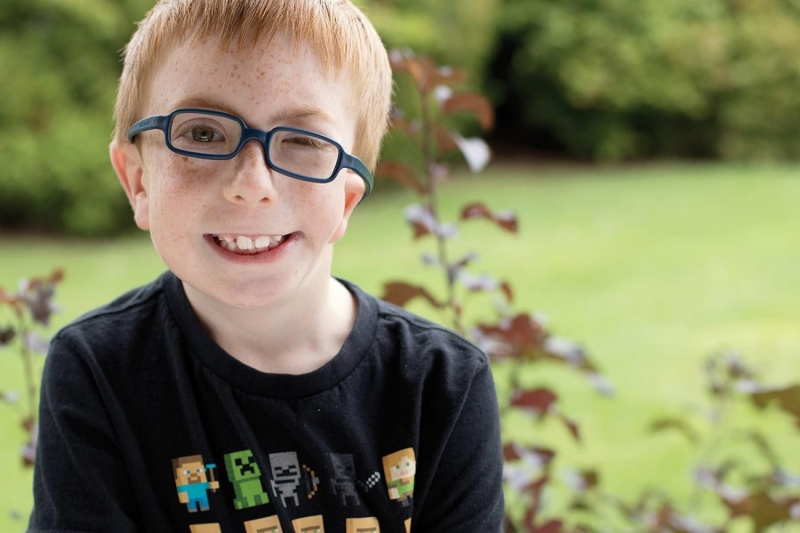
“We’re thankful for all of it because he’s here and he’s with us.”
‘WELL, THAT’S JUST WHAT I DO’
Perhaps the most remarkable thing about Griffin is not the number of challenges he has faced, but the way he sees himself.
Jessica once spoke with her sister about how some people felt sorry for Griffin because of his facial differences and the medical care he needed.
When Griffin overheard the conversation, he turned to his mother and asked a simple question: “Why?”
Jessica explained that some people felt sad because he looked different and had to go through surgeries, tests, procedures and countless appointments.
But Griffin’s response left her with a memory she would never forget.
He simply shrugged his shoulders and replied: “Well, that’s just what I do.”
For Griffin, hospital visits and medical procedures were simply part of his everyday life. They were not reasons to feel sorry for himself or to believe that he was any less than anyone else.
Jessica said his attitude had become a source of joy for the entire family.
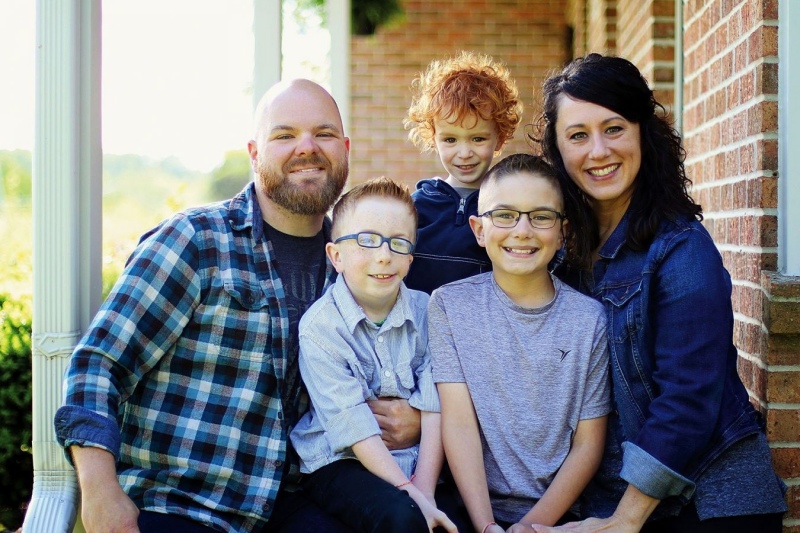
“He is the joy because his attitude is absolutely everything. He advocates for himself and is so comfortable in his skin. He just owns who he is. That makes our entire life joyful. We do not see this diagnosis as a bad thing,” she said.
FINDING A FAMILY WHO UNDERSTANDS
In the early days following Griffin’s diagnosis, Jessica and Johnny largely kept to themselves. Although they knew organisations could connect them with families facing similar experiences, they did not initially feel the need to reach out.
That changed when they attended a family retreat last summer, where Griffin had the opportunity to meet other children with similar experiences.
For him, it was a wonderful chance to make new friends. For his parents, it became something much more meaningful.
“Johnny and I were overwhelmed meeting these families and parents who spoke our language. We didn’t know we needed this because we have a great support system, but it was like we had something in common. Making that connection was huge,” Jessica said.