MAD MAX (2026)
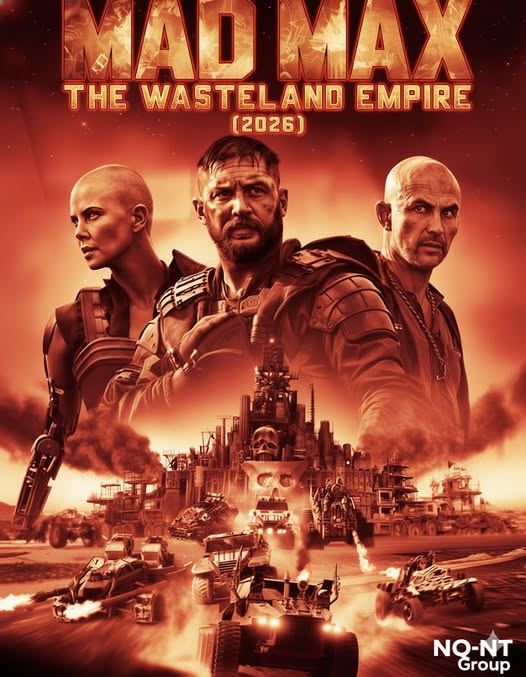
MAD MAX (2026) roars back across the wasteland with fire in its lungs and fury in its blood, proving that the road never ends—it only gets harsher. This new chapter doesn’t try to outdo Fury Road in scale; instead, it strips the saga down to its raw essence: survival, silence, and the violence of motion.
Max is more myth than man now—a ghost drifting through dust storms and broken civilizations. Words are scarce, but meaning is everywhere. The film leans into visual storytelling, letting engines, glances, and brutal choices speak louder than dialogue. Every mile traveled feels earned. Every battle feels desperate.
https://www.youtube.com/watch?v=fEzS8WH6O7k
Action remains ferocious and practical. Real stunts, real vehicles, real danger. The chases are chaotic yet precise, staged like mechanical ballets of steel and fire. There’s a renewed emphasis on close-quarters combat—hands, knives, and instinct—making the violence feel personal again.
What gives MAD MAX (2026) its soul is restraint. The film breathes between explosions, allowing the wasteland to feel vast and haunting. Themes of hope, burden, and reluctant heroism rise quietly beneath the roar. Max doesn’t seek redemption—he survives long enough to give others a chance at it.
Visually, the film is stunning: scorched horizons, toxic skies, and rusted empires collapsing under their own brutality. The sound design is thunderous yet controlled, while the score pulses like a dying heartbeat beneath the engines.
⭐ Verdict:
MAD MAX (2026) is savage, poetic, and uncompromising. A brutal road hymn for a broken world—where motion is life, and stopping means death. 🏜️🔥
Related movies :