FROZEN 3
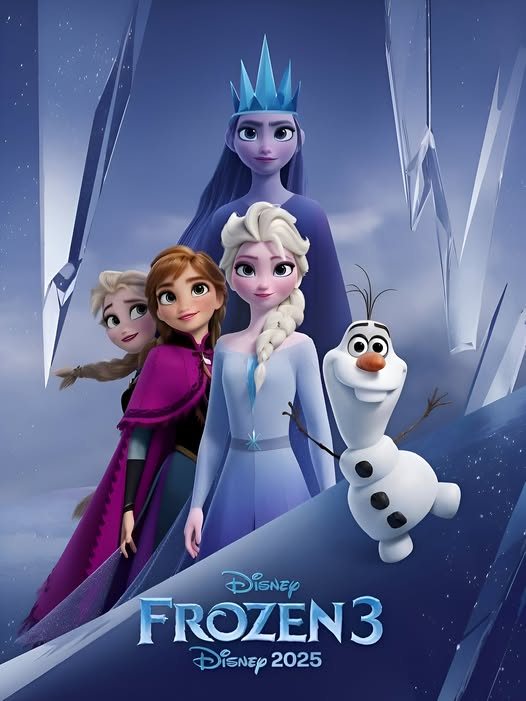
Frozen 3 doesn’t try to repeat the magic of its predecessors—it deepens it. Rather than chasing another catchy anthem or retelling a familiar journey of self-discovery, this chapter feels quieter, heavier, and more mature. It understands that Elsa and Anna are no longer searching for who they are. Now, they must decide what they are willing to protect—and what they may have to let go.
Visually, the film is stunning. The animation reaches a new level of emotional subtlety: ice no longer just sparkles, it breathes. Forests feel ancient, shadows feel symbolic, and Arendelle carries the weight of history. The color palette leans cooler and darker, reinforcing the film’s central tension—balance versus isolation. Elsa’s powers are portrayed less as spectacle and more as responsibility, while Anna’s leadership arc grounds the story with human warmth and resolve.
Narratively, Frozen 3 is more introspective. The conflict isn’t a clear villain, but a creeping imbalance between magic and the human world. This choice may surprise younger viewers, but it gives the story thematic depth. The film asks bold questions about legacy, coexistence, and the cost of harmony. Olaf still provides humor, but even his jokes carry a bittersweet awareness of change. Kristoff, meanwhile, finally steps into a role that feels purposeful rather than supportive.
Musically, the songs are fewer but emotionally sharper. Instead of instant earworms, they unfold slowly—melodies that linger after the credits roll. One standout ballad centered on Elsa’s solitude may not dominate playlists, but it resonates deeply.
Final Verdict:
Frozen 3 is not the loudest entry in the franchise—but it may be the most meaningful. It grows with its audience, embracing complexity, maturity, and emotional risk.
Related movies :