FANTASTIC BEASTS 4 (2025)
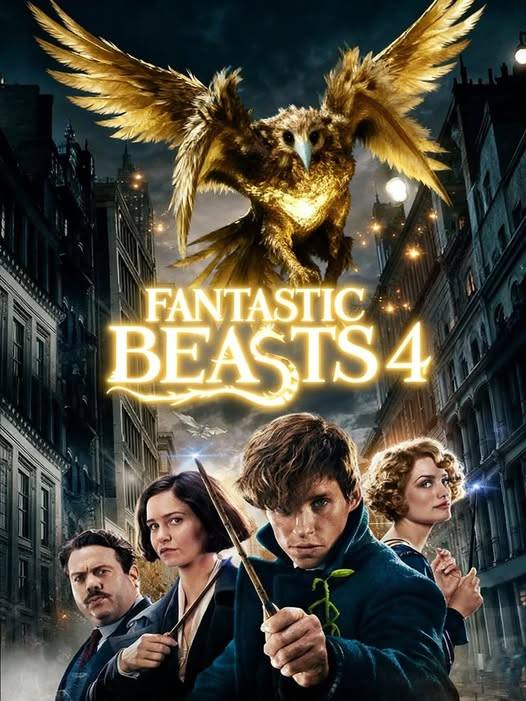
Fantastic Beasts 4 feels less like a spin-off and more like a long-overdue course correction. After the uneven reception of earlier entries, this chapter narrows its focus—and that turns out to be its greatest strength. The film finally understands that spectacle alone isn’t enough; it needs emotional clarity, narrative urgency, and a clear destination within the Wizarding World timeline.
The story leans heavily into the escalating shadow war between Dumbledore and Grindelwald. Politics, fear, and manipulation take center stage, giving the film a darker, more grounded tone. The wizarding world no longer feels whimsical—it feels fragile. This shift works. The stakes are clearer, the consequences sharper, and the moral lines more unsettling. Magic here is no longer wonder; it’s power.
Newt Scamander returns as the emotional anchor, quieter than before but more resolute. His compassion contrasts beautifully with the growing brutality of the world around him. Dumbledore is portrayed with greater restraint and inner conflict, while Grindelwald finally feels like a fully realized threat—charismatic, terrifying, and disturbingly persuasive. Their ideological clash is the film’s strongest element.
Visually, Fantastic Beasts 4 is confident and atmospheric. Gone is the visual clutter; in its place are moody compositions, controlled action, and magical creatures that feel purposeful rather than decorative. The beasts serve the story again, symbolizing innocence caught in the crossfire of human ambition.
The pacing is tighter, though still dialogue-heavy in places. Some subplots feel underdeveloped, but the film benefits from its seriousness and thematic focus. It’s less concerned with nostalgia and more interested in consequence.
Final Verdict:
Fantastic Beasts 4 doesn’t fully recapture the wonder of early Wizarding World magic—but it delivers something arguably more important: direction. It’s darker, smarter, and finally feels essential.
Related movies :