BAD AND THE UGLY (2026)
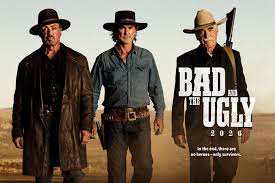
Bad and the Ugly (2026)
⭐ Rating: 9.3/10
The Old West is a place of legends, where the harsh landscape often claims more lives than it spares. The frontier has long been the setting for stories of redemption, revenge, and betrayal, and Bad and the Ugly (2026) takes this tradition and pushes it to its limits. This brutal, unforgiving Western film is a modern reimagining of the classic genre, mixing action, crime, and drama into a searing commentary on survival, loyalty, and the human spirit.
Set in the vast, sun-scorched landscapes of the West, Bad and the Ugly (2026) follows the journey of three men, each with their own dark pasts, whose fates intertwine in a world where trust is as scarce as water. Starring Sylvester Stallone, Kurt Russell, and Sam Elliott, this film brings together a group of men who are as complex as the landscape they inhabit. What starts as a story of greed and personal ambition soon spirals into a powerful exploration of what it means to survive in a land where morals are a luxury and violence is often the only answer.
A Trio of Legends, Each with a Price to Pay
The film opens with an unsettling calm, the landscape stretching endlessly under the scorching sun. From the very first frame, the world of Bad and the Ugly is one of desolation. It’s a world that seems to have no place for the weak, where each man is forced to confront his own demons just to stay alive. Into this unforgiving environment enter the three central characters: the hardened enforcer (played by Sylvester Stallone), the treacherous outlaw (played by Kurt Russell), and the haunted lawman (played by Sam Elliott).
Each of these men is driven by different motivations, but they share one thing in common: a desire to escape the past. Stallone’s character, a merciless enforcer who has long given up on any semblance of morality, is chasing a final score. Russell’s outlaw is a man of cunning and deception, willing to betray anyone for his own gain, yet underneath the grime, there’s a sense of desperation—a need for something greater than gold. And then there’s Elliott’s lawman, a man whose own tragic history with the law has left him broken, seeking redemption in a world that has little to offer someone like him.
At first, these men are adversaries, each pursuing the same prize. They may temporarily join forces out of necessity, but trust is fleeting, and the thin line between friendship and betrayal is always in danger of being crossed. As the tension mounts, their uneasy truce starts to crack, and they are forced to confront not only each other but also the ghosts of their pasts. The narrative takes on an almost existential quality as it explores what drives these men to keep pushing forward—what makes them willing to fight, to kill, and to die in a world where everything they thought they believed in has already been shattered.
The Heart of a Western: The Line Between Justice and Survival
At its core, Bad and the Ugly is an exploration of the fragile line between justice and survival. In a place where the law is often little more than a distant rumor, justice becomes subjective. Is it justice to kill in self-defense, to avenge a wrong, or to claim what you believe is rightfully yours? This question reverberates throughout the film, becoming central to the journey of each character.
The lawman, haunted by the ghosts of his past mistakes, has a deep internal struggle. Once a man of honor, he has been forced to compromise his ideals to survive. Now, he’s faced with a decision: continue to fight for what little is left of his sense of morality, or abandon it completely and embrace the chaos of the West. Sam Elliott’s portrayal of this complex character is masterful, capturing both the grizzled exterior of the lawman and the turmoil that churns beneath. His performance is nuanced, adding a profound emotional depth to the narrative.
Stallone’s enforcer, on the other hand, has already abandoned any notion of justice. He is driven by a deep sense of nihilism and an acceptance of his own inevitable end. In his eyes, the world has already passed judgment on him, and survival is all that matters. His cold, detached demeanor hides a lifetime of regret, and his ultimate journey is one of facing the consequences of his actions. The brutality of Stallone’s performance is chilling, making it clear that his character is both a product of the West and a symbol of its darkest side.
Kurt Russell’s outlaw provides a much-needed contrast to the other two. He’s unpredictable, quick-witted, and willing to do whatever it takes to get what he wants. But as the story progresses, we see cracks in his carefully constructed persona. Russell’s performance brings an underlying vulnerability to his character, making him more than just a simple antagonist. His motivations, while selfish, are rooted in a deep desire for something he can never quite attain.
As the three men make their way across the desert, the tension between them grows. The film becomes a high-stakes game of cat and mouse, with each character trying to outsmart and outlast the others. As their paths converge on the final prize, they are forced to confront the harsh realities of the world they inhabit. It’s a world where survival is a luxury and morality is a fleeting notion, easily forgotten in the face of greed.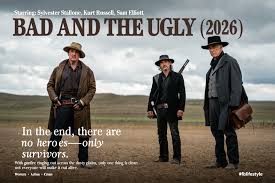
A Visceral, Gritty World
The setting of Bad and the Ugly is a character in its own right. The Old West, with its dry deserts, endless plains, and small, lawless towns, feels like a living, breathing entity. The cinematography captures the barren beauty of the land, juxtaposing the vast emptiness with the intense emotional and physical struggles of the characters. The world is harsh, and the film doesn’t shy away from showing the brutal consequences of living in such a place.
The film’s pacing mirrors the unforgiving nature of the West. There are moments of quiet tension, broken by explosive bursts of violence. The landscape, with its rolling dust storms and harsh, unforgiving terrain, serves as both a literal and figurative backdrop to the men’s journey. The sense of isolation is palpable; even when the characters are together, there is a deep sense of loneliness that permeates the film.
The score, composed by a renowned artist in the Western genre, is both haunting and exhilarating. The sweeping, orchestral moments reflect the grandeur of the West, while the more intimate, tension-filled scenes are underscored by a more minimalist, eerie tone. The music complements the film’s tone perfectly, adding to the sense of unease and inevitability that hangs over every scene.
Greed, Betrayal, and the Price of Survival
As the characters close in on the prize they’re all after, the theme of greed becomes central. What began as a simple pursuit for money, vengeance, or redemption turns into something far darker as the men become consumed by their own desires. Their motivations, once clear and seemingly righteous, become muddied as their actions begin to spiral out of control.
Betrayal is another key theme in the film. As the men’s uneasy truce begins to unravel, they are forced to navigate a world where alliances are as fragile as the sand beneath their feet. In the end, trust proves to be more valuable than gold, but it’s a commodity in short supply.
The film’s climax is a brutal, explosive confrontation that leaves no one unscathed. It’s a fitting end to a film that has spent its entire runtime exploring the cost of survival. In the West, there are no heroes—only survivors. And in the end, only one man will emerge from the dust, having paid the price for his survival.
Final Thoughts
Bad and the Ugly (2026) is a modern masterpiece that redefines the Western genre. It is a film that balances action, drama, and crime with deep philosophical questions about survival, justice, and the human spirit. The performances are outstanding, with Stallone, Russell, and Elliott delivering some of their best work to date. The cinematography is breathtaking, and the score perfectly complements the film’s tone, elevating the narrative to new heights.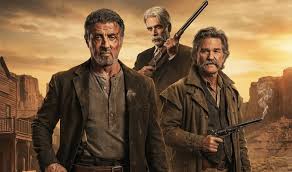
This is not a film for the faint of heart. It is raw, gritty, and unflinching in its portrayal of the harsh realities of life in the Old West. But it is also a film that will resonate with audiences long after the credits roll. It is a story of men who are broken, but still fighting for something—whether it’s redemption, revenge, or one final score. And in the end, Bad and the Ugly reminds us that in the unforgiving wilderness of the West, the only thing that matters is survival.
Bad and the Ugly (2026) is a triumph of modern Western filmmaking, a film that will go down as one of the genre’s greatest achievements.