Cheaper by the Dozen 3
- DuongNgocAnh
- January 22, 2026
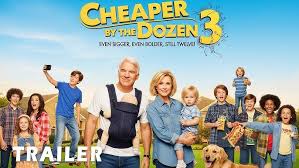
Cheaper by the Dozen 3: Grandparent Mayhem (2026)
Comedy, Family, Reunion, Chaos
Starring: Steve Martin, Bonnie Hunt, Hilary Duff, Tom Welling, Piper Perabo
A Hilarious Return to the Family Chaos
There are few things more relatable than the pandemonium of family life, and Cheaper by the Dozen 3: Grandparent Mayhem (2026) serves as the latest installment in this beloved franchise. While many family comedies seem to veer into predictable territory, this film stands out not just for its slapstick humor but also for the depth it brings to the portrayal of family dynamics—chaotic, messy, and above all, full of love. Directed by a seasoned hand in family-centric comedy, the film is a delightful and uproarious return to the world of Tom (Steve Martin) and Kate (Bonnie Hunt), whose lives have never been as calm as they had hoped. In fact, as the title suggests, they’re about to face “Grandparent Mayhem,” and there’s no escaping the craziness that ensues.
The Return of the Beloved Family
After years of raising twelve rambunctious children, Tom and Kate thought they could finally enjoy a peaceful and well-deserved retirement. The kids have grown up, spread out, and made lives of their own—everything seemed perfect for a quiet summer. But as many parents quickly learn, peace and quiet are fleeting when the family unit reunites. In this case, their children, now adults with their own kids, decide to descend on their parents’ home for a summer of family bonding and, inevitably, havoc.
Steve Martin’s return as Tom, the overwhelmed patriarch, is nothing short of comedic brilliance. His character has always been at the heart of the franchise, and in this third installment, Martin’s performance brings an authentic sense of exhaustion, exasperation, and humor. From the moment the first child—grown-up and now accompanied by their own kids—arrives at Tom and Kate’s doorstep, it’s clear that any hope for tranquility has long since vanished. Tom’s efforts to hold the family together as the perfect host are met with constant interruptions, miscommunications, and a cascade of hilarious incidents that send the film spiraling into a whirlwind of chaos.
Kate, played once again by Bonnie Hunt, is Tom’s equal in handling the pandemonium that’s about to unfold. Kate is the voice of reason, always trying to hold things together, but even she is swept up in the madness. Whether she’s dealing with her grandchildren’s antics or trying to referee the constant sibling rivalry between her grown-up children, Kate proves to be the calm in the storm—most of the time. Bonnie Hunt’s delivery brings heart to the role, ensuring that Kate’s reactions to the out-of-control situation are both funny and relatable.
The Grown-Up Kids and the Chaos They Bring
The ensemble cast, including Hilary Duff, Tom Welling, and Piper Perabo, injects a fresh dynamic into the family reunion. Each of the twelve adult children is now an individual with their own quirks, challenges, and families, and they bring with them a series of new complications that Tom and Kate never anticipated.
Hilary Duff, returning as Lorraine, the eldest daughter, is the picture of adulthood but still finds herself at odds with her younger siblings over the same old rivalries that have lasted since childhood. As the family gathers, the tension between the siblings grows, with everyone vying for their parents’ attention. Hilary Duff’s charm shines through, delivering a performance that combines the nostalgia of the first two films with the maturity of her character’s current life.
Tom Welling, playing Charles, the second-oldest son, brings a bit of a different dynamic as a grown man who feels the weight of responsibility, but is also prone to humorous missteps. Whether he’s trying to take charge of family activities or subtly steering Tom and Kate into retirement oblivion, Welling’s performance effortlessly complements the established family dynamic.
Meanwhile, Piper Perabo plays Grace, a new addition to the family as one of Tom and Kate’s daughters-in-law. Her presence creates additional tension, as she finds herself caught in the middle of the family’s growing chaos. Perabo brings a sharp wit and an emotional depth that adds a layer of complexity to her character, showcasing a refreshing take on the dynamics of large, blended families.
As the film progresses, the audience is introduced to a growing cast of characters, each with their own comedic flaws and relatable quirks. The adults all carry baggage—whether it’s unresolved childhood drama or difficulties in balancing their own family lives—and it all boils over as they clash over decisions, memories, and even the most trivial of disagreements. The film’s genius lies in its portrayal of these moments, as it captures both the absurdity and tenderness of family reunions.
A House Overrun by Chaos
With a house full of family members, the chaos never stops. The grandkids have their own adventures, turning Tom and Kate’s home into a never-ending circus of hijinks. There’s the traditional family barbecue that’s a culinary disaster, the DIY project that goes horribly wrong, and, of course, the obligatory family game night that turns into a full-blown competition. Throughout it all, Steve Martin’s Tom is on the brink of a breakdown, attempting to keep things together while his patience is worn thin by every spilled drink, broken vase, and loud argument.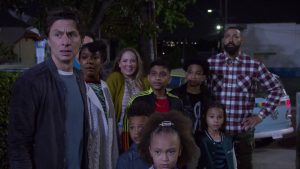
However, it’s not all slapstick humor and wild antics. Amidst the chaos, the film also explores the deeper emotional layers of family life. The siblings, once estranged by the typical growing pains of adulthood, find themselves reconciling their pasts, revisiting childhood wounds, and ultimately rediscovering the importance of family. The emotional depth adds weight to the laughter, making the film’s climax—when everything finally comes to a head—feel genuinely heartfelt.
In one particularly touching moment, Tom and Kate share a quiet scene together, reflecting on how far they’ve come and the love they have for their chaotic, growing family. This moment serves as a reminder of why, despite the noise, the mess, and the overwhelming nature of it all, family is worth the effort. It’s a beautiful moment in the film that softens the comedy and offers a heartfelt message about the ties that bind us.
The Family Rivalry: A Laughable Yet Relatable Conflict
One of the central themes of Cheaper by the Dozen 3 is sibling rivalry. As much as the characters have grown up and moved on with their lives, there’s an undeniable, often hilarious, sense of competition that remains. From who gets to sit at the “adult table” to who gets the biggest piece of cake, the tensions between siblings create some of the funniest moments in the film. The movie capitalizes on this rivalry, using it to fuel much of the humor, while also addressing how family dynamics often don’t change just because we age.
There’s also a strong sense of nostalgia that runs through the story, as each adult child is forced to face their past—whether it’s the sibling who still holds a grudge or the one who yearns for the carefree days of childhood. These themes resonate with the audience, particularly those who have experienced similar family dynamics. It’s easy to recognize yourself in the film’s exaggerated moments of familial tension and the bittersweet longing for the simpler times of the past.
Family Bonds and Personal Growth
Despite all the chaos, Cheaper by the Dozen 3 is ultimately about family bonding. As the chaos escalates and the conflict peaks, the family members begin to realize that their strength lies in their ability to come together. The film uses humor as a tool to demonstrate the importance of supporting one another, even in the midst of the most frustrating and overwhelming moments.
Through slapstick humor and larger-than-life personalities, the film delivers a timeless message: family is messy, loud, and sometimes frustrating, but it’s also where we find love, laughter, and unconditional support. Each character has a chance to grow, to forgive, and to come to terms with their past.
The Final Act: The Climax of Family Madness
As the film builds to its final act, the intensity of the chaos reaches new heights. Every character, from the youngest grandchild to the oldest sibling, has their moment of comedic brilliance, with the family home transforming into a battleground for love, laughter, and redemption.
In the end, it’s the love that binds this family together, not the chaos that threatens to tear them apart. As the family members confront their issues and let go of the petty conflicts that have built up over the years, the true message of the film shines through: that family is about understanding, acceptance, and shared history.
A Heartwarming Conclusion
Cheaper by the Dozen 3: Grandparent Mayhem delivers on every level. It’s funny, touching, and full of heart. Steve Martin, Bonnie Hunt, Hilary Duff, and the rest of the cast bring the family dynamic to life with authenticity and humor, reminding us all that the noise, the mess, and the chaotic love are what make life—and family—truly unforgettable.
As the final credits roll, the family’s chaos settles into a quiet but deeply satisfying conclusion. The laughter dies down, but the memories remain, leaving us with a reminder of what truly matters: the love and support of those we call family. Whether you’re a fan of the original films or new to the series, Cheaper by the Dozen 3 is an uproarious, heartwarming celebration of the familial bond.
Rating: 4.5/5