
THE EXPENDABLES 6
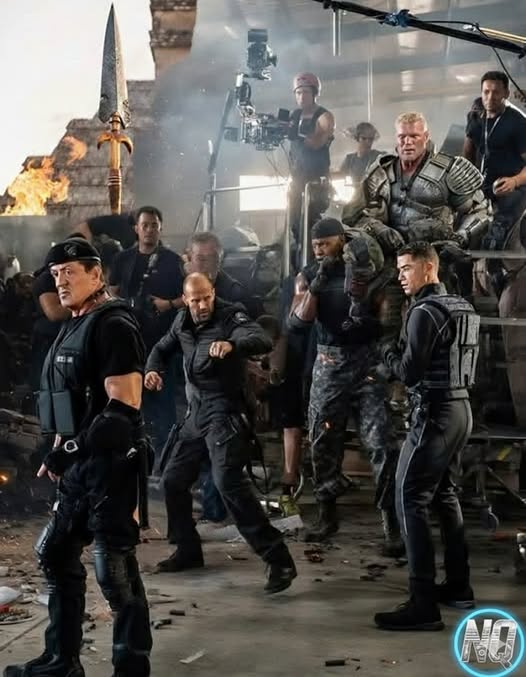
The Expendables 6 doesn’t pretend to reinvent action cinema.
It exists for one reason only — to remind you how loud, ridiculous, and gloriously indestructible old-school spectacle can still feel.
From its opening set-piece, the film detonates into a familiar rhythm: collapsing compounds, roaring helicopters, endless magazines, and bodies flying through fire like punctuation marks in a sentence written entirely in explosions. The franchise leans hard into its own legend, embracing excess instead of apologizing for it.
What makes The Expendables 6 surprisingly effective is its self-awareness. The veterans are no longer framed as unstoppable gods — they are framed as professionals who know exactly how temporary their dominance is. The jokes land closer to weariness than swagger. The scars, both visible and unspoken, finally matter. There is a quiet understanding that every mission could be the last one that still makes sense.
The action choreography is deliberately blunt. Fights are wide, heavy, and mechanical — fists crash like broken machinery, knives hit with ugly efficiency, and gunfights feel closer to demolition work than ballet. The camera avoids over-polished cutting, letting the chaos breathe long enough for you to feel the physical cost of every impact.
The new antagonists are lean, ruthless, and technologically sharp — a deliberate contrast to the team’s analog brutality. Drones, satellite surveillance, and remote warfare turn the battlefield into something colder and less personal. The Expendables are relics of a world where enemies still stood in front of you.
But beneath the gunfire, The Expendables 6 is quietly about relevance.
About men who built their identities around violence — now fighting not just enemies, but the slow erasure of their usefulness.
Related movies :