ALL OF US ARE DEAD – SEASON 2
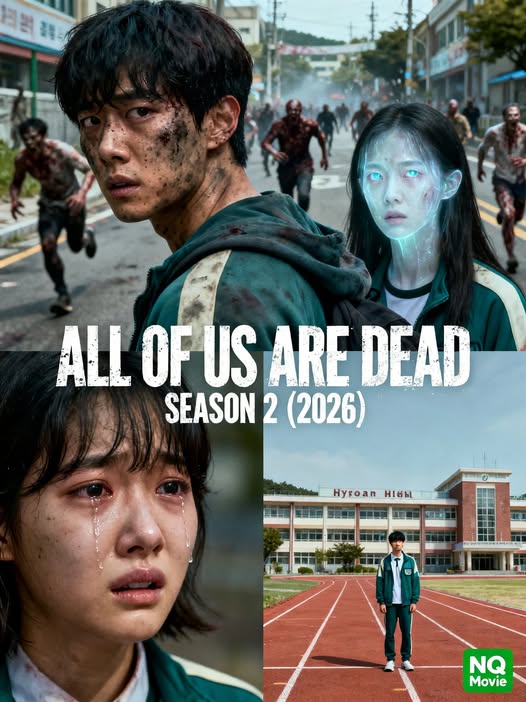
Season 2 of All of Us Are Dead continues the zombie outbreak story months after the destruction of Hyosan. Instead of repeating the high school survival formula, the new season expands the world and explores what happens after the initial chaos fades. The result is a darker and more psychologically intense continuation that shifts from pure survival horror into political thriller territory.
The story begins in a quarantined South Korea where the government claims the virus has been contained. However, survivors from Hyosan are still under observation due to possible asymptomatic traits. Society fears them, the military monitors them, and rumors spread that a new strain of the virus may be evolving. The narrative tension no longer comes only from being chased by zombies but from mistrust, secrecy, and the fear of mutation.
Nam On jo emerges as the emotional anchor of the season. She is no longer the frightened student from season one. Trauma has hardened her, but she still carries hope. Her internal conflict between moving on and holding onto the past gives the story emotional weight. Lee Su hyeok struggles with loyalty and morality as he faces difficult choices involving infected hybrids. If Cheong san returns in any capacity, his storyline is handled carefully to maintain suspense and emotional payoff rather than cheap shock value.
The concept of half infected individuals is expanded significantly. These characters are not fully human nor fully monstrous, creating moral ambiguity. The show raises uncomfortable questions about identity. If someone retains their memories and emotions but carries the virus, are they still human. This theme becomes central to the conflict as authorities consider extreme containment measures.
Action sequences are more intense and strategically staged. Instead of narrow school hallways, the setting now includes refugee camps, military facilities, underground tunnels, and abandoned city zones. The cinematography adopts colder tones, emphasizing isolation and desolation. Large scale shots of ruined urban areas contrast with claustrophobic close combat scenes.