AN UNDETECTED INFECTION AT 20 WEEKS CHANGED BABY LILYANNA’S STORY, LEAVING ONE MOTHER HEARTBROKEN
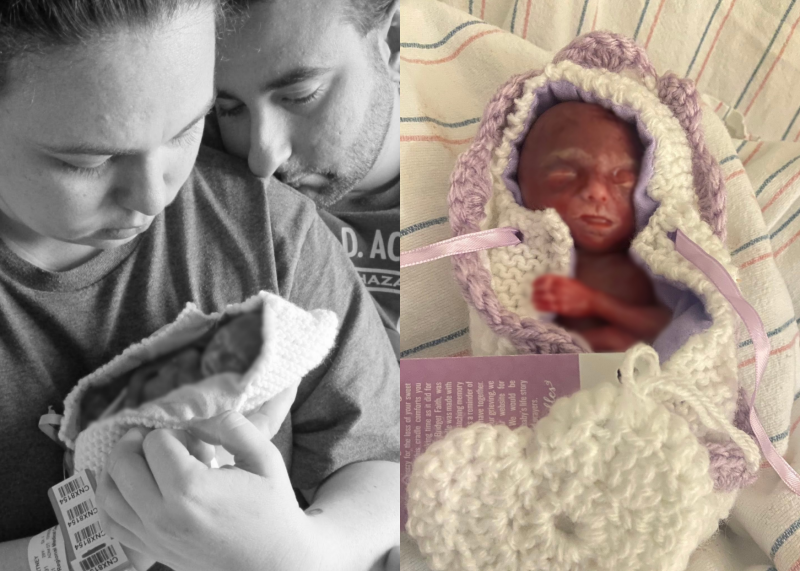
Just days after hearing that everything looked perfect at her 20-week pregnancy scan, one expectant mother’s world was turned upside down by a medical emergency she never saw coming.
On December 4, she attended her routine anatomy scan, where doctors told her that her baby girl, Lilyanna, appeared to be developing well. After months of excitement and anticipation, the reassuring appointment gave the family every reason to believe they would soon be welcoming a healthy daughter.
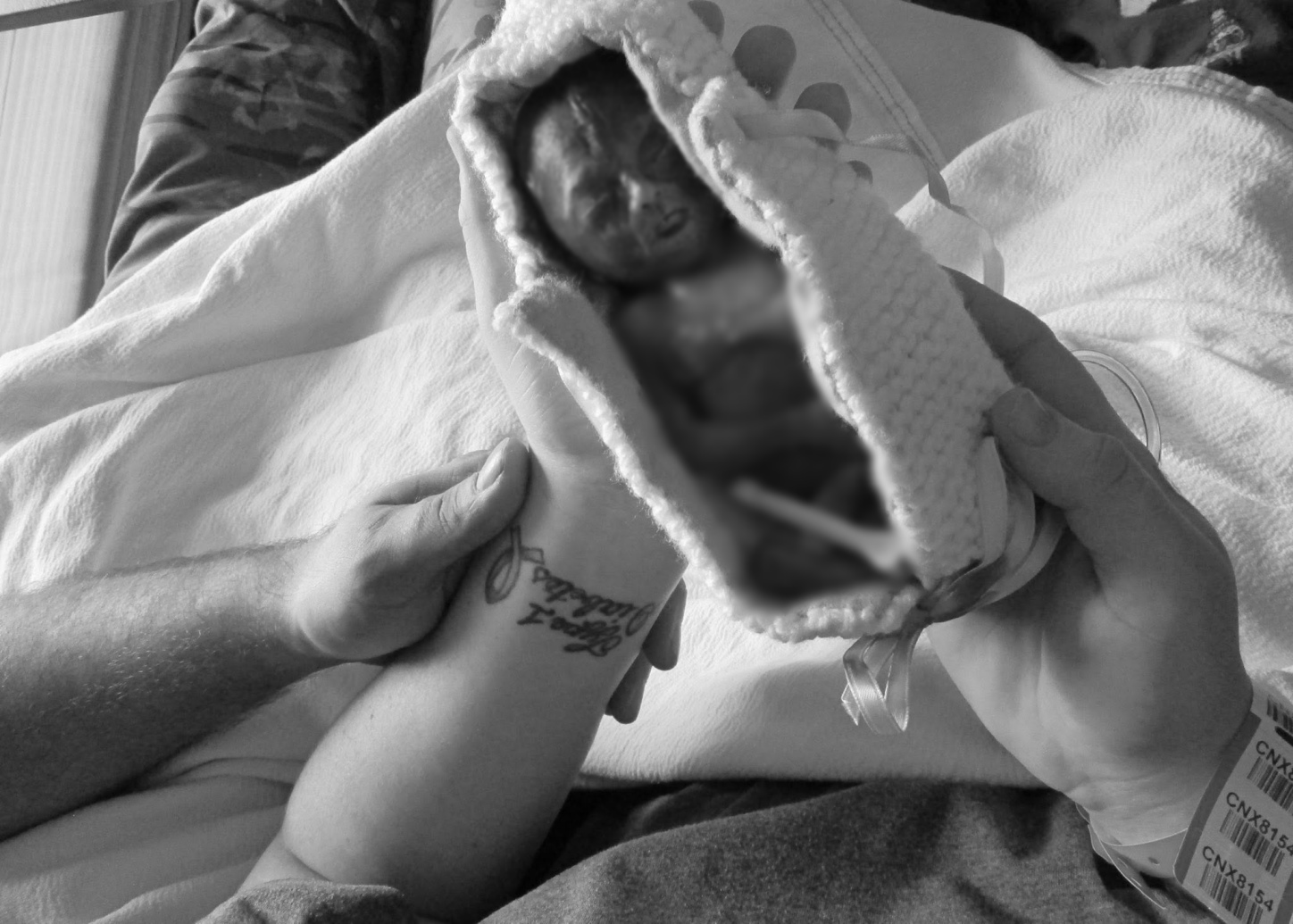
But only a few days later, everything changed when she returned home from work on Tuesday evening with a terrible headache and fever, and neither she nor her family could have anticipated the heartbreak that lay ahead.
After feeling sick and having a high temperature, her partner drove her to the emergency room, where she experienced nausea and vomiting — symptoms that were mistakenly interpreted as common pregnancy discomfort despite her worrying condition.
At that first hospital visit, despite labelling her paperwork with terms like “your pregnant and having symptoms that worry you”, the medical team did not perform an ultrasound or even a fetal Doppler check, tools that could have revealed fetal distress.
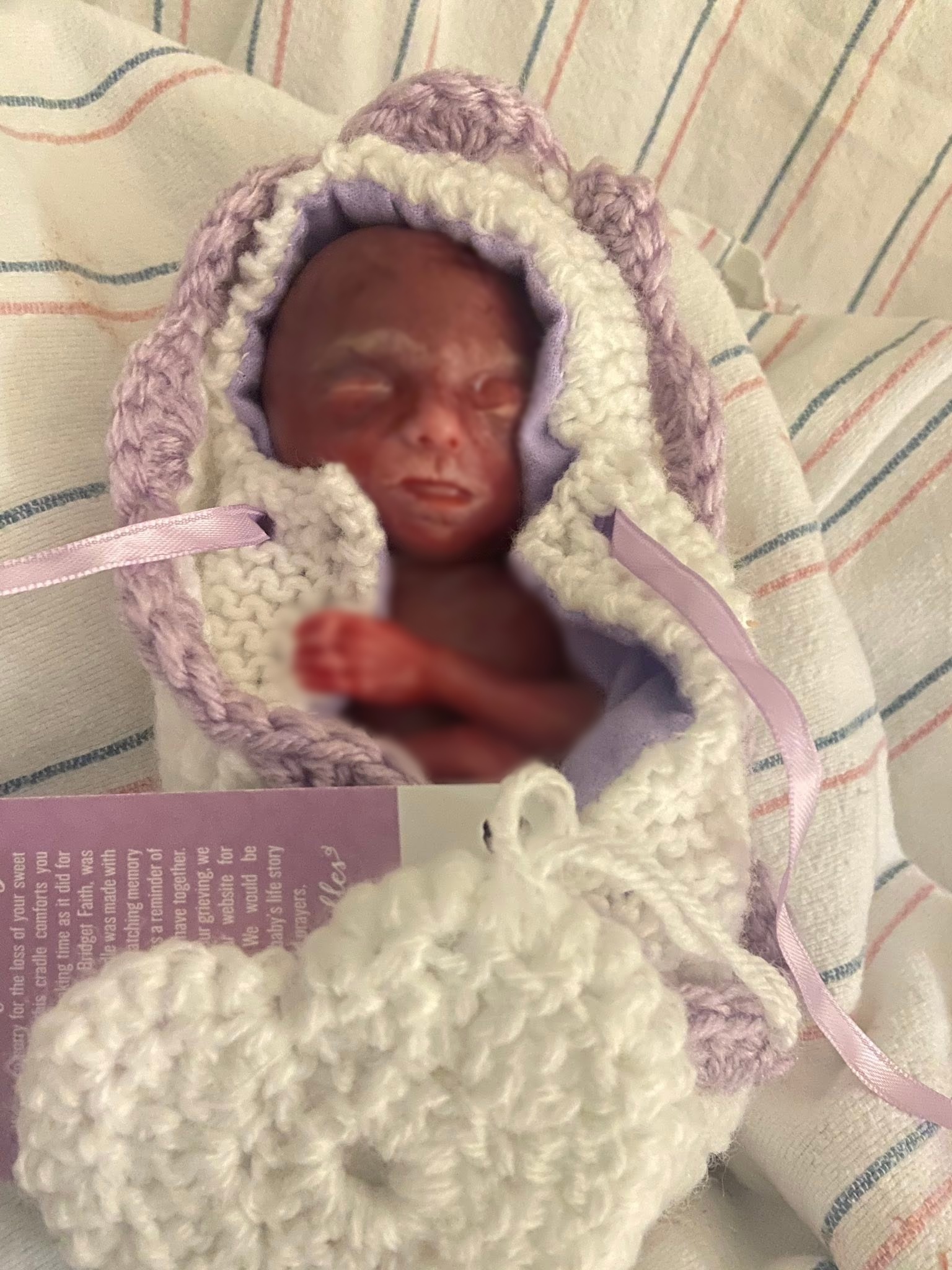
Instead, she received fluids and was discharged with little more than advice, a decision that would haunt her in the days to come.
She awoke the next morning still feverish, and when she noticed pink‑tinged fluid, she returned to the ER with her mother by her side — a visit that would change everything.
The second hospital performed an ultrasound in the ER, and in that moment, her worst fear was confirmed.
The ultrasound tech typed “NFHT” — no fetal heart tones — words that hit like a thunderbolt, and the mother screamed in sheer disbelief, realising in an instant that her daughter had died inside her.
The on‑call obstetrician, after only a brief exchange of words, simply said, “since you already know, we are moving you to labor and delivery.”
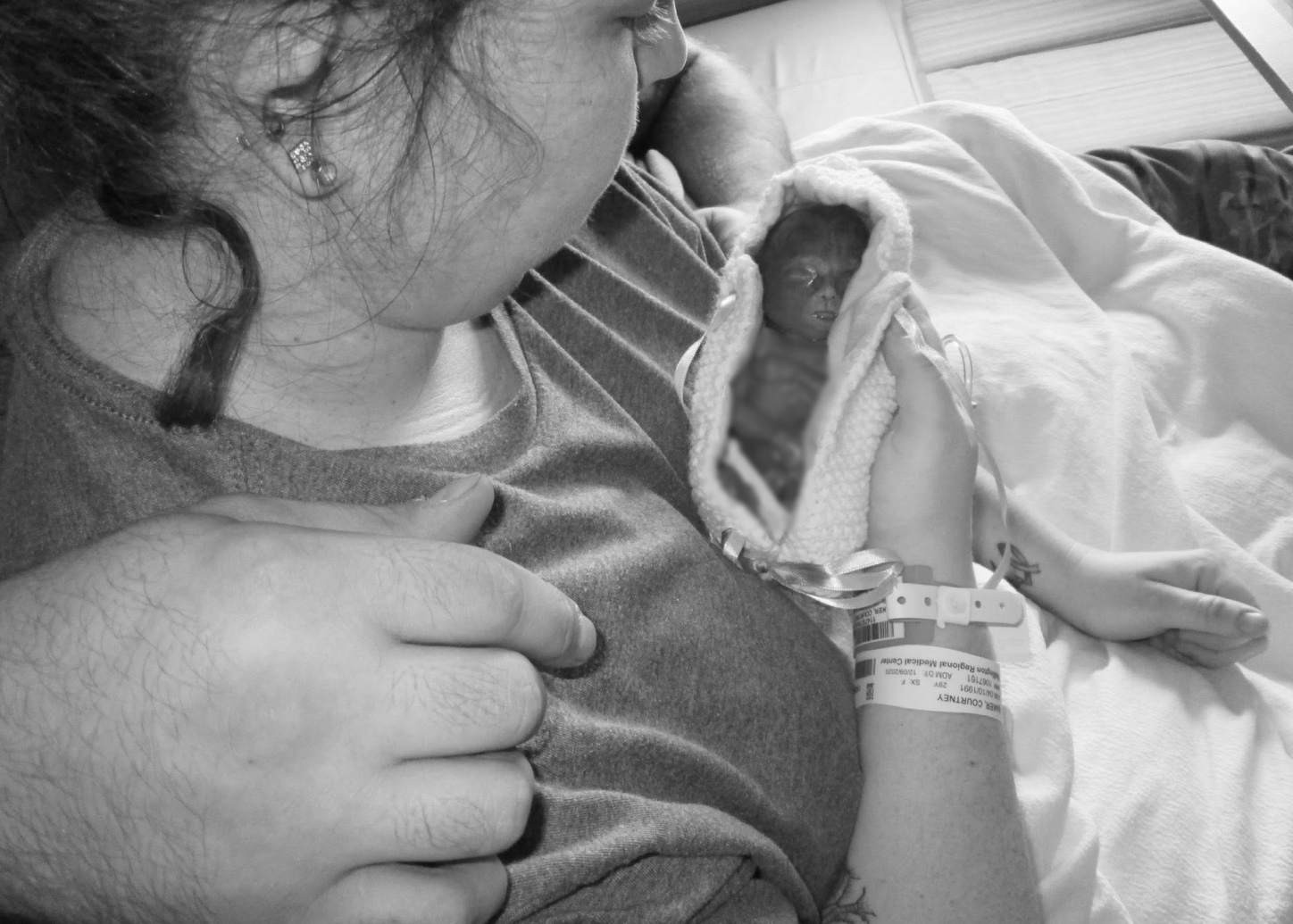
Lilyanna was delivered naturally at 9:04 p.m. that same night.
As her body emerged, her mother’s fever – a warning sign of a more serious infection – broken almost instantly.
When the medical team sent the placenta and amniotic fluid for testing, the results later confirmed what no parent ever wants to hear: there was a dangerous infection, both in the amniotic fluid and on the placenta itself, which had triggered the pregnancy loss and threatened maternal sepsis.
Medical literature notes that infections are a common cause of stillbirths, particularly before full term, and that when infection is present it often leads to spontaneous preterm delivery or worsening maternal health conditions.
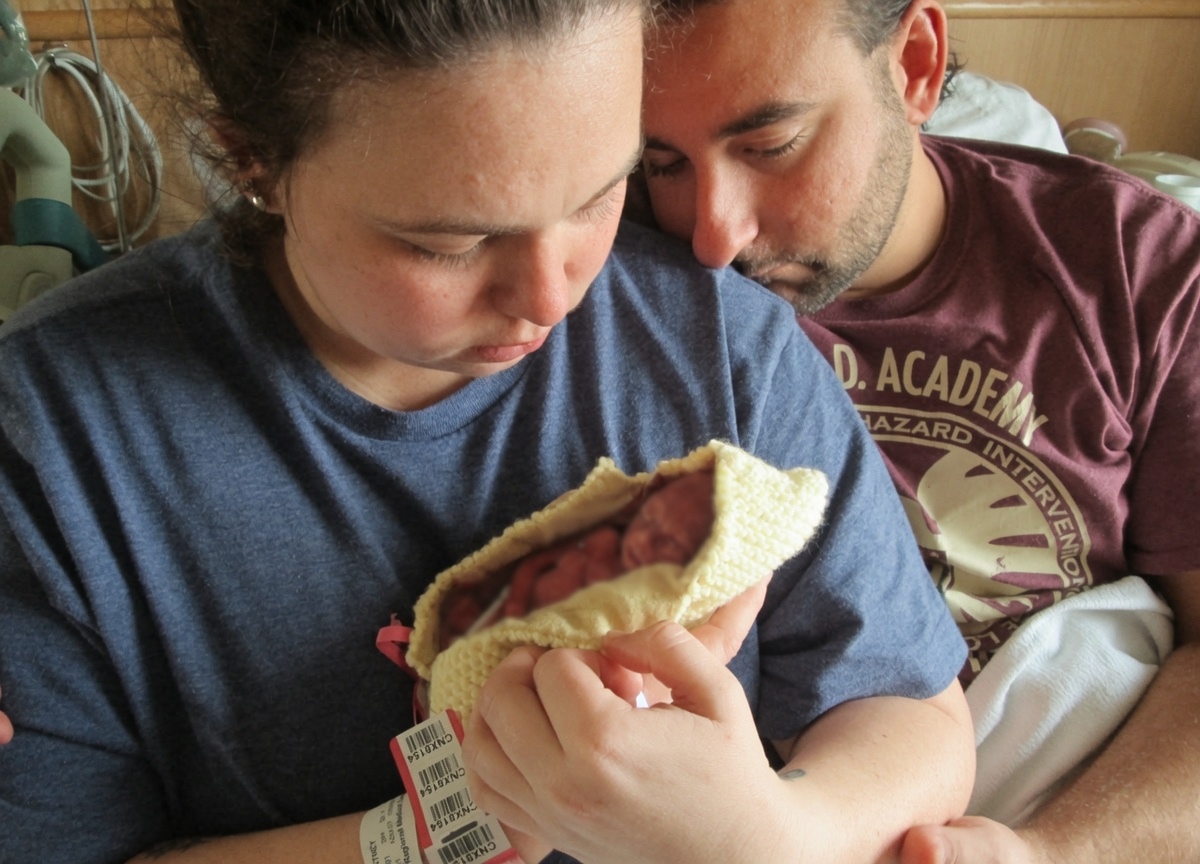
In developed countries, infections are responsible for a significant portion of stillbirths before 28 weeks, with some research estimating that up to 20% or more of such losses are due to infectious processes that harm the baby, the placenta, or both.
Bacterial infections such as Escherichia coli and Group B Streptococcus, as well as various viral pathogens, have been found in stillborn cases where intra‑amniotic infection was evident at autopsy.
For Lilyanna’s mother, every moment in the hospital that night and the memories that followed were imprinted with both sorrow and the knowledge that the infection went undetected long enough to cost her daughter’s life.
In the days after Lilyanna’s delivery, her parents made the deeply emotional decision to raise funds to donate another cuddle cot to a hospital that didn’t yet have one, ensuring other grieving families might be afforded the same comfort and dignity during their own times of heartbreak.