ONLY 138 CHILDREN ARE BELIEVED TO SHARE GABRIEL’S UNNAMED GENETIC SYNDROME, LEAVING THIS LITTLE BOY WITH A CONDITION MEDICINE CAN BARELY EXPLAIN
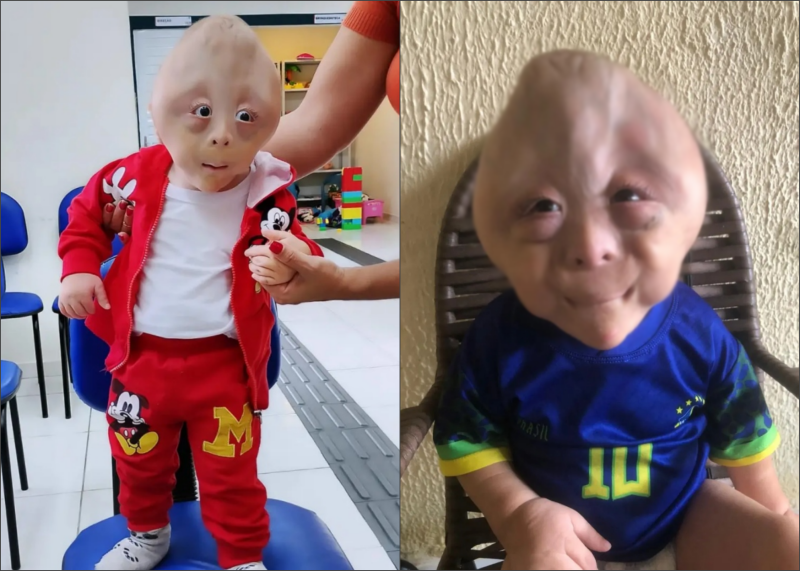
When Gabriel Esdras was still growing inside his mother, his parents were already being prepared for a difficult journey.
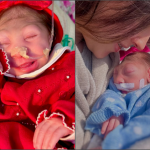
During the second detailed ultrasound, doctors discovered that their unborn baby had multiple abnormalities affecting his skull. The family was warned that Gabriel might not survive long after birth.
But when the little boy finally arrived, he surprised everyone.
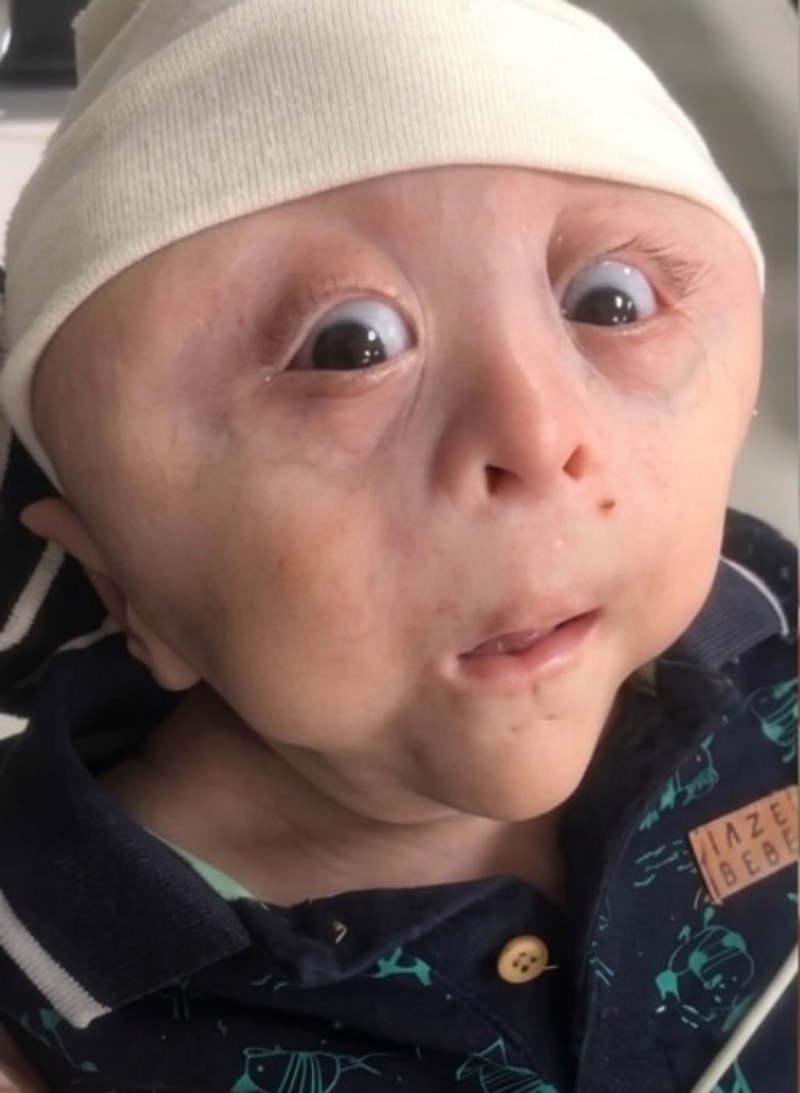
Against the fears surrounding his birth, Gabriel did not need breathing support. He was here — and he was ready to fight.
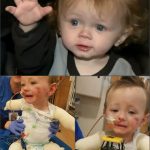
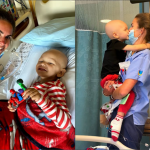
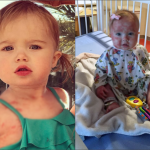
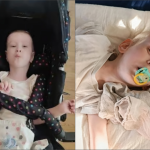
Now one year and four months old, Gabriel is living with an extraordinarily rare genetic condition that doctors say has been identified in only around 138 children worldwide. His syndrome does not even have an official name yet, leaving his parents with few answers about what the future may hold.
Doctors have diagnosed Gabriel with chromosomal abnormalities associated with multiple cranial malformations. One of the challenges he has faced since birth is that he cannot completely close his eyes because the skin around them is very tight. His parents carefully use eye drops and exercises to help protect and care for him.
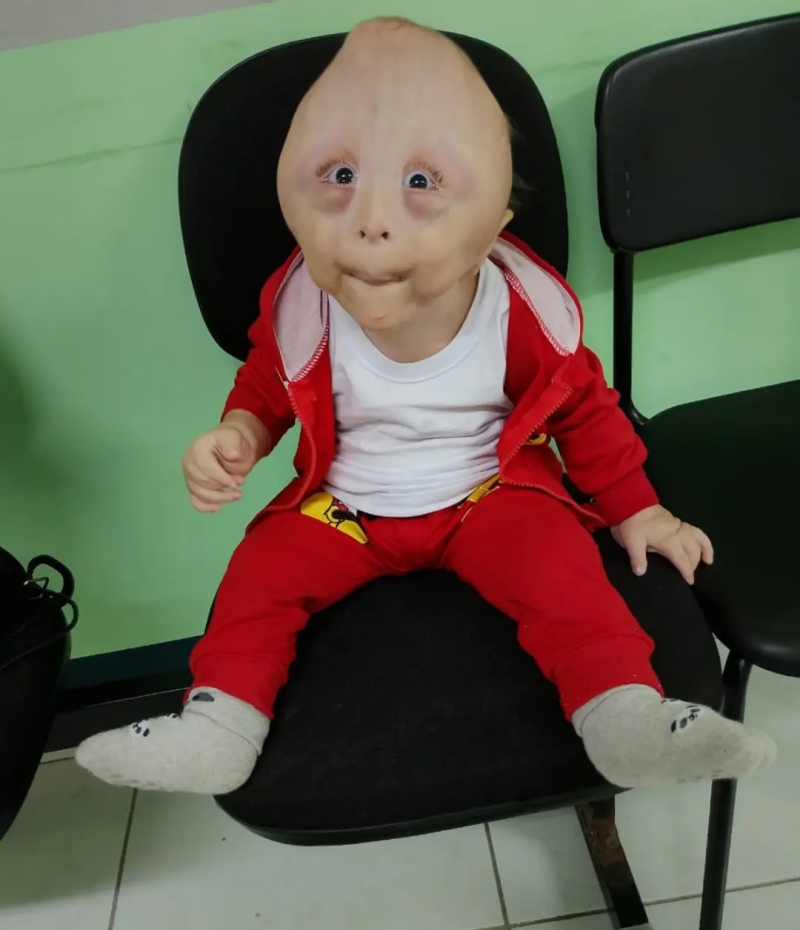
Yet despite everything, Gabriel continues to grow and develop.
“He is such a happy and loving child,” his mother Rita said. “He doesn’t turn away from people. When someone meets him, they are usually amazed by how sweet and friendly he is.”
His father, Michel Augusto, added: “The doctors told us his condition is so rare that there are only 138 children like him in the world. There isn’t even a name for the syndrome.”
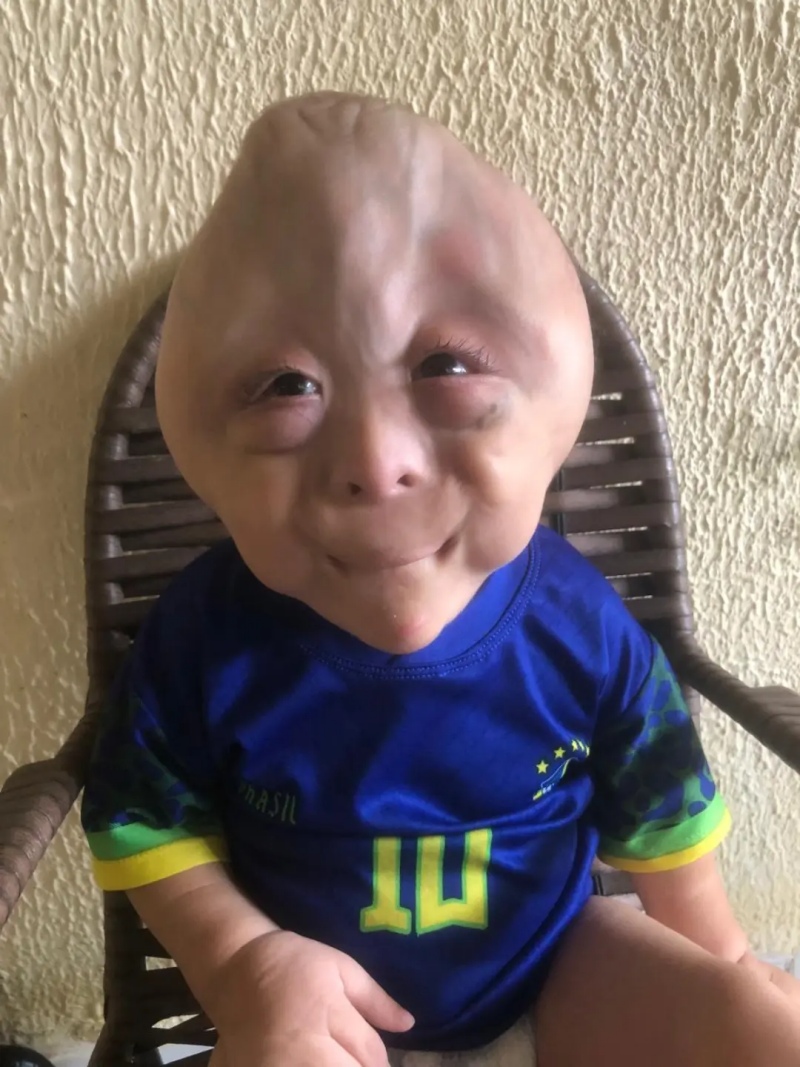
For Rita and Michel, raising Gabriel has meant navigating countless appointments, therapies and unanswered questions while caring for their other three children, including their six-year-old son Samuel, who is autistic.
The family has been receiving care through a rare-disease institution near their hometown of Bayeux, Paraíba. Gabriel attends physiotherapy there, but many of the specialists he needs require appointments with long waiting lists.
His parents are now using their growing social media community to ask healthcare professionals who may be able to help Gabriel access the multidisciplinary care he needs, including nutrition, orthopedics, neurosurgery and neurogenetics.
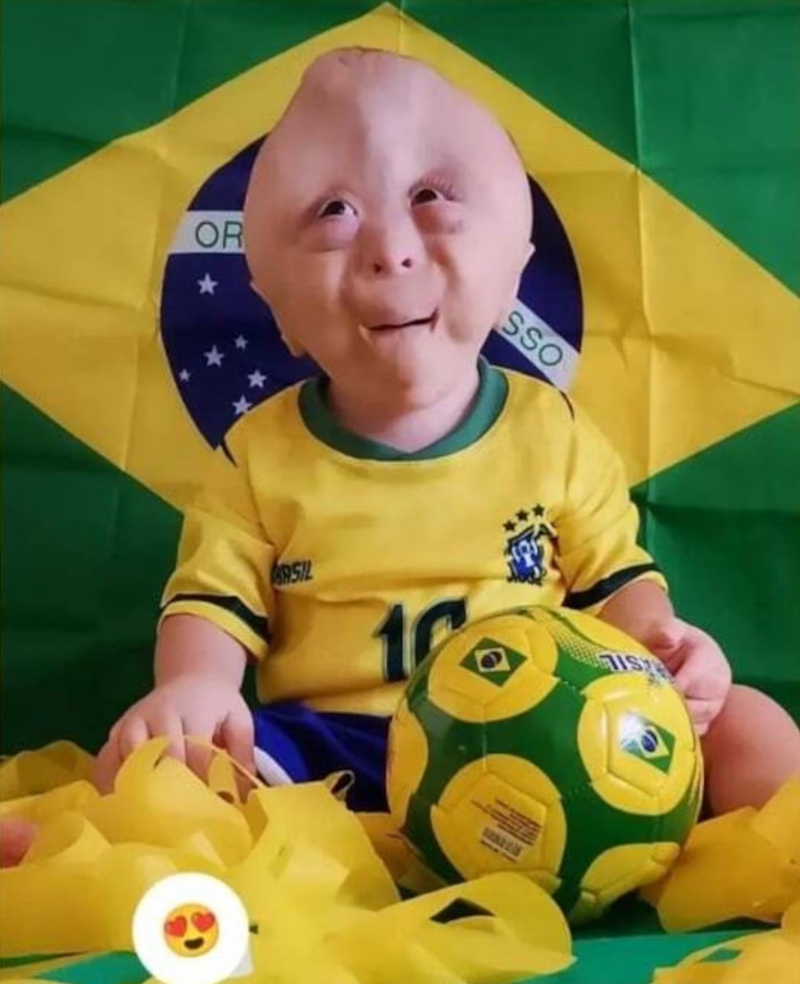
“We understand that many other children are waiting too, and we don’t blame the institution,” Michel explained. “We are simply asking for help so Gabriel can receive the right treatment and have the best possible development.”
Rita knows their family’s journey will not always be easy, but she refuses to let Gabriel’s differences define him.
“Gabriel is a child like any other child,” she said. “He was simply born with this cranial condition. We want people to look beyond his appearance and see the beautiful child that he is.”
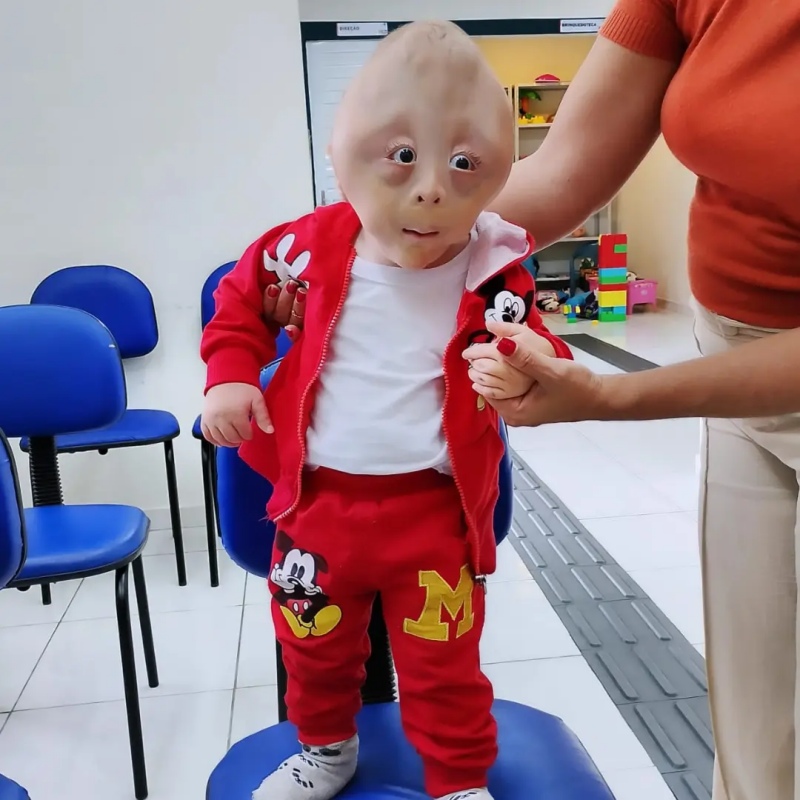
She added: “We are doing everything we can to give our children love, care and the best life possible. We only ask people to support us in a positive way, because every bit of help can make a difference in their future.”