Two-Year-Old Girl With Rare Condition Faces Isolation and Hardship in Remote Village
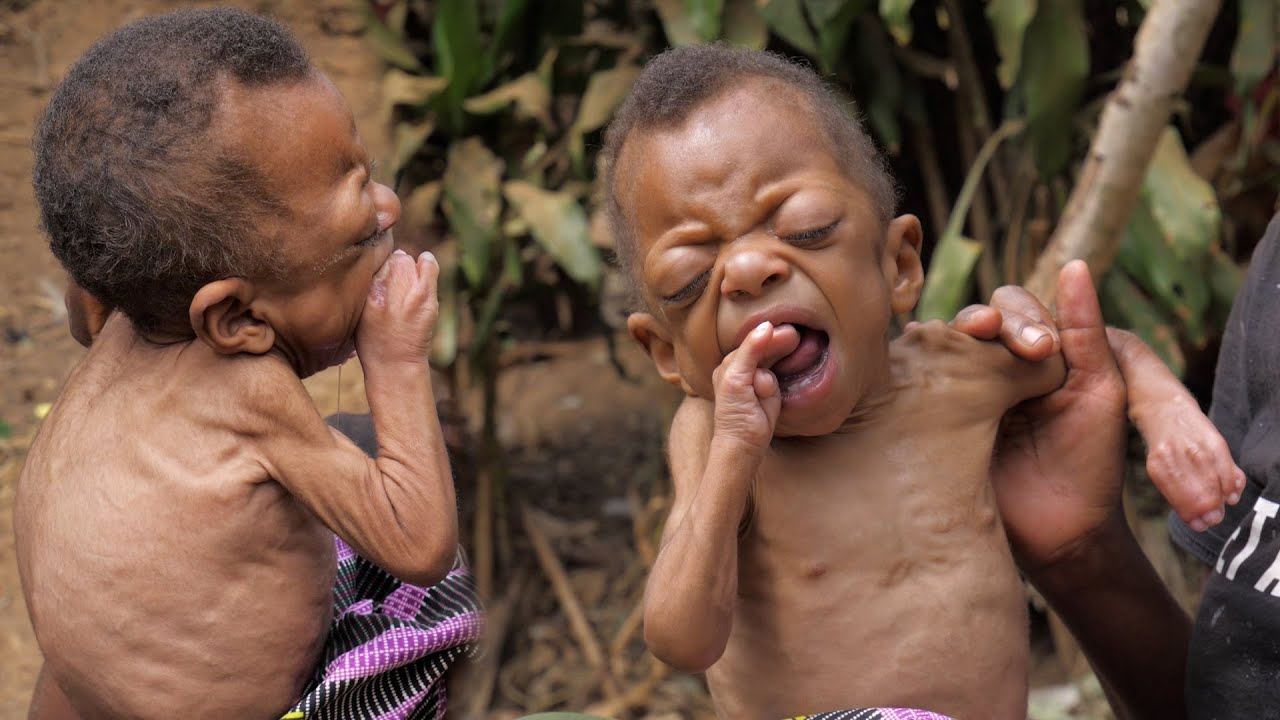
In a remote rural village far from major cities, a two-year-old girl is drawing attention not because of what she can do, but because of the challenges she faces every day. Born with a rare medical condition that causes her to appear far older than her actual age, the child has become the center of misunderstanding, stigma, and hardship for her family.
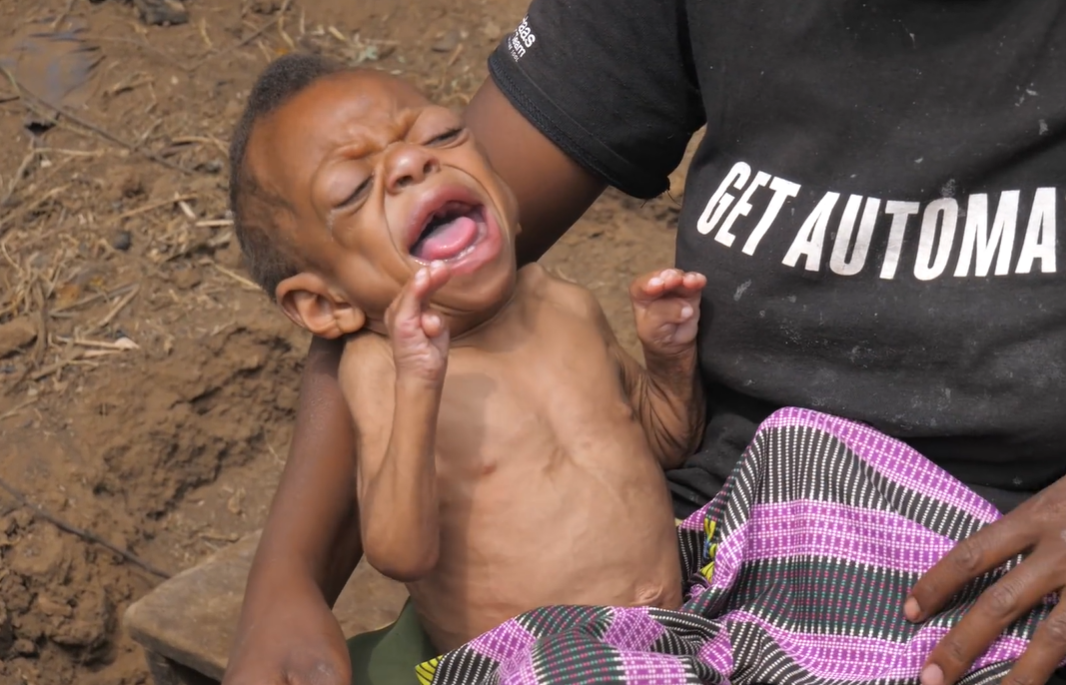
The baby, who lives with her mother Valentin, was born via cesarean section after a difficult pregnancy. Shortly after birth, she experienced serious breathing difficulties and required close medical monitoring. Valentin spent nearly three months in the hospital with her newborn as doctors worked to stabilize the child.
Medical specialists later explained that the baby was born with a rare genetic condition known as progeria, a disorder linked to an abnormal protein that affects how cells function and causes the body to age much faster than normal. The condition is extremely uncommon and not caused by family history or parental actions.
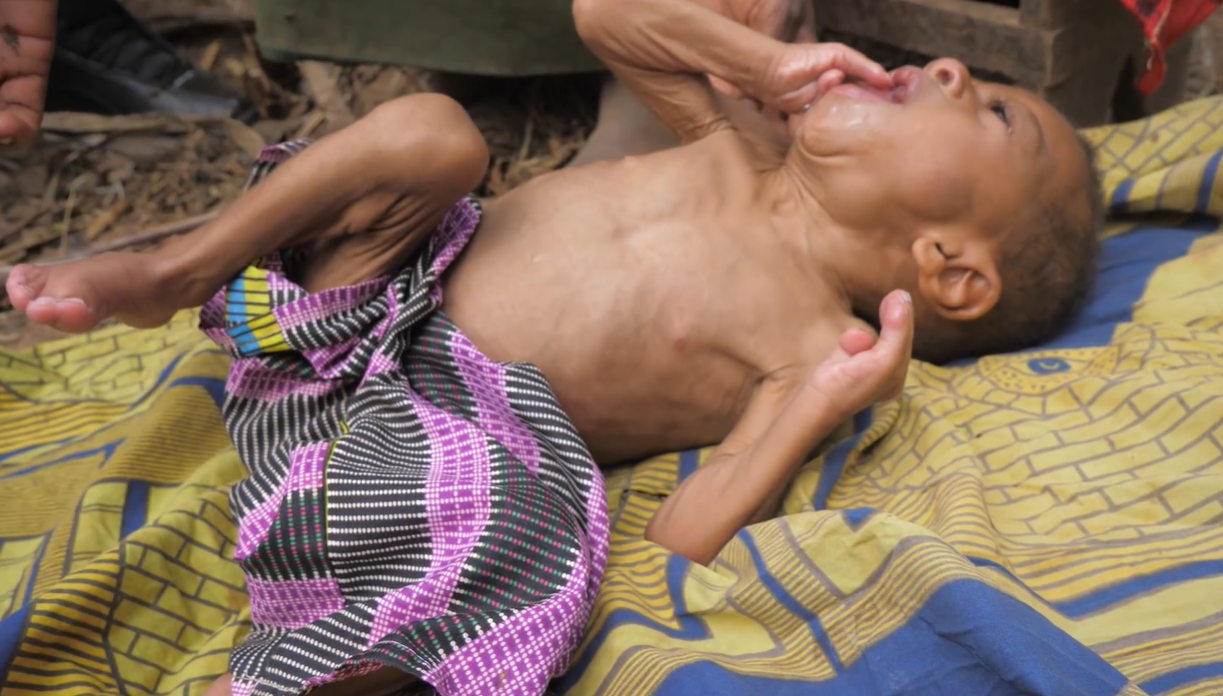
Despite medical explanations, the child’s appearance led to painful assumptions within the community and even within the family. Valentin says her husband was initially shocked and struggled to understand the diagnosis. Influenced by relatives and neighbors, he began to question whether the child was truly his.
“People kept telling him things that weren’t true,” Valentin said quietly. “They didn’t understand the condition, and they didn’t want to listen.”
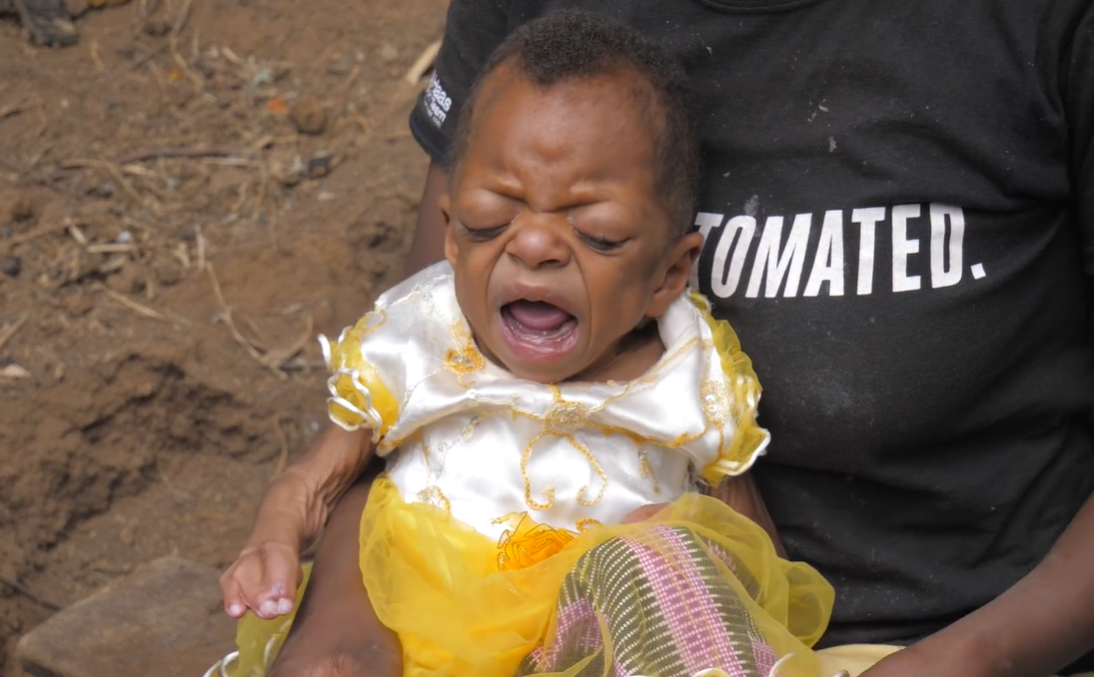
As tensions grew, Valentin says she faced constant blame and emotional distress. Eventually, she made the decision to leave her home to protect her peace of mind and focus on caring for her youngest child. She was forced to leave her two older children behind, a separation that continues to cause her deep pain.
“There are days I miss my other children so much it feels unbearable,” she said. “But I had no choice. I had to survive for this baby.”
Today, life remains extremely difficult. The two-year-old cannot eat solid food, cannot sit, crawl, or see clearly, and relies entirely on breastfeeding. She cries frequently, day and night, which her mother believes may be linked to ongoing discomfort or breathing issues. Medical care and nutrition are costly, and Valentin has no steady income.
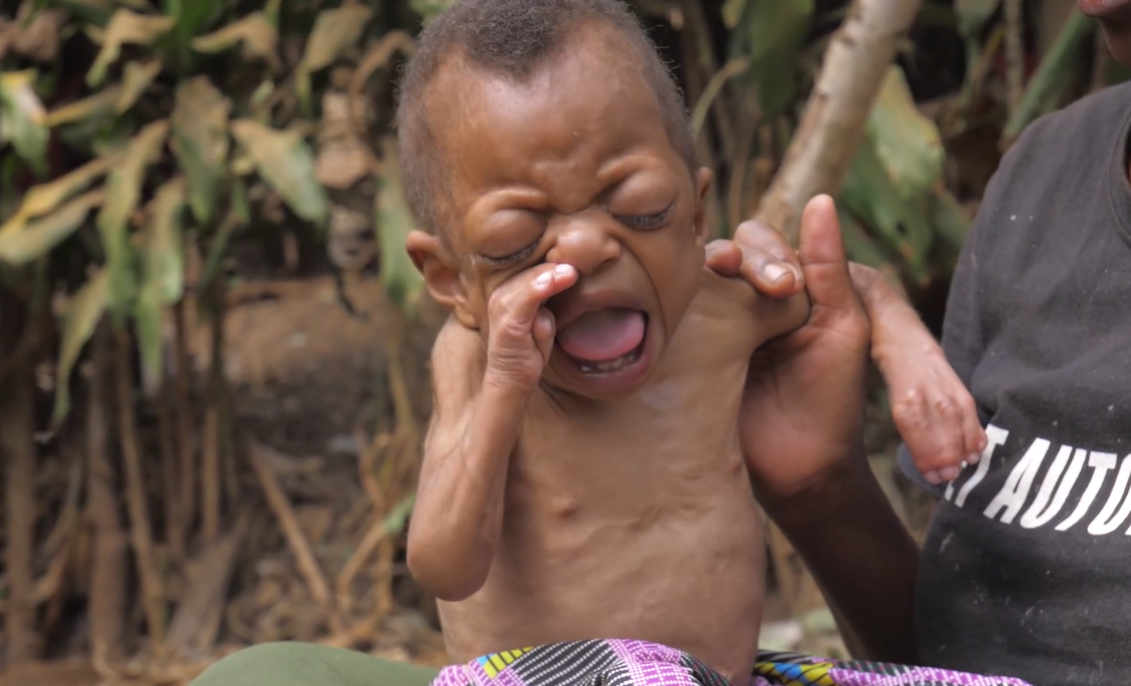
“The only thing I can do is make sure I eat well so I can feed her,” she explained. “If I don’t eat, she doesn’t eat.”
Living in isolation, Valentin says she has become fearful of visitors after years of being mocked or judged. “Most people don’t come to help,” she said. “They come to stare, to talk, to hurt.”
Her husband, when contacted through relatives, reportedly said he regrets how events unfolded but admitted that pressure from others influenced his actions. “I didn’t understand what was happening,” he was quoted as saying. “People around me filled my head with fear instead of facts.”
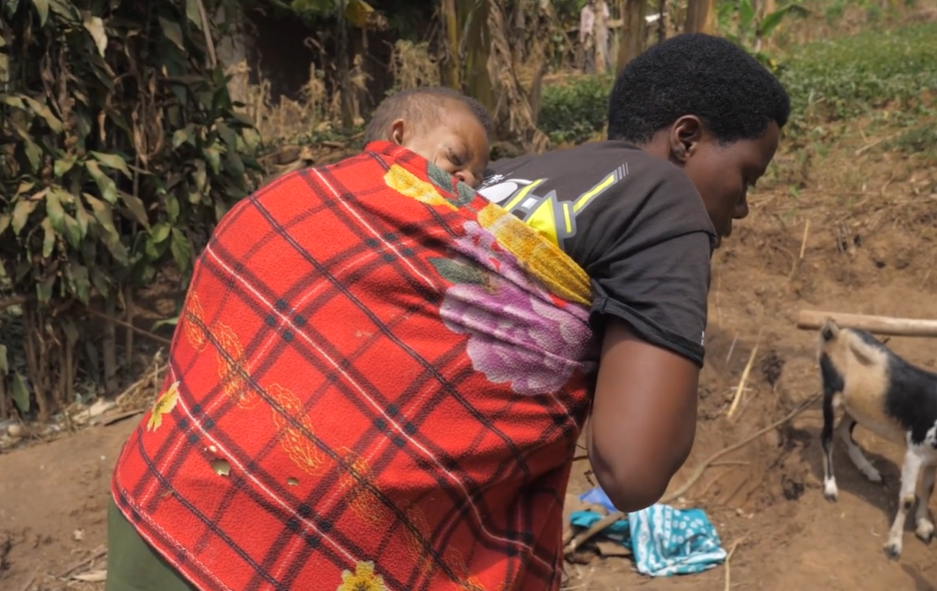
Despite everything, Valentin says being listened to matters as much as material support. “Sometimes food is important, yes,” she said. “But respect and kindness are also medicine.”
Local advocates say the family’s situation highlights the need for better education about rare medical conditions, as well as stronger social support for mothers caring for children with complex health needs in rural areas.
For Valentin, hope now comes in small moments. “When someone sits and listens, it helps my heart,” she said. “I just want my child to live with dignity, no matter how short or long her life may be.”