‘HE’S JUST MAGICAL’: MOTHER ADOPTED BABY BOY BORN PREMATURELY AFTER IN-UTERO FENTANYL EXPOSURE — AND VOWED TO GIVE HIM THE BEST LIFE DESPITE HIS COMPLEX MEDICAL NEEDS
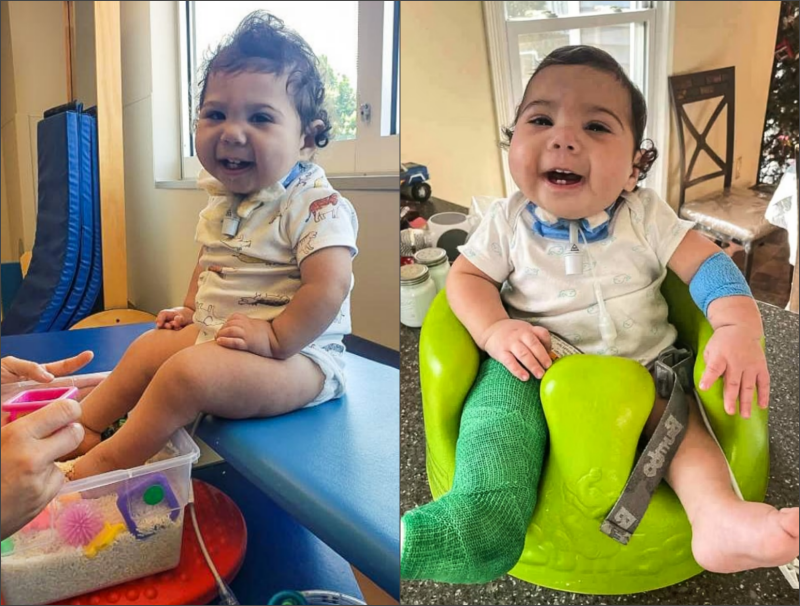
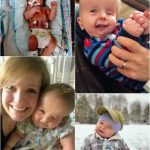
When Lindsay Carlisle first laid eyes on little Sammy in July, she had no idea just how much the tiny boy would change her life.
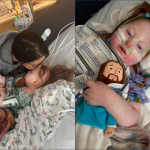
The 40-year-old from Washington Township, New Jersey, had been contacted as a potential foster parent. Sammy had been born nearly two months prematurely following exposure to opioids during pregnancy and was already facing several medical challenges.
Lindsay and her family had never planned to care for a medically complex child. They worried they might not have the experience or resources to meet his needs.
But something changed when she met him.
“Initially, we never were on board with having a medically complex child, just because we didn’t think we could handle it. We weren’t really equipped,” she recalled. “But then I said ‘yes,’ and it was the best ‘yes’ I’ve ever said.”
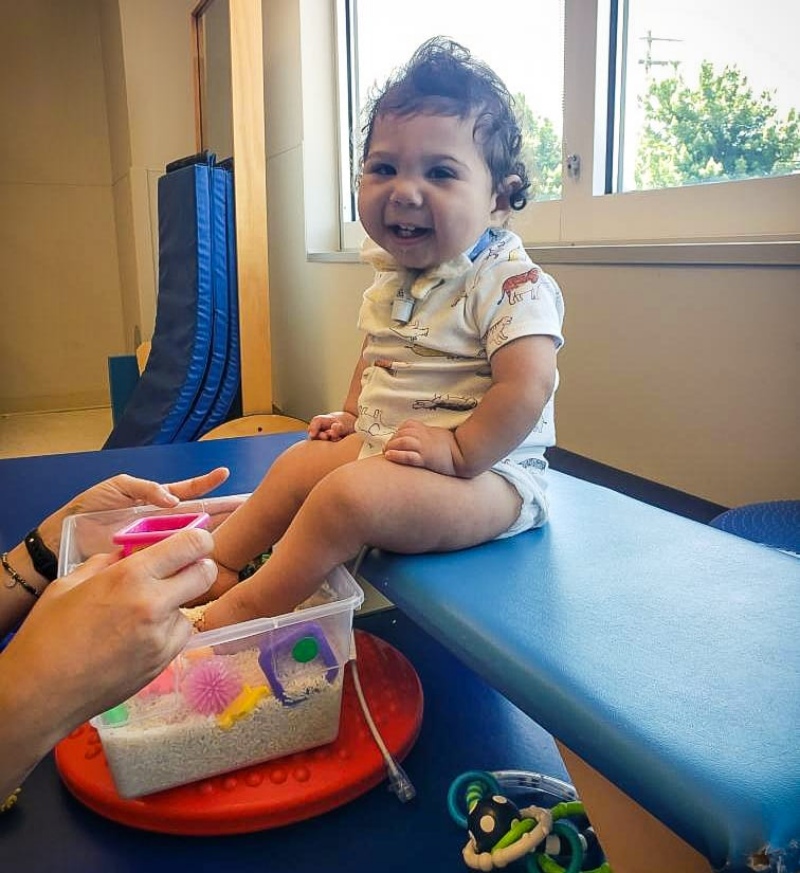
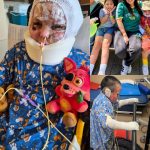
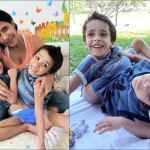
Now three years old, Sammy continues to face significant developmental and physical challenges. His joints are not fully formed, he has limited hand strength and he is not yet speaking, although he can make sounds.
He also relies on a feeding tube for nutrition and has undergone a procedure to correct a heart defect. His days involve extensive therapies and ongoing care, as his family works to help him reach each new milestone.
For Lindsay, however, Sammy is never defined by his medical needs.
She knows there may be challenges ahead, but every small achievement is something worth celebrating. “I promised him I would give him the very best life that anyone could ever want from the day I met him,” she said. “He’s just magical.”
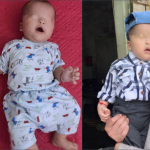
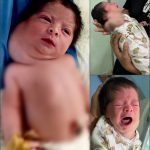
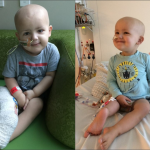
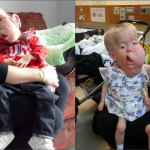
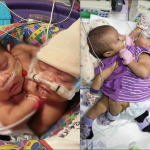
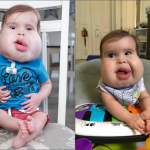
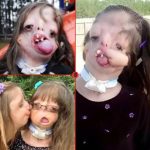
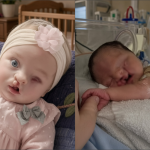
Sammy’s story is among 10 cases described in a report by Nemours researchers, who identified a previously unrecognised pattern of birth defects and developmental difficulties in infants exposed to fentanyl before birth.
Researchers are continuing to follow the children as they grow, hoping to understand whether some may also have underlying genetic factors that make them more vulnerable to prenatal exposure.
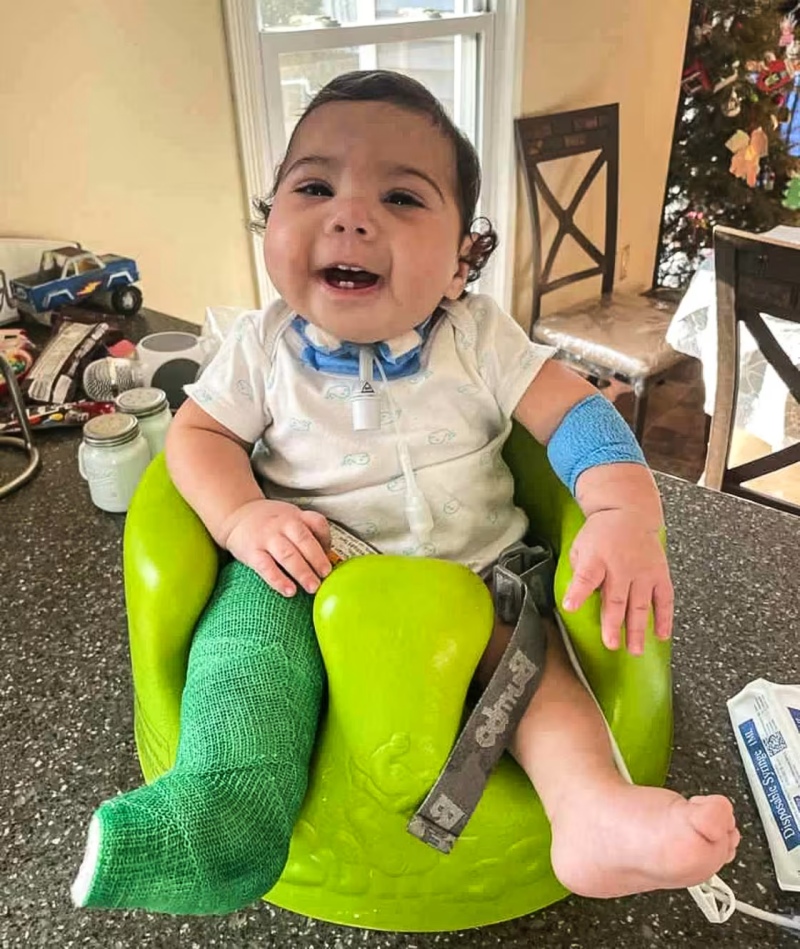
For families like the Carlisles, finding answers could eventually help doctors better understand the condition and provide clearer guidance about the future.
But for Lindsay, uncertainty remains part of everyday life.
“We don’t really know exactly what this means for him, cognitively,” she explained. “We’re just kind of winging it.”
The family officially adopted Sammy in February, turning the bond that began with a single decision into a lifelong commitment.
Lindsay also hopes to connect with other families involved in the research, so they can share experiences and support one another through unfamiliar challenges.
She and her family may not have known what lay ahead when they first welcomed Sammy into their home. But they knew he deserved a family who would stand beside him.
Source: nbcnews.com