NEW PARENTS MISTOOK BABY’S TINY FOREHEAD MARK FOR A BRUISE — UNTIL IT GREW INTO A HUGE BIRTHMARK
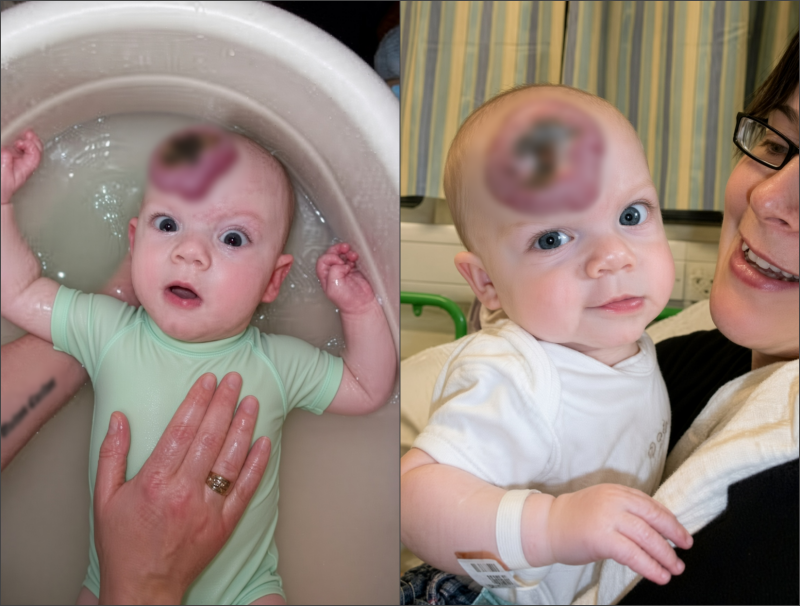
A tiny ‘bruise’ on her newborn daughter’s forehead turned into a huge strawberry birthmark — but a pioneering treatment changed Chloe’s life forever
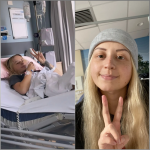
Lying in a hospital bed, Jean Lambert managed to give her premature baby daughter a quick, loving cuddle before doctors rushed the little girl away for specialist care.
Having experienced complications herself, the new mum had to wait an agonising four or five hours before she could finally see little Chloe again.
When she did, she was faced with the sight of her precious daughter surrounded by medical equipment in intensive care.
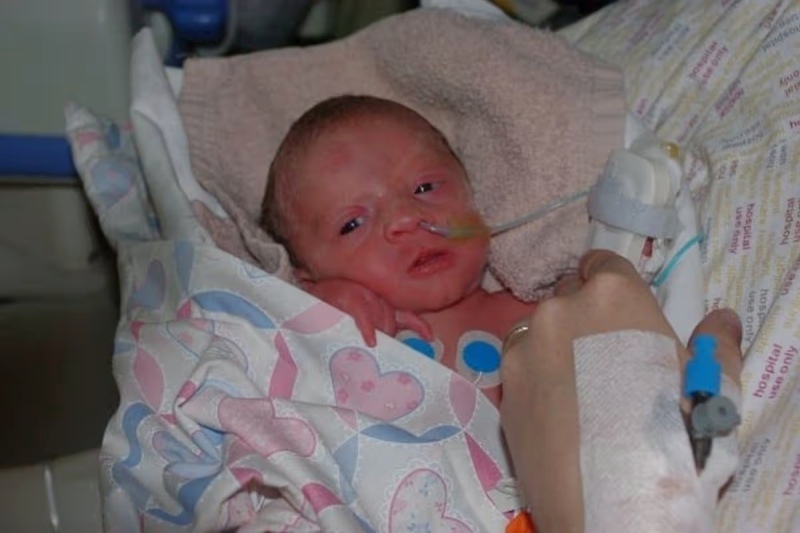
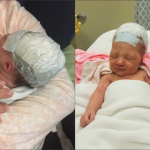
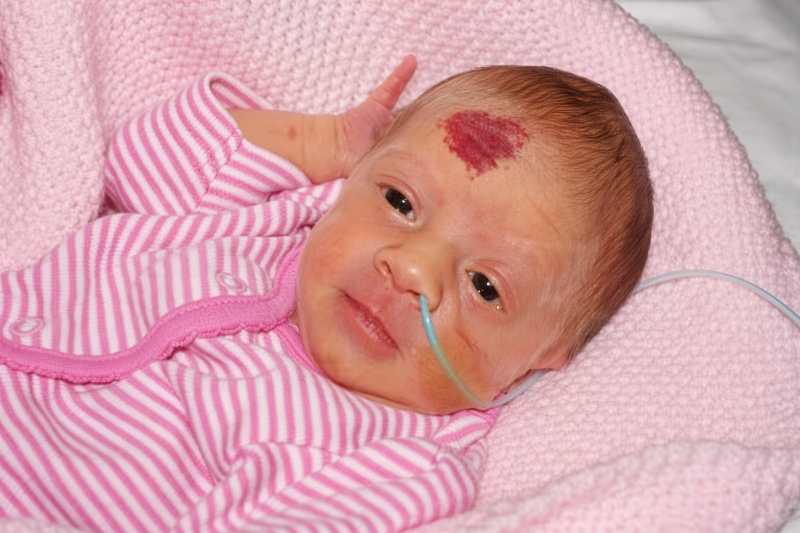
So when Jean and her husband, Michael, noticed a small ‘bruise’ on the right side of Chloe’s forehead, it was the least of their worries.
“We didn’t think much of it,” Jean told Mirror Online.
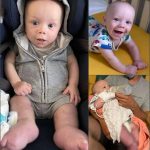
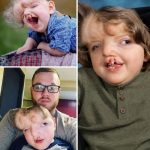
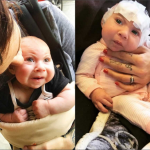
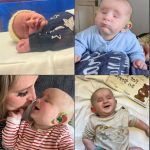
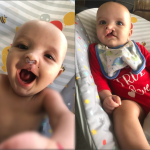
But over the following weeks, as Chloe’s condition improved, the mark began growing rapidly, “like a strawberry”, and turned a vivid red colour.
It was actually a strawberry birthmark, medically known as an infantile haemangioma.
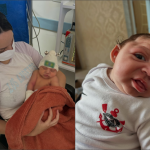
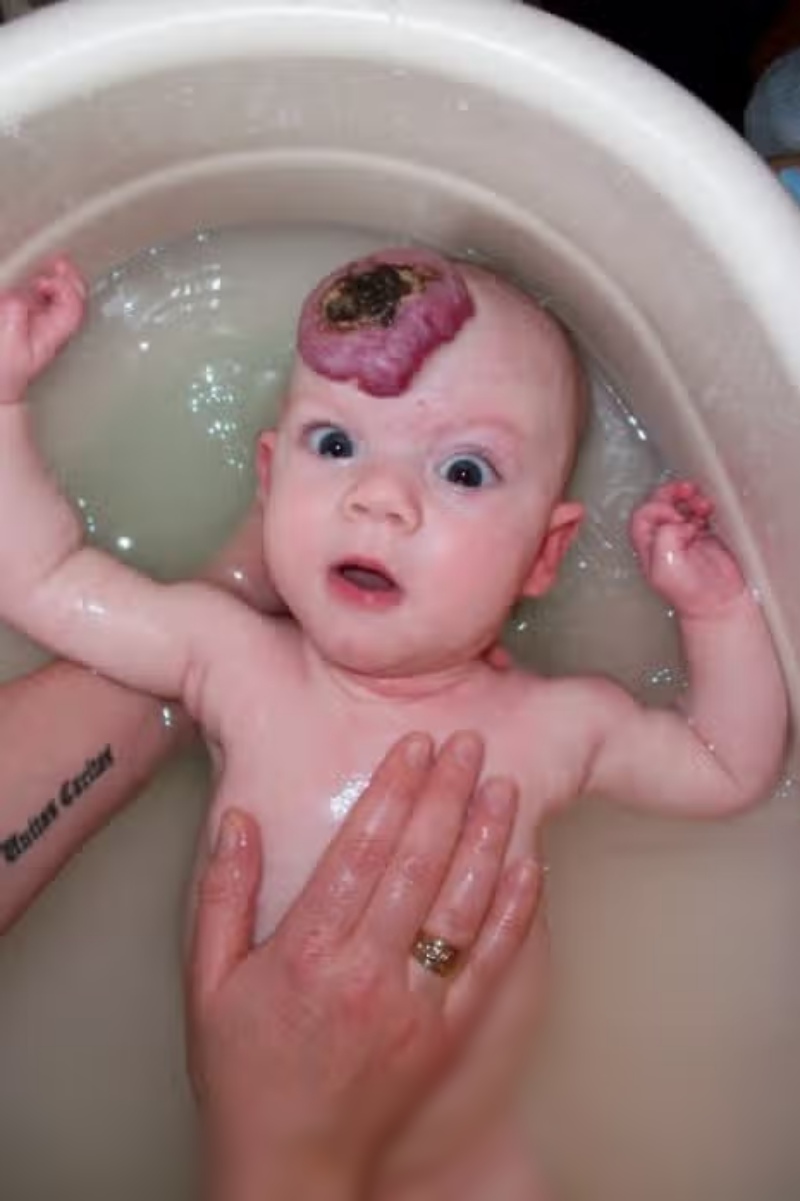
Over the following months, it continued to grow, eventually putting pressure on Chloe’s eye and developing a sore area.
Strangers would stare at the little girl when she was out in public, while Jean and Michael had to be extremely careful not to knock the area.
“If it started to bleed, it would continue to bleed,” said Jean, from Milton Keynes, Buckinghamshire. “We had to be careful not to knock it.”
Initially, the couple were told there were no suitable treatment options and that the birthmark would probably disappear naturally one day. They were left unsure of what to do.
But everything changed when Chloe was accepted onto a trial for a new treatment.
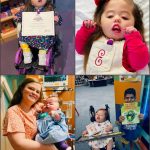
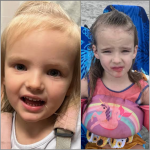
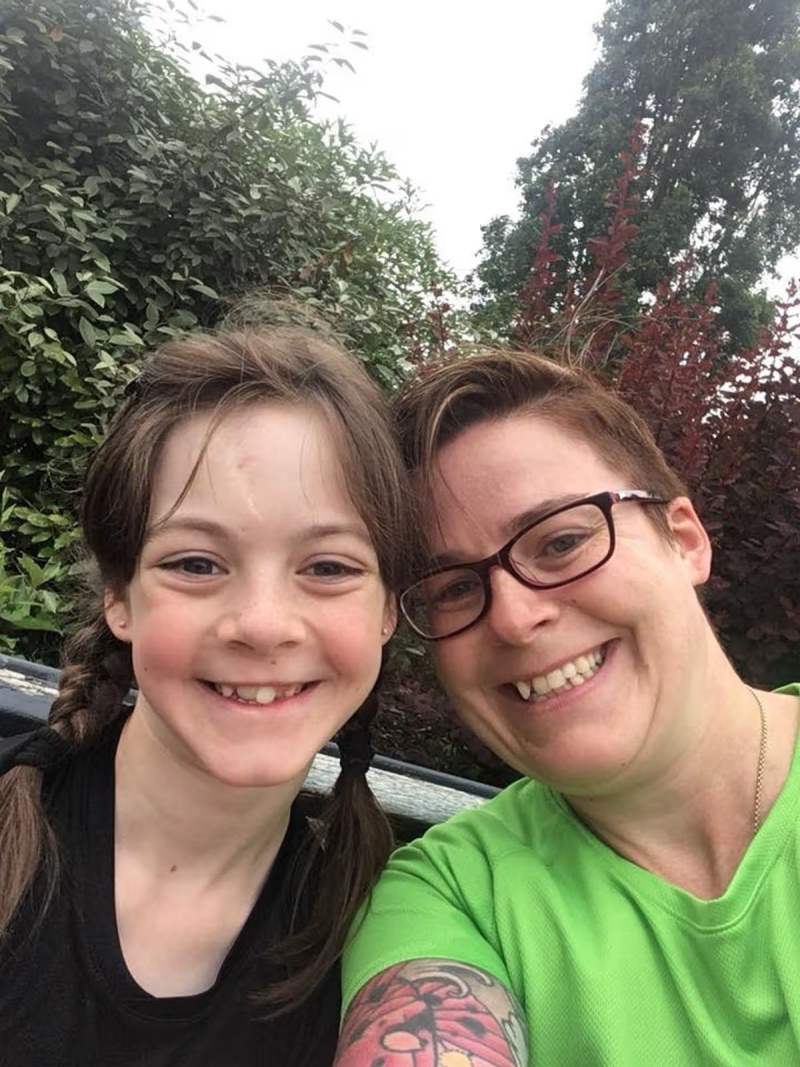
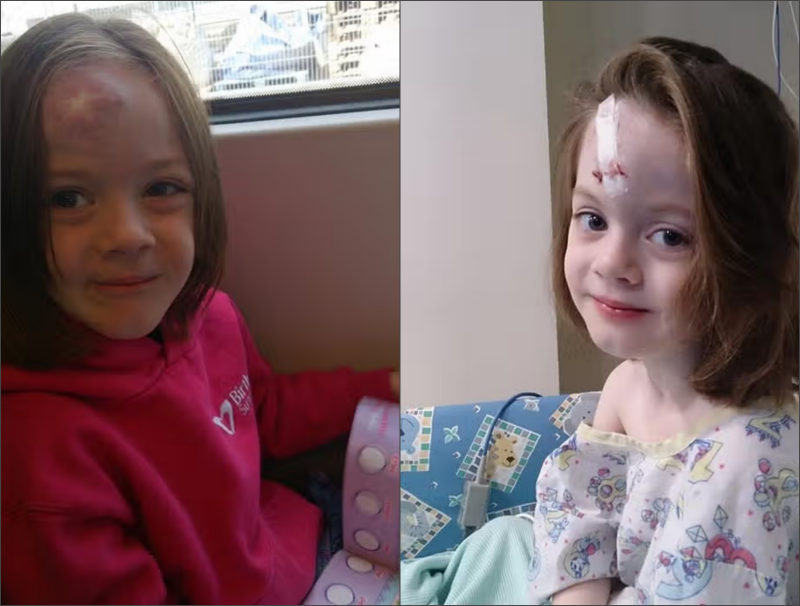
Now nine years old, the brave youngster has been left with just a small scar and proudly pins her hair back instead of hiding her forehead behind a fringe.
She even happily tells her friends: “I’m a birthmark baby.”
“Chloe’s so proud,” said Jean.
“As she looks back at photos of her birthmark, she’ll ask about it. If people ask questions, she’s very quick to say, ‘I had a birthmark’.”
Chloe was born eight weeks early in August.
“I had a very easy, straightforward pregnancy. Everything went fine. I was getting up for work the morning my waters broke,” Jean recalled.
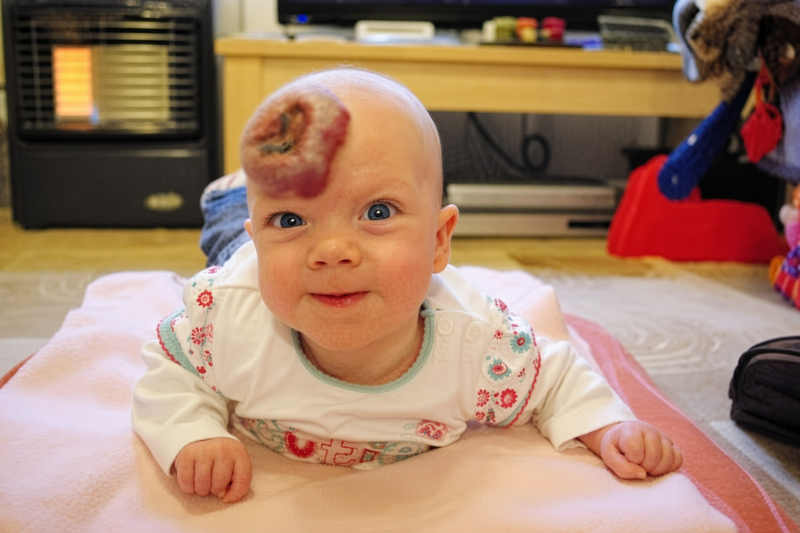
“She arrived very quickly at 32 weeks. It was a normal birth, gas and air. They tried to stop the birth, but there was no stopping it!”
Doctors allowed Jean a brief cuddle before treating her for complications with her placenta, while Chloe was taken to intensive care.
“It was four or five hours before I could actually see her,” Jean said.
Around a week later, doctors explained that the small mark on their daughter’s forehead was a strawberry birthmark.
The couple were warned that it would change colour and grow over time.
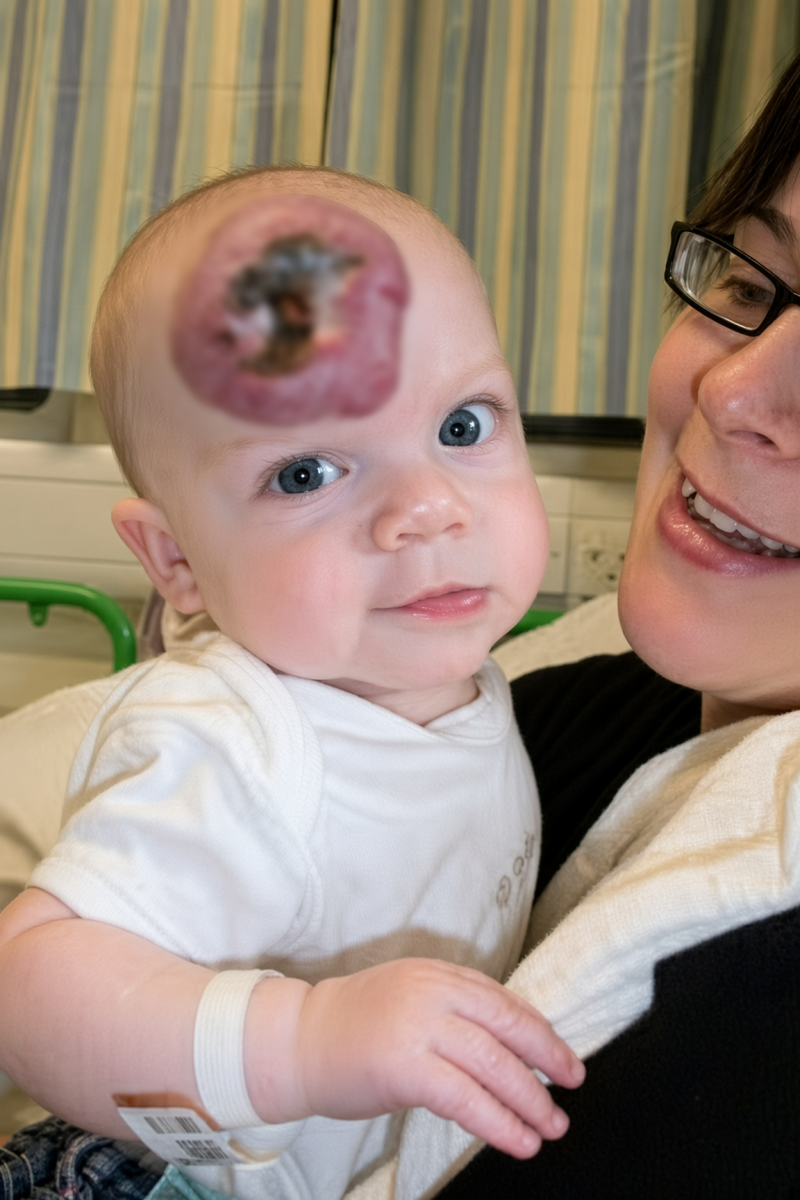
“By the second week, we could really see what they meant. It had turned a very vivid red,” Jean said.
By the time Chloe was allowed home several weeks later, the mark had already started growing rapidly.
“We’d pre-warned people about her birthmark and sent photos. They were surprised, more so by how small she was,” her mum recalled.
“We were very much aware that the birthmark was growing each day.”
A dermatologist initially reassured the family that the mark would eventually fade, but strangers were already beginning to stare at Chloe when they went out.
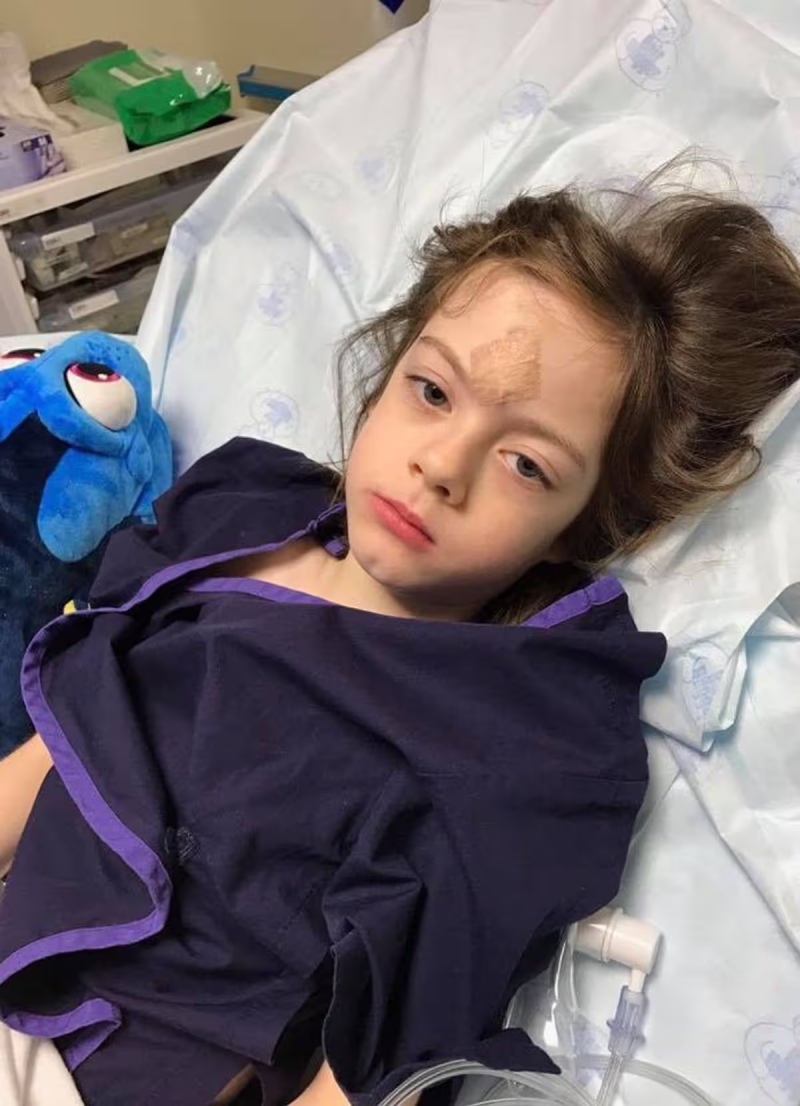
“She would have people standing there, looking at her,” Jean said.
By December, a sore area had developed on the birthmark.
“We didn’t know what to do.”
Before long, the mark had grown to almost the size of a clenched fist.
The family became increasingly concerned when a scab came away, revealing an irritated area underneath.
They returned to the hospital, where an unexpected encounter changed everything.
“A passing doctor saw Chloe and interrupted our appointment to tell us about a new treatment being trialled at Great Ormond Street Hospital (GOSH),” Jean explained.
The family were told Chloe could be an ideal candidate for referral, and just weeks later, they travelled to the London hospital.
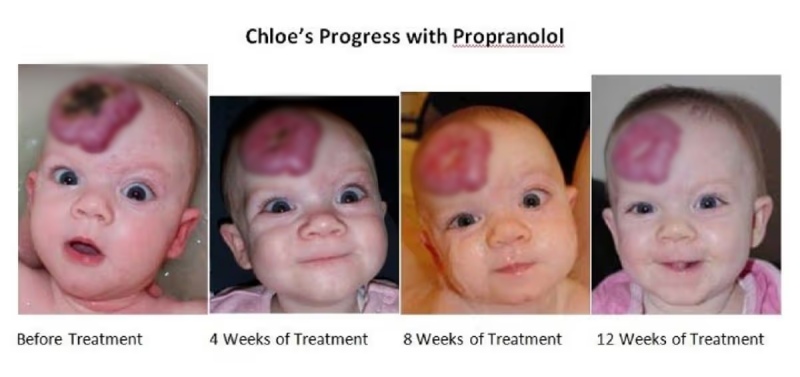
Over the following weeks and months, Chloe received treatment with propranolol, a medicine traditionally used to treat high blood pressure.
Although it is not suitable for every birthmark, propranolol can reduce blood flow through haemangiomas, helping them become lighter, softer and smaller.
“It speeds up the shrinking process,” Jean explained.
Chloe remained on the treatment for a year.
“At its biggest, her birthmark was really starting to weigh down her eye,” her mum said.
“It almost looked like a lazy eye all the time. We’d be sitting on the Tube and people would just stare. Young children would sometimes want to touch it.”
Once doctors confirmed the birthmark was no longer growing, Chloe was taken off the medication.
Over the next few years, she continued having annual check-ups.
Eventually, she underwent three cosmetic procedures, gradually reducing the birthmark from a large circle to an egg shape and finally to a thin mark.
“We were ecstatic with the results,” Jean said.
“Now, the scar looks almost like she’s just had an accident. But knocking her head can still be exceptionally painful for her.”
When Chloe was younger, she often asked her parents to give her a fringe to cover the birthmark. Sometimes, she would wear a hat.
“She was starting to become a bit more conscious of it,” Jean explained.
“We’d try to tell her it’s unique and it’s what makes her special.”
Today, however, Chloe feels completely differently. She is “so proud” of her birthmark story.
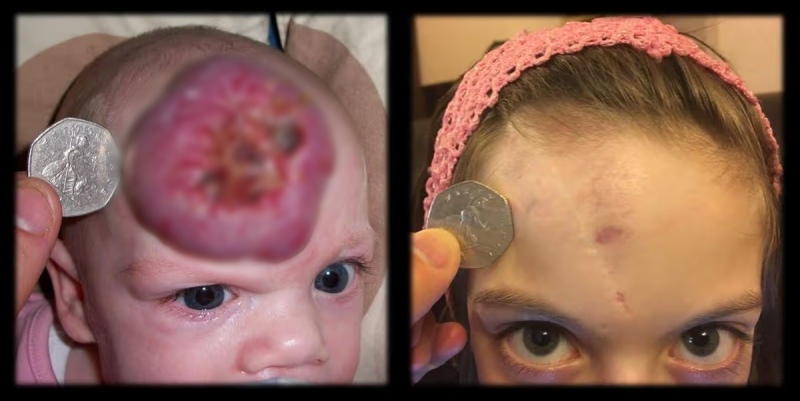
“She likes to pin her hair back. She’s proud of her scar now. It shows the journey that she’s been on,” her mum added.
Chloe, her parents and her little brother, Thomas, have also received invaluable support from the UK-based Birthmark Support Group.
Jean described the organisation, founded by parents of children with vascular birthmarks, as an “absolute Godsend”.
“It’s for any type of birthmark, it doesn’t have to be a strawberry birthmark. There are so many different types,” she said.
“It’s wonderful just to be able to contact other parents or get some advice.”
She added: “Being a first-time mum, this was both the hardest and loneliest time of my life. It could have felt even more isolating if it wasn’t for the help and support of the Birthmark Support Group.
“We were put in touch with the group while Chloe was still young. For the first time, we could share and compare experiences with other parents and children. Suddenly, the world didn’t feel so lonely.”
This year, the organisation was awarded one charity place in the London Marathon, and Jean was chosen to take part.
“I am overwhelmed and honoured,” she said.