SOD SYNDROME HAS LEFT BABY JACKSON DEPENDENT ON A VENTILATOR AND FEEDING TUBE, BUT NOW HE’S TAKING TINY STEPS TOWARD HOME

Little Jackson has already faced more challenges in his young life than many people could imagine — and now, after months of relying on medical support, he is taking tiny but meaningful steps toward going home.
Born with SOD syndrome, Jackson has needed a tracheostomy, ventilator support and a feeding tube as his family learned how to navigate life as parents of a child requiring complex medical care.
Just two days after his birth, doctors were already closely monitoring his delicate lungs. His oxygen support had been reduced to around 30%, but his tiny lungs were still struggling.
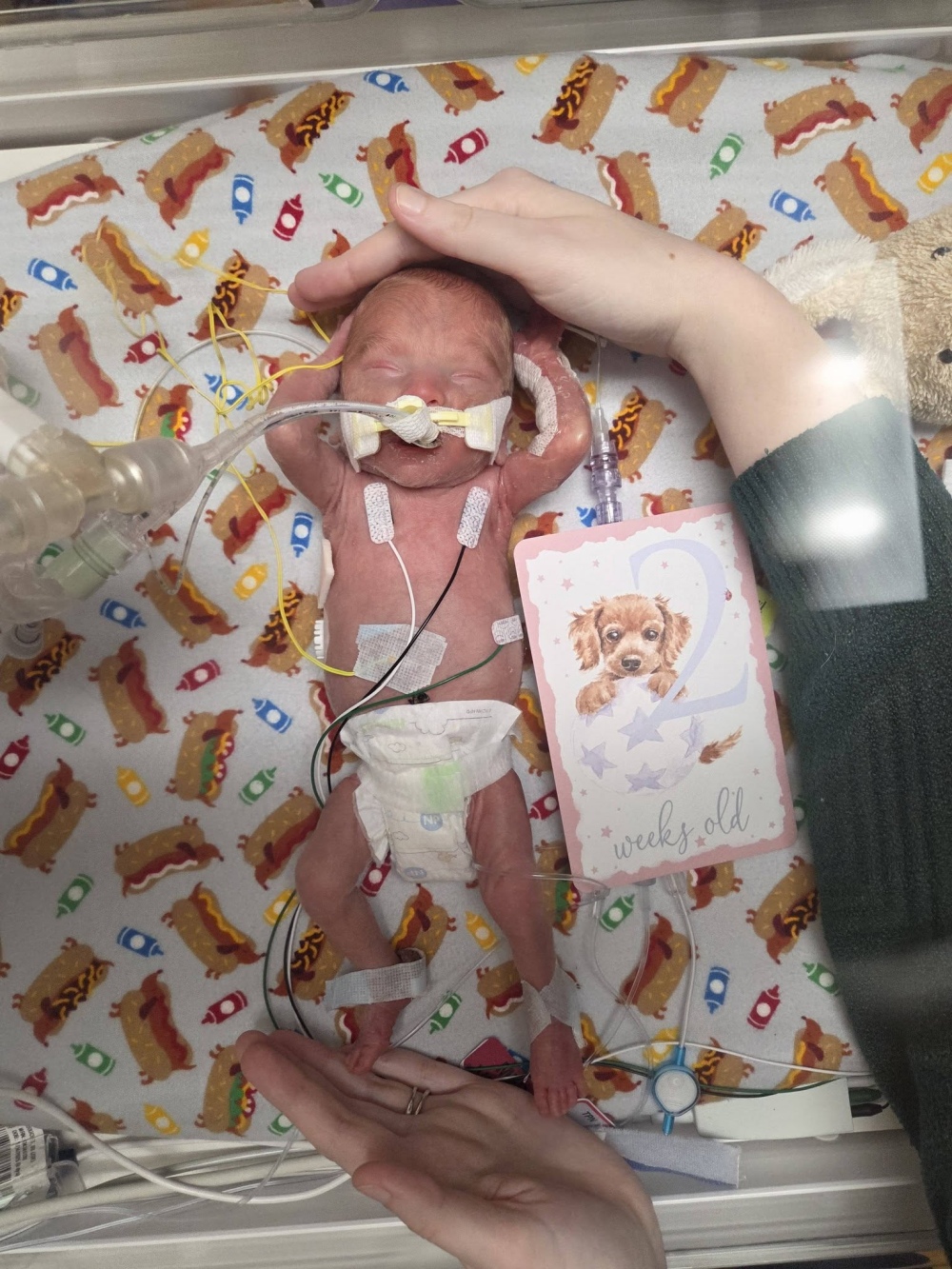
Because they were so small and fragile, air from the ventilator could sometimes escape into the space around his lungs, making it harder for them to fill properly. Doctors explained that Jackson might eventually need a chest tube, but thankfully, the amount of leaked air remained stable and had not increased.
He also needed several blood transfusions because his tiny body could not produce enough red blood cells. As his liver struggled to process the cells that had naturally broken down, bilirubin began building up, leaving him needing blue-light therapy to help his body process it.
For his parents, every day brought another medical challenge — but also another reason to keep hoping.
And now, Jackson is showing just how far he has come.
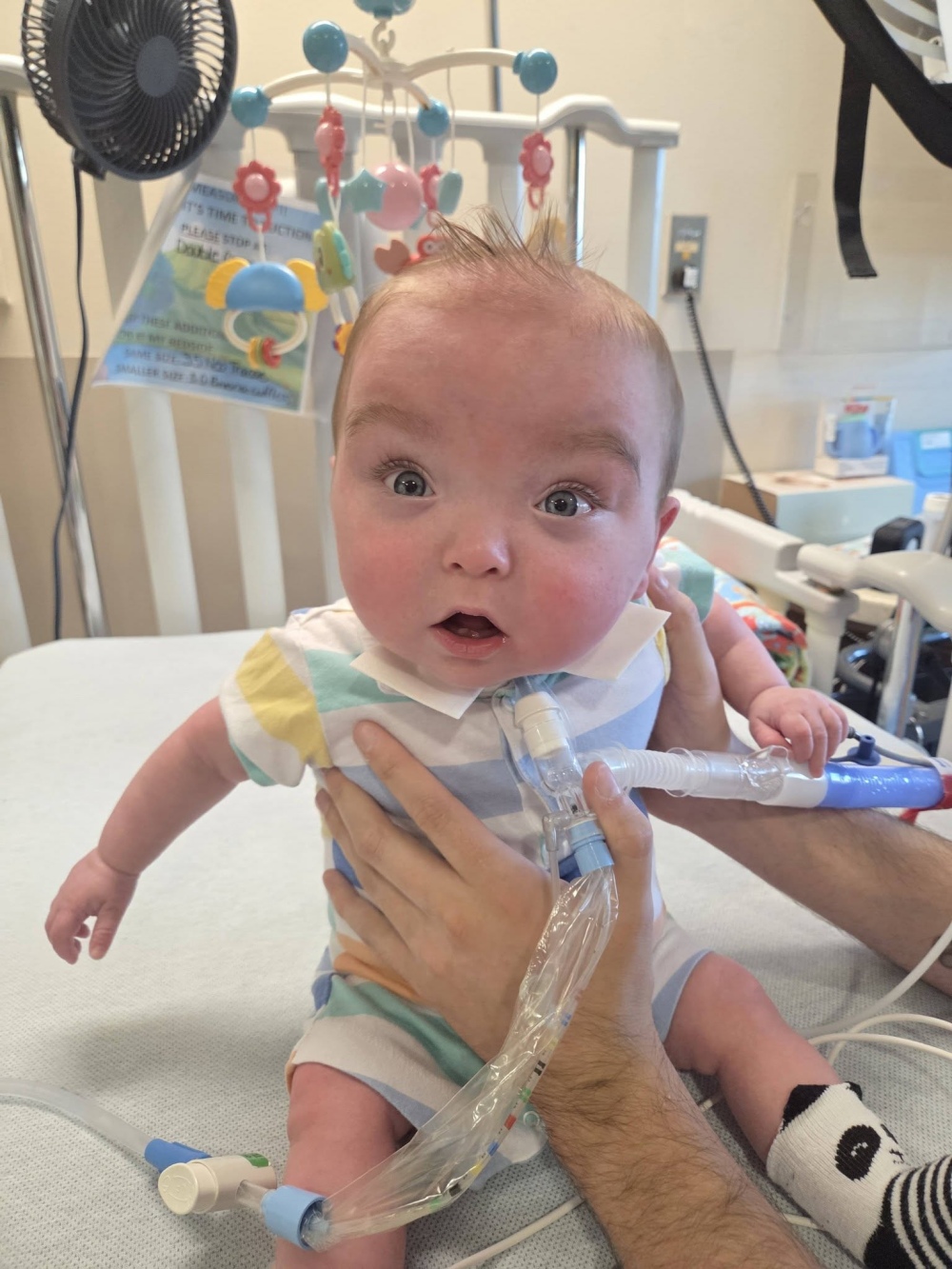
His PEEP level has been reduced to 12, and he has been responding well. He can also now tolerate around 30 seconds away from his ventilator before letting his caregivers know he needs the support again.
Thirty seconds may sound insignificant to someone outside the hospital, but to Jackson’s family, it is a milestone worth celebrating.
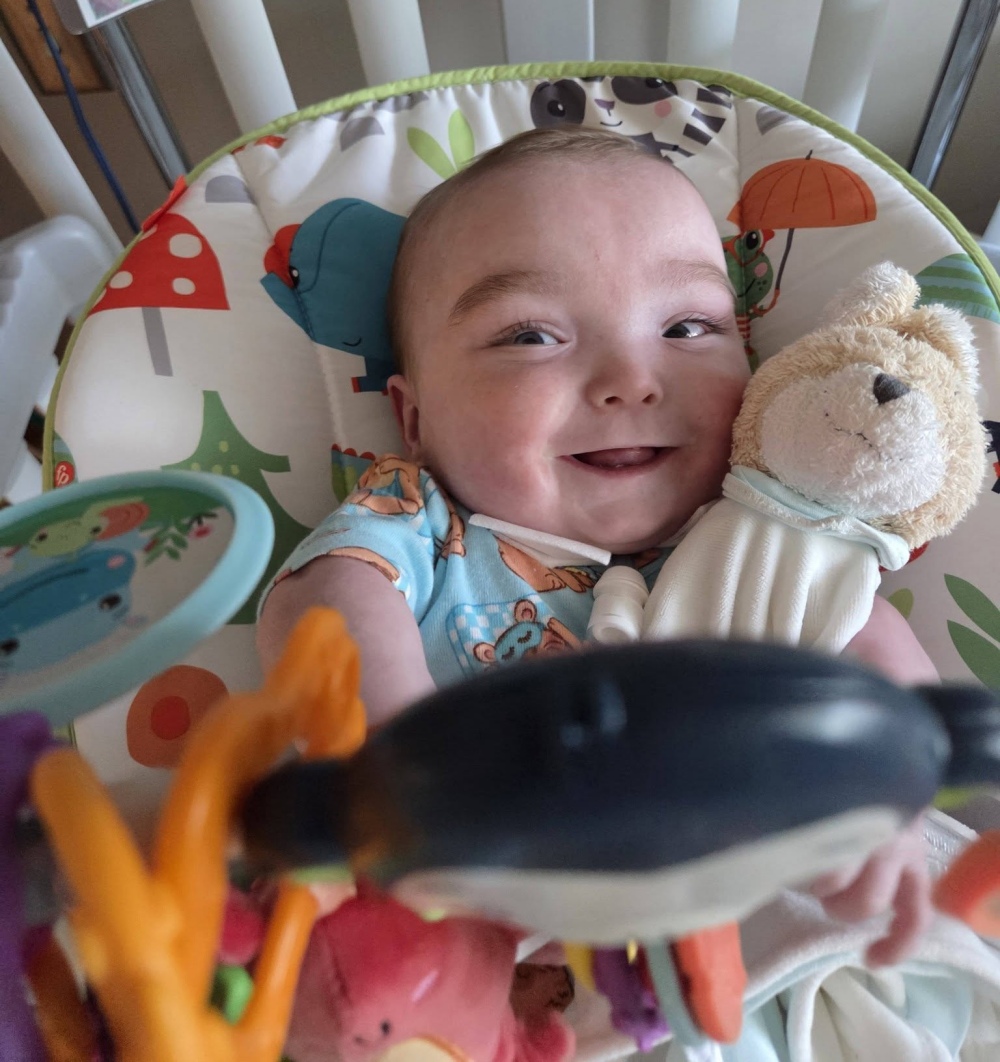
“Every little improvement feels huge to us,” his family shared. “Sometimes progress is measured in seconds or in a number changing on a monitor, but those tiny changes mean everything.”
Jackson is also growing stronger physically. He can now sit upright with assistance for more than 30 minutes before becoming tired — another encouraging sign after such a difficult beginning.
And perhaps the most emotional milestone is now approaching: home.
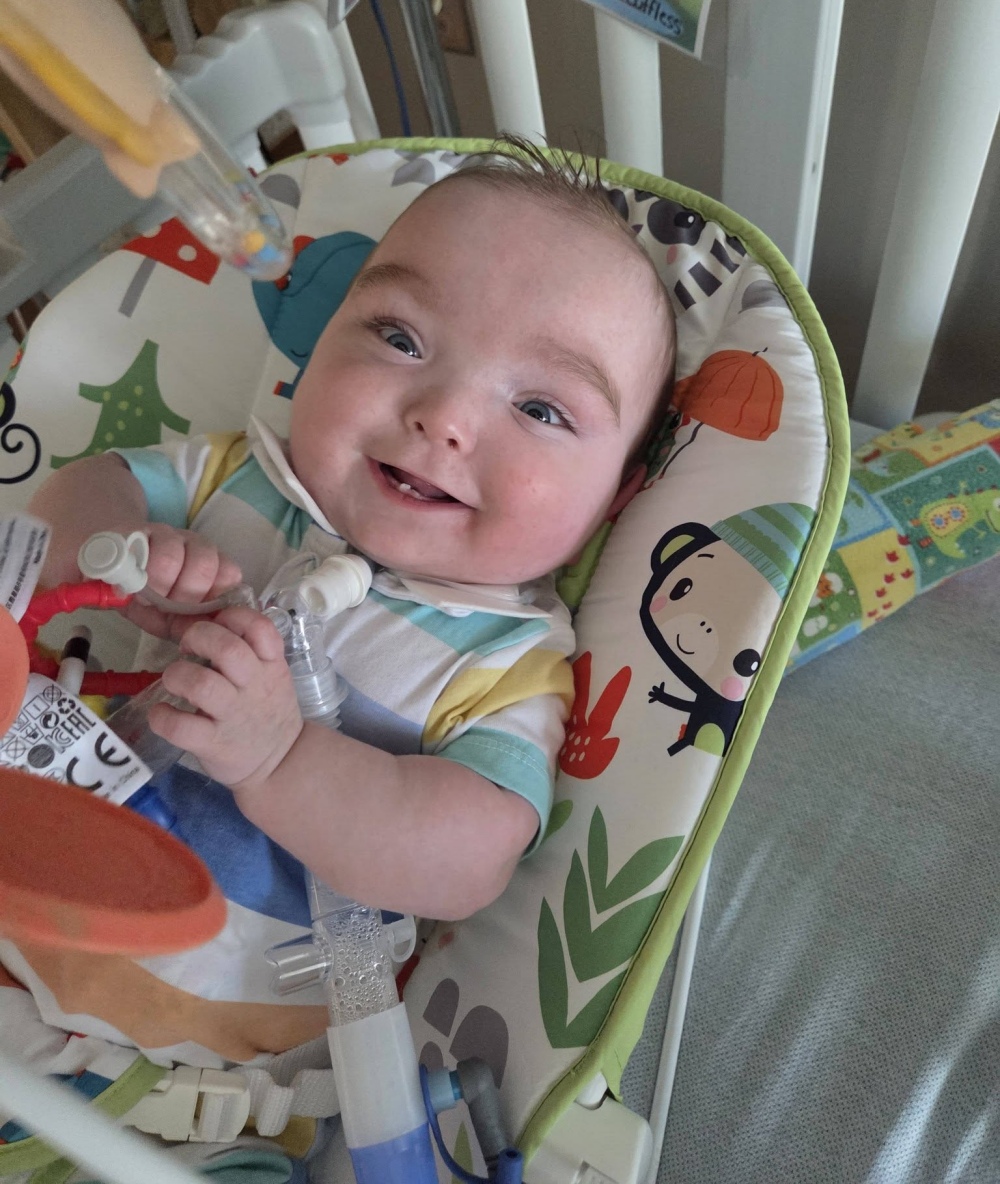
Before Jackson can be discharged, his parents will take part in a 48-hour “room-in” period, during which they will take full responsibility for his care and treatments without relying on the hospital team in the usual way.
It is an exciting prospect, but one that naturally comes with nerves.
After spending so much time learning from doctors and nurses, Jackson’s parents will soon have to put everything they have learned into practice — understanding his signals, managing his equipment, providing his treatments and caring for him around the clock.
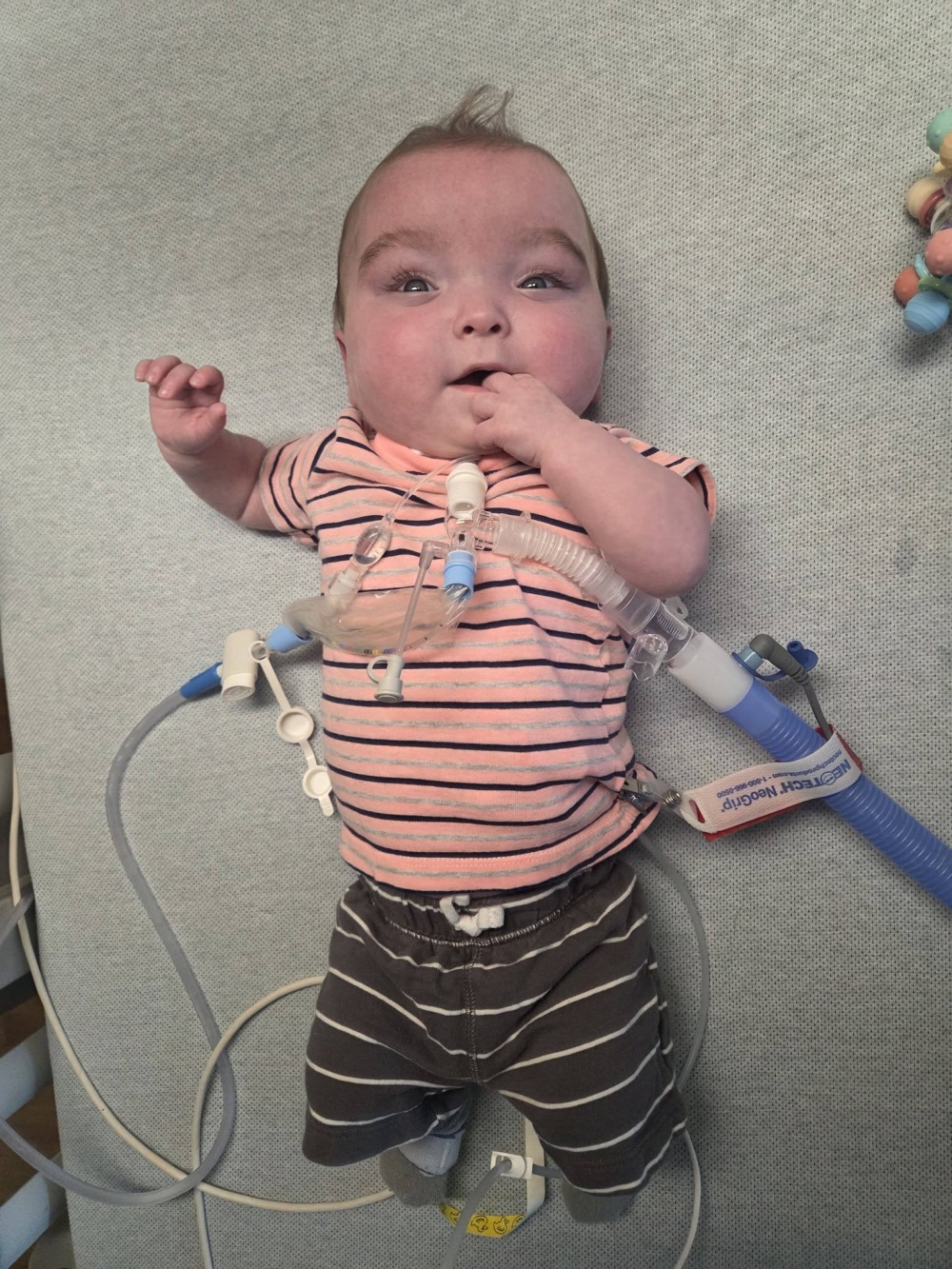
“We are excited, but we are nervous too,” his family said. “We have spent so long learning how to care for Jackson, and now we are getting closer to doing it all ourselves at home.”
For this family, the room-in process is more than another medical requirement. It represents months of learning, adapting and refusing to give up.
Jackson still depends on significant medical support, but every small achievement is bringing his family closer to the moment they have dreamed about — seeing their little boy at home, surrounded by the people who love him most.

His journey has never been measured in giant leaps.
It has been measured in tiny breaths, lower ventilator settings, seconds away from support, stronger muscles and one determined little boy continuing to move forward.
And for Jackson’s parents, those small victories are everything.
“We just want to bring our boy home,” they said. “After everything he has been through, watching him get stronger is something we will never take for granted.”