BABY BORN WITH NO ARMS OR LEGS DUE TO AN ULTRA-RARE CONDITION DEFIES DOCTORS’ EXPECTATIONS AFTER BEING GIVEN LITTLE CHANCE OF SURVIVAL
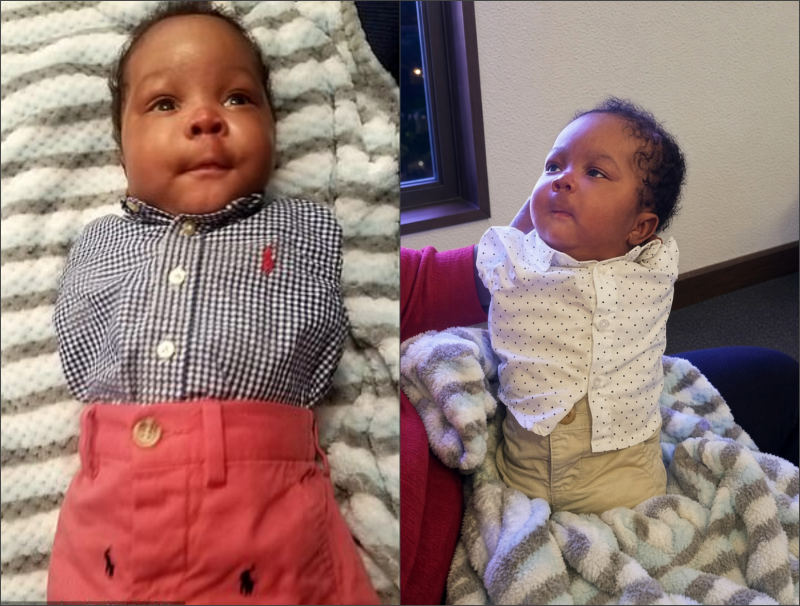
Born with a rare condition affecting only a handful of families worldwide, baby RJ is proving that his future can still be full of possibilities.
RJ Wilson’s mother, Jasmine Self, 24, was five months pregnant when an ultrasound revealed that her baby’s arms and legs were not developing.
RJ was diagnosed with tetra-amelia syndrome, an extremely rare condition characterized by the absence of all four limbs and sometimes associated with other physical differences affecting the face, heart, nervous system and skeleton.
After doctors discussed the possibility of ending the pregnancy, Jasmine and her boyfriend, Rondell Wilson, made the decision to continue. RJ was born prematurely at 29 weeks on September 29, weighing just 2lb 4oz (1kg).
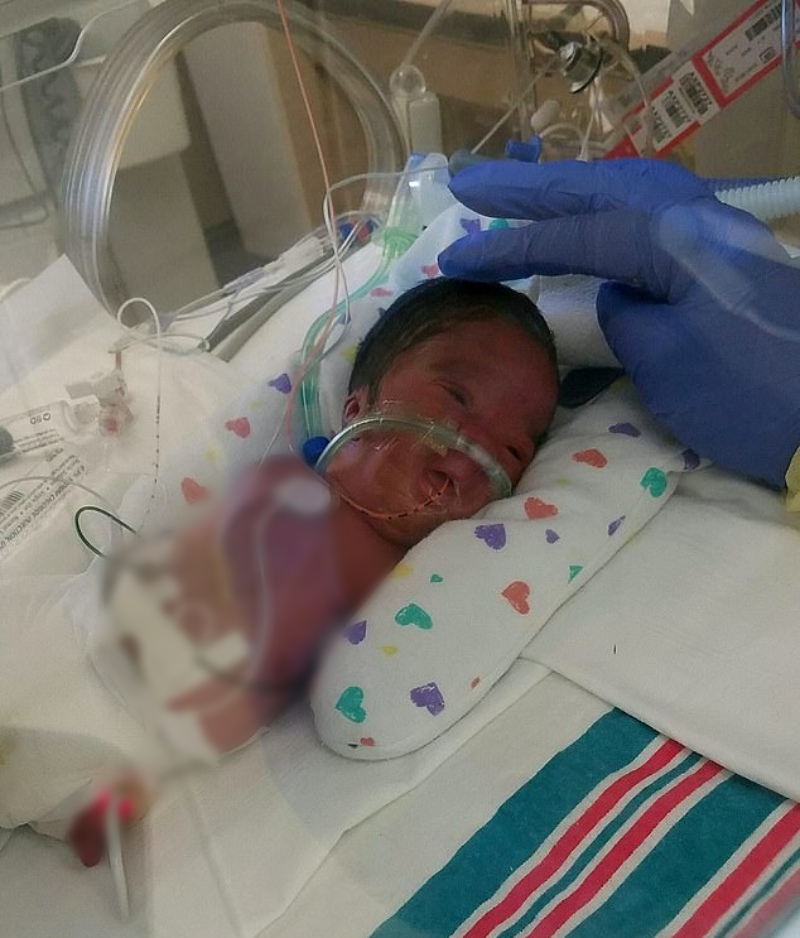
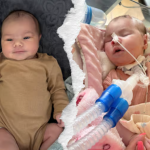
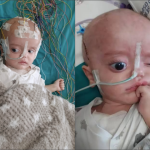
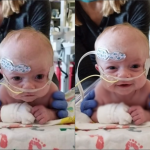
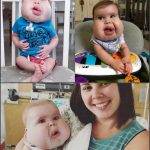
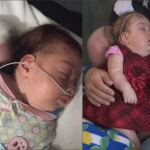
He spent his first two months receiving intensive care, but against the odds, the little boy is now thriving at home in Florence, South Carolina.
“I found out I was pregnant in April, but I didn’t go to the doctor until August,” Jasmine recalled. “When I finally went, I could tell something was wrong.”
Her ultrasound technician urged her to make an appointment with her doctor.
“I was sitting in the waiting room when my doctor came out to get me. I could see him take a deep breath, and my anxiety went through the roof.
“He told me my baby didn’t have any limbs. I just stared at him before bursting into tears. I asked if I had done something wrong or if it was my fault because I hadn’t visited the doctor for months.”
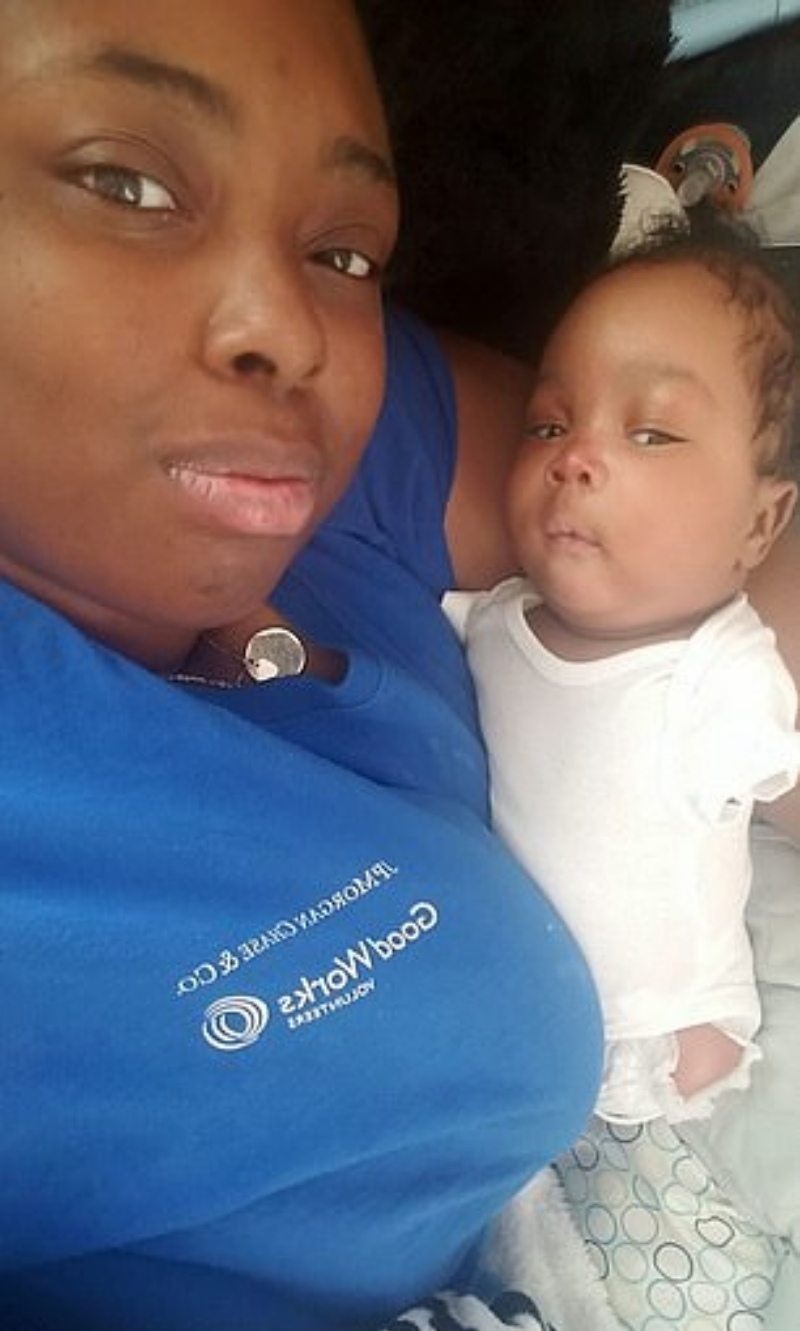
Her doctor reassured her that she was not responsible for her baby’s condition.
Further appointments helped explain the diagnosis and the possibility of additional complications. Jasmine then faced an incredibly difficult decision about whether to continue her pregnancy.
Tetra-amelia syndrome is an exceptionally rare genetic condition caused by changes in DNA that play an important role in early development. It has been documented in only a small number of families worldwide, and some affected babies experience serious complications.
“My doctors explained my options and told me there was a possibility I wouldn’t carry him to term or that he might not survive birth,” she said.
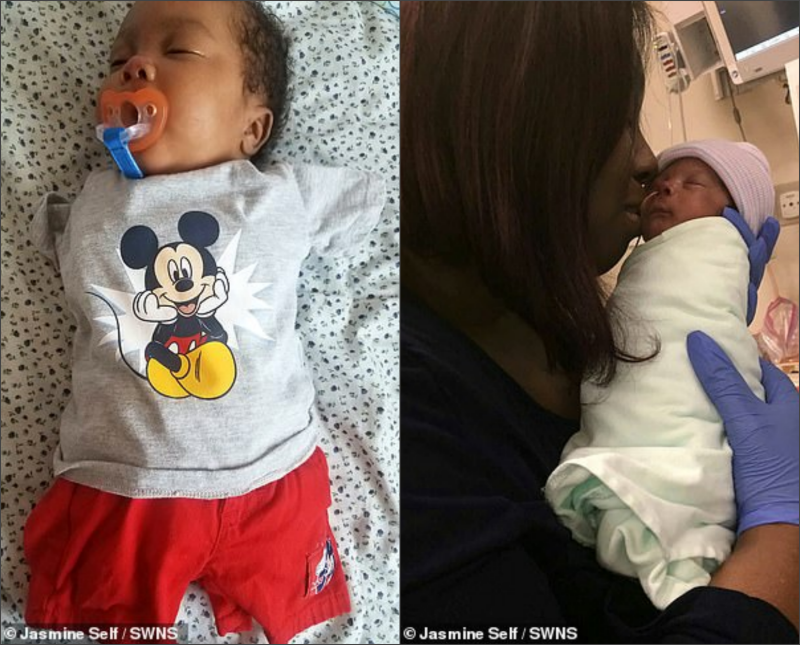
“My boyfriend and I discussed ending the pregnancy and even arranged an appointment in Washington, but I ultimately decided to continue.”
Although the pregnancy initially progressed relatively smoothly, complications arose when Jasmine’s placenta detached from the uterine wall, forcing doctors to deliver RJ through an emergency C-section.
The condition can interrupt the baby’s supply of oxygen and nutrients and cause serious complications for the mother.
After birth, RJ was immediately taken to intensive care and received blood transfusions.
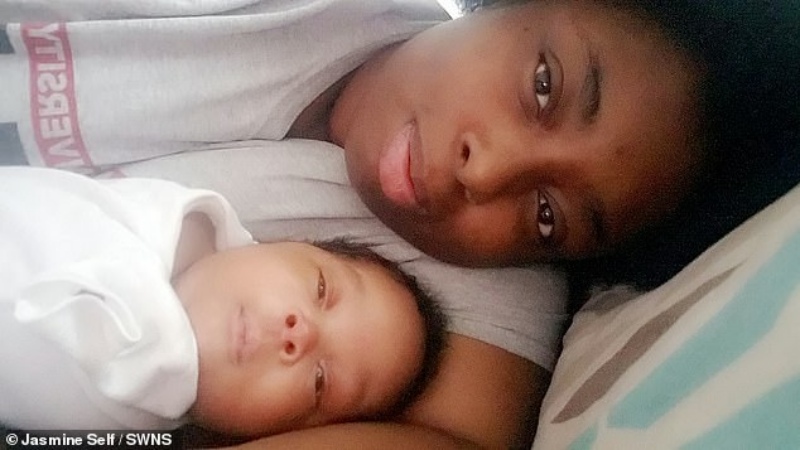
“I remember seeing his little head full of hair before they took him away,” Jasmine said.
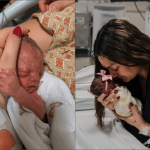
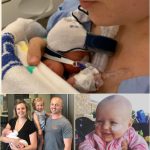
She was finally able to hold her son on October 1, three days after his birth.
“I put my hands into the incubator and held him in my hands. It was such a happy moment.”
Despite the challenges associated with RJ’s condition, Jasmine feels grateful that her son has avoided many of the complications doctors initially feared.
She does worry about his future, but she hopes sharing his story will encourage people to approach his differences with kindness and curiosity rather than embarrassment.
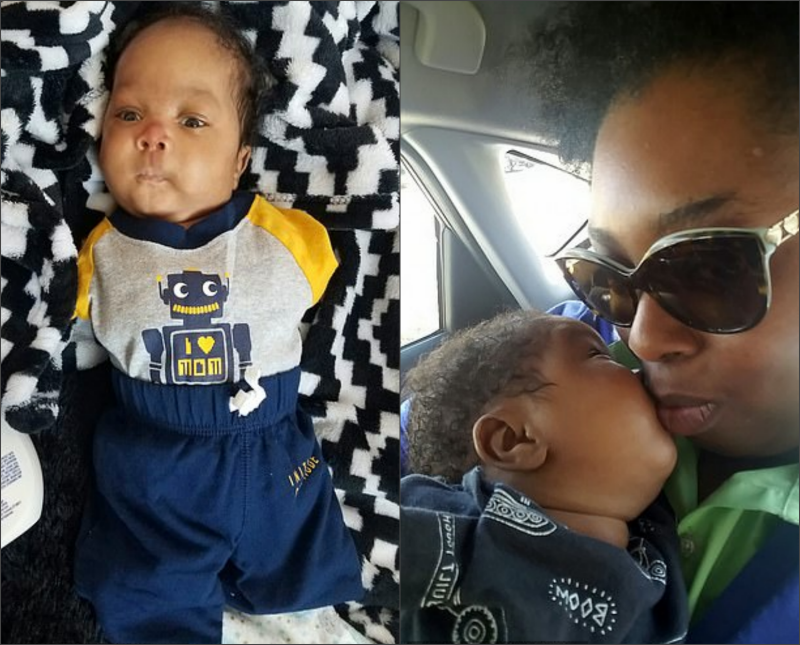
“He’s a normal baby in every way, except he doesn’t have arms or legs,” she explained.
“He tried to grow his little legs, but they didn’t develop. I call them his gumdrops. He has shoulders, but no arms.”
Jasmine says children are often more willing than adults to ask questions about RJ’s appearance, something she actually appreciates.
“They ask me where his arms and legs are, and I answer them.”
She remembers one particularly sweet moment when a little girl from her church asked how RJ would learn mathematics at school.
“I told her we’d find a way,” Jasmine said.
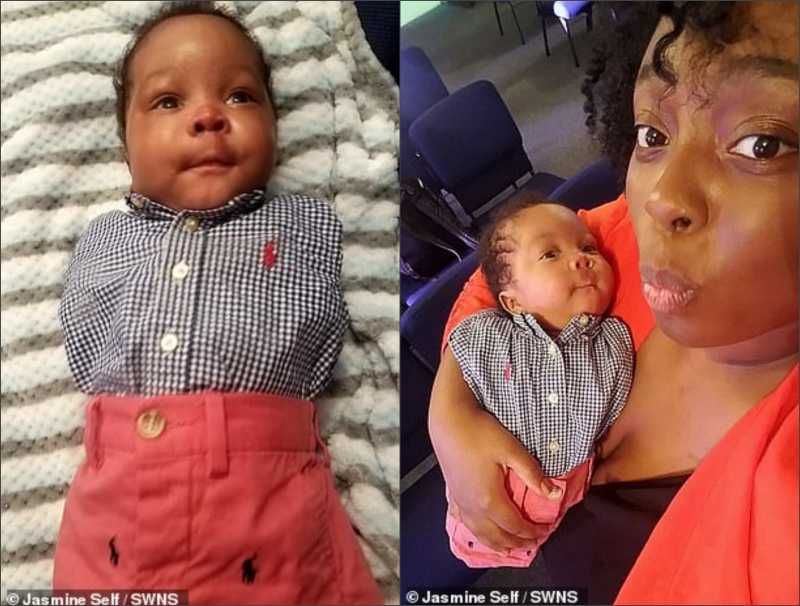
“I’d much rather people be open and ask me the questions they want to.”
Despite their positive outlook, Jasmine and her partner, who works as a store supervisor, face practical challenges, from finding suitable clothes to choosing a car seat that keeps RJ comfortable and secure.
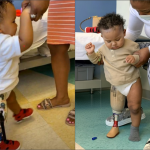
They also know he may need additional support as he grows older, including an adapted wheelchair.
But the couple remain hopeful that their son’s future will be bright.
“RJ has such a wonderful personality. He makes the funniest facial expressions, and he definitely understands what you’re saying,” Jasmine said.
“I believe his future will be bright. I can even imagine him becoming a public speaker and sharing his story with the world.”