Peruvian Girl Known as “Mermaid Baby” Faces Urgent Need for Kidney Transplant
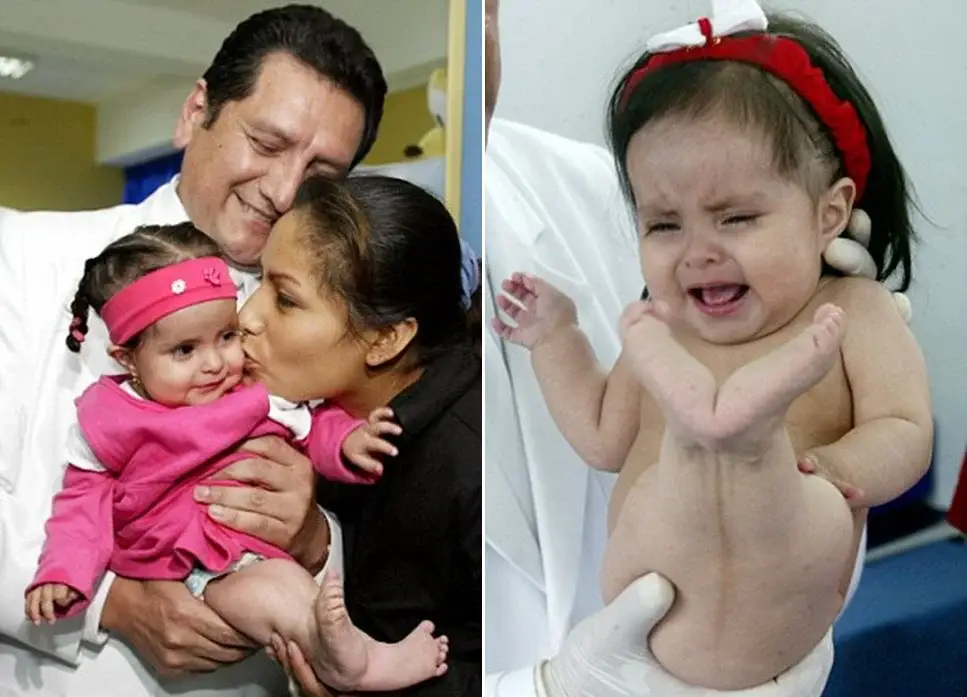
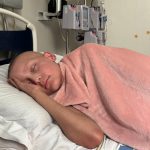
Milagros Cerron, a seven-year-old girl from Peru widely known as the “mermaid baby,” is once again facing a critical medical challenge as doctors confirm she urgently needs a kidney transplant.
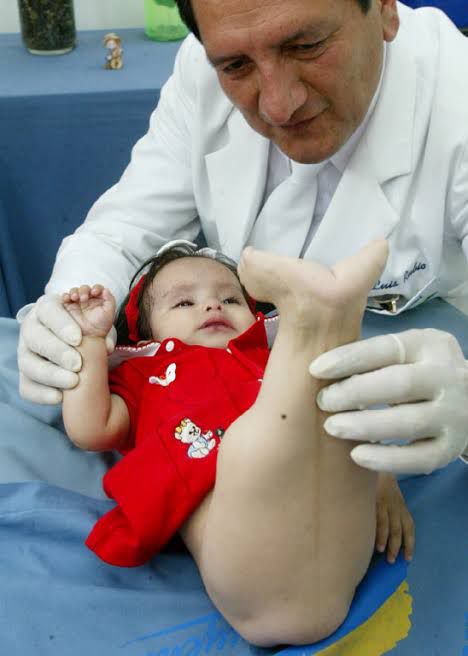
Milagros was born with sirenomelia, also known as mermaid syndrome, an extremely rare congenital condition in which the legs are fused. The condition is considered life-threatening in most cases and is estimated to occur in only one out of every 70,000 pregnancies. Worldwide, there are believed to be only a few children living with the condition.
Although Milagros survived the early risks associated with sirenomelia, doctors say she is now suffering from severe complications affecting her urinary system. The condition is often linked to kidney failure and digestive abnormalities, and specialists have determined that reconstructive surgery of her urinary tract is no longer sufficient without a kidney transplant.
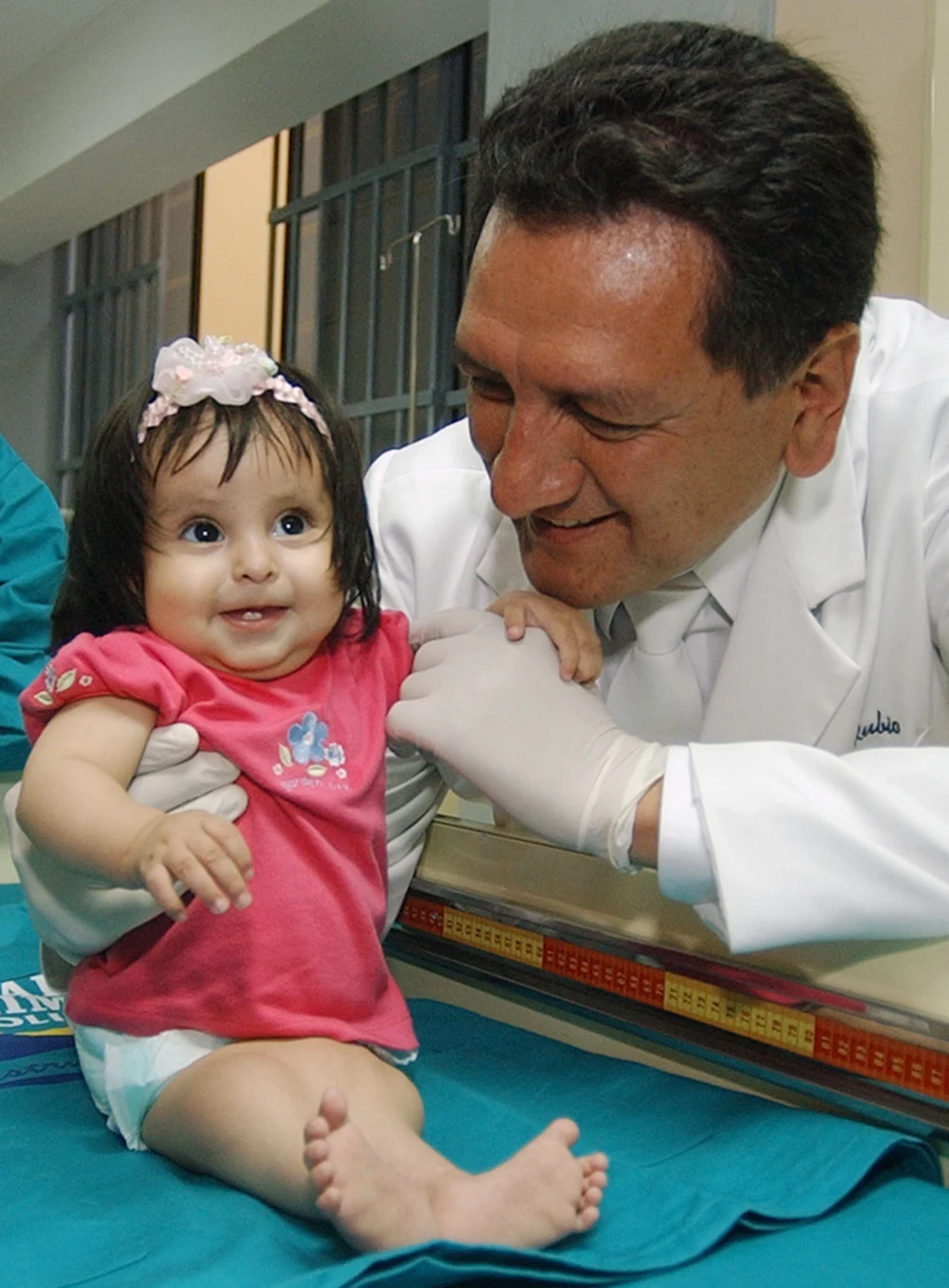
Her parents say the news has been devastating, but not unexpected. “From the day she was born, we were told every stage would be difficult,” her mother said. “Milagros has already done what many thought was impossible. We are asking for another chance for her.”
In 2005, when Milagros was just nine months old, doctors began a complex medical journey that drew international attention. A multidisciplinary team involving pediatric surgeons, plastic surgeons, cardiologists, and other specialists carried out the first of three operations to separate her legs. The procedures were considered groundbreaking at the time and allowed Milagros to gain mobility and continue growing.
Her father described those early years as a test of faith and endurance. “We learned to live one operation at a time,” he said. “She taught us that miracles are not instant. Sometimes they are built slowly, through effort and hope.”
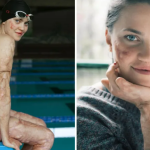
Medical experts note that sirenomelia is frequently associated with kidney failure, which remains the leading cause of complications in surviving children. A well-known case in the United States involved Shiloh Pepin, who was born with the same condition and passed away in 2009 at the age of 10 due to related health issues.
Despite her current condition, Milagros continues to attend school and remain engaged with her family. Her parents say she understands that she is sick, but remains optimistic. “She tells us she wants to grow up and help other children like her,” her mother shared. “That is what gives us strength.”
Doctors stress that time is critical, and the family is now seeking medical support and donor options to proceed with the transplant. As Milagros enters this new phase of her medical journey, her story once again highlights both the limits and possibilities of modern medicine—and the resilience of a child whose name, fittingly, means “miracles.”