“WEDDINGS, NEW RESTAURANTS AND BODYBUILDING CONTESTS…” — NEW IMAGES FROM GAZA SPARK DEBATE AS MILLIONS STILL FACE A DEEPENING HUMANITARIAN CRISIS
“WEDDINGS, NEW RESTAURANTS AND BODYBUILDING CONTESTS…” — NEW IMAGES FROM GAZA SPARK DEBATE AS MILLIONS STILL FACE A DEEPENING HUMANITARIAN CRISIS
🌍 Images emerging from Gaza are drawing widespread attention and raising difficult questions about what life looks like inside the war-torn territory. Large wedding celebrations, newly opened restaurants, stocked shop shelves, and even bodybuilding competitions are appearing in videos circulating online — while humanitarian organizations continue warning that millions of Palestinians remain vulnerable to hunger and severe deprivation.
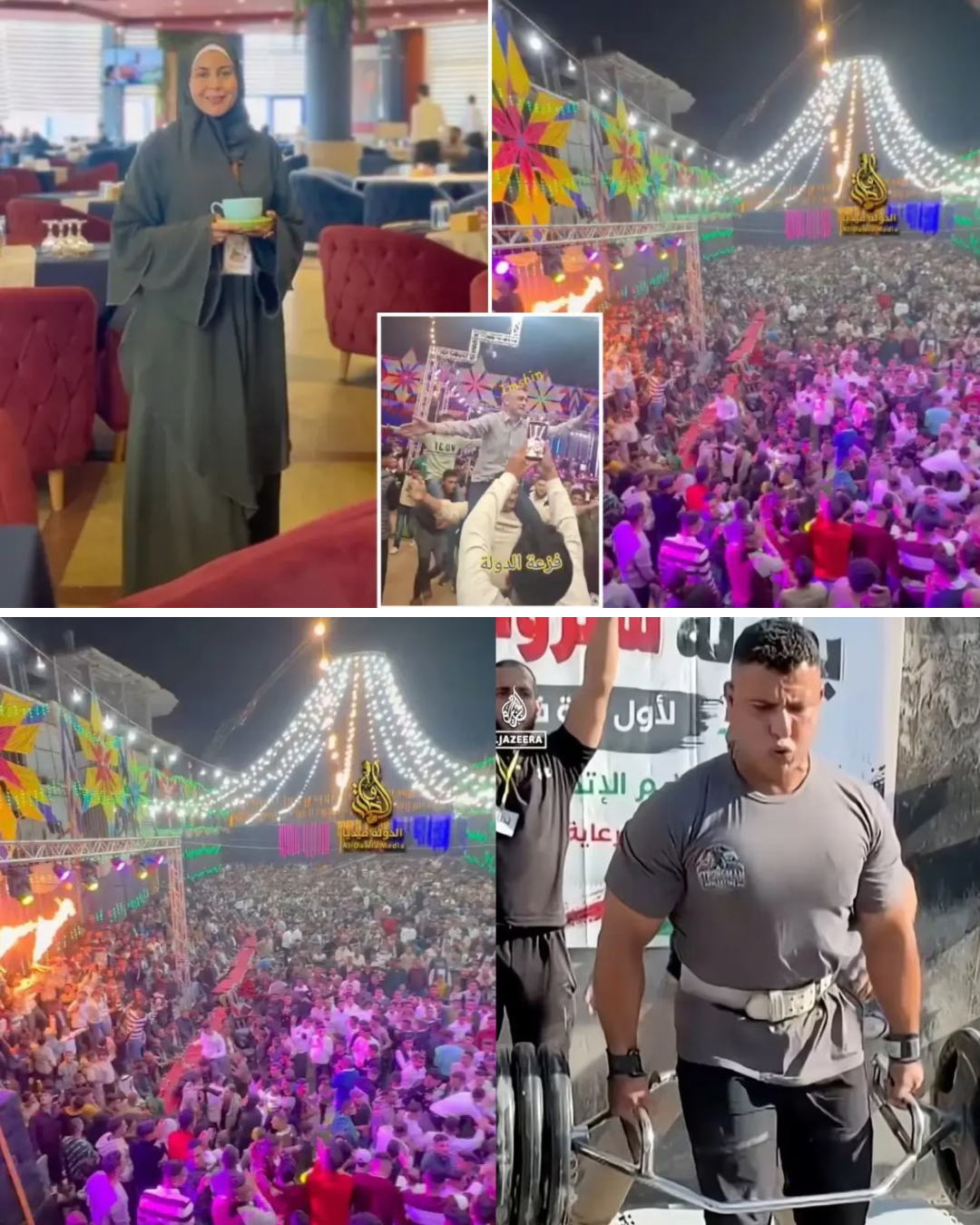
One particularly striking scene came from Gaza City’s Al-Sabra neighborhood, where hundreds of men gathered beneath colorful lights to celebrate a wedding. Music played, crowds danced, and families came together for an occasion that looked dramatically different from the destruction surrounding them.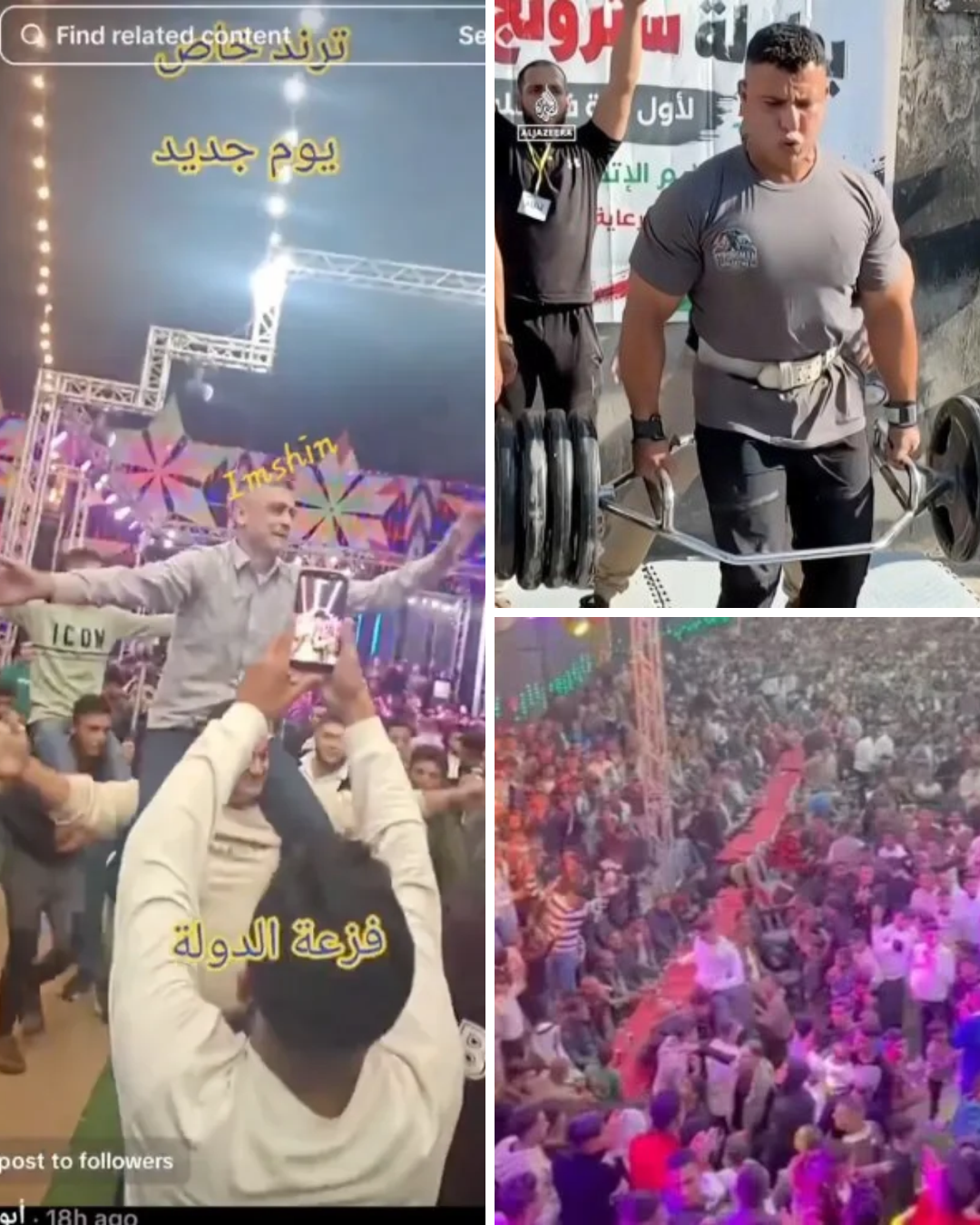
Another major celebration took place on November 6, when 250 Palestinian couples participated in a mass wedding organized with support from a United Arab Emirates-backed humanitarian initiative.
For many participants, the event represented something deeply meaningful after years of war, displacement, and uncertainty. Several couples explained that financial hardship had made traditional weddings almost impossible.
At the same time, videos from Gaza have shown restaurants welcoming customers, shops displaying imported products, and local entrepreneurs attempting to rebuild their businesses.
A restaurant in Gaza City has promoted freshly prepared desserts, mocktails, smoothies, and elaborate dining experiences. Other businesses have shared footage of shelves filled with packaged food and everyday consumer goods.
Bodybuilding competitions have also taken place, offering another glimpse of people attempting to maintain social activities despite the extraordinary circumstances surrounding them.
These developments have prompted sharply different reactions.
Middle East analyst Eitan Fischberger argued in an interview with the New York Post that such scenes challenge portrayals of Gaza as a place where ordinary social life has completely disappeared.
However, humanitarian organizations caution against drawing conclusions about the conditions of an entire population from selected photographs and videos.
Behind the celebrations, the humanitarian situation remains extremely fragile.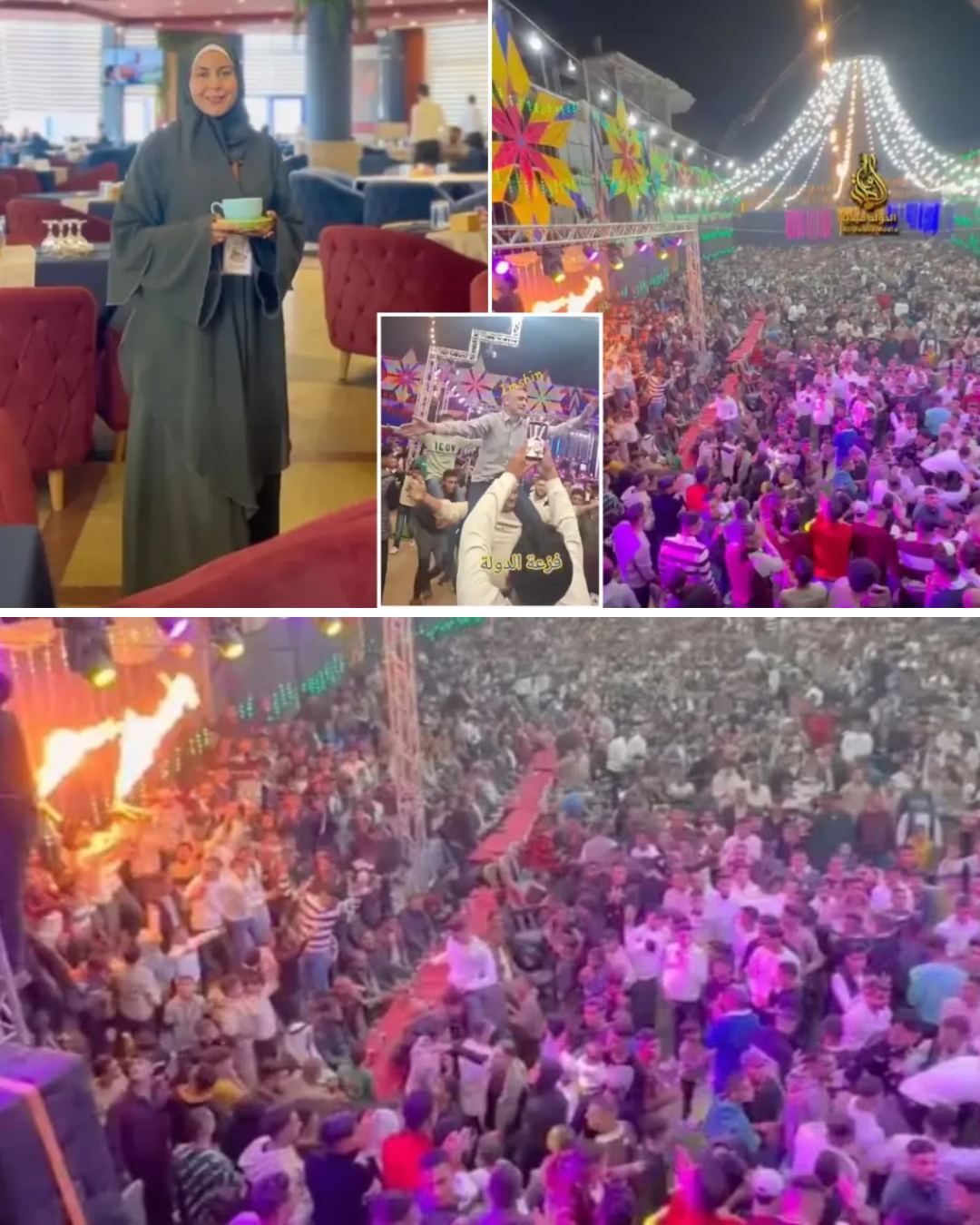
A July 2026 assessment by the Integrated Food Security Phase Classification (IPC), the international system used to monitor food insecurity, found that more than 1.2 million people in Gaza were experiencing crisis-level hunger or worse. Approximately 212,000 people were facing emergency conditions.
The assessment warned that the number could rise to more than 1.4 million by December if humanitarian assistance continued to decline.
Although conditions had improved following increased food deliveries and the October 2025 ceasefire, the IPC stressed that the progress remained vulnerable.
Many families still struggle with high food prices, inadequate housing, damaged sanitation systems, and limited access to essential medical services.
The United Nations has also reported extensive destruction across Gaza, with large numbers of residents continuing to live in temporary shelters and damaged buildings.
For some Palestinians, a wedding or a newly opened restaurant represents a small attempt to reclaim normal life. For others, finding enough food for their children remains an everyday struggle.
Both realities can exist at the same time.
A celebration attended by hundreds does not erase the suffering of families who cannot afford their next meal. Likewise, widespread hardship does not mean every person in Gaza has stopped working, celebrating, building businesses, or planning for the future.
Perhaps the most important question is not whether people in Gaza are celebrating or suffering.
It is how a population can begin rebuilding its future while so many basic needs remain unmet.
Behind every wedding photograph, restaurant opening, and bodybuilding competition are millions of individual lives — each carrying a different story of survival, loss, hope, and uncertainty.
And for many families, the struggle to secure food, shelter, and a safe place to live is far from over.