Five-Year-Old Boy in Syria Faces Long Recovery After Winter Heating Incident
- ThanhHuyen
- January 14, 2026
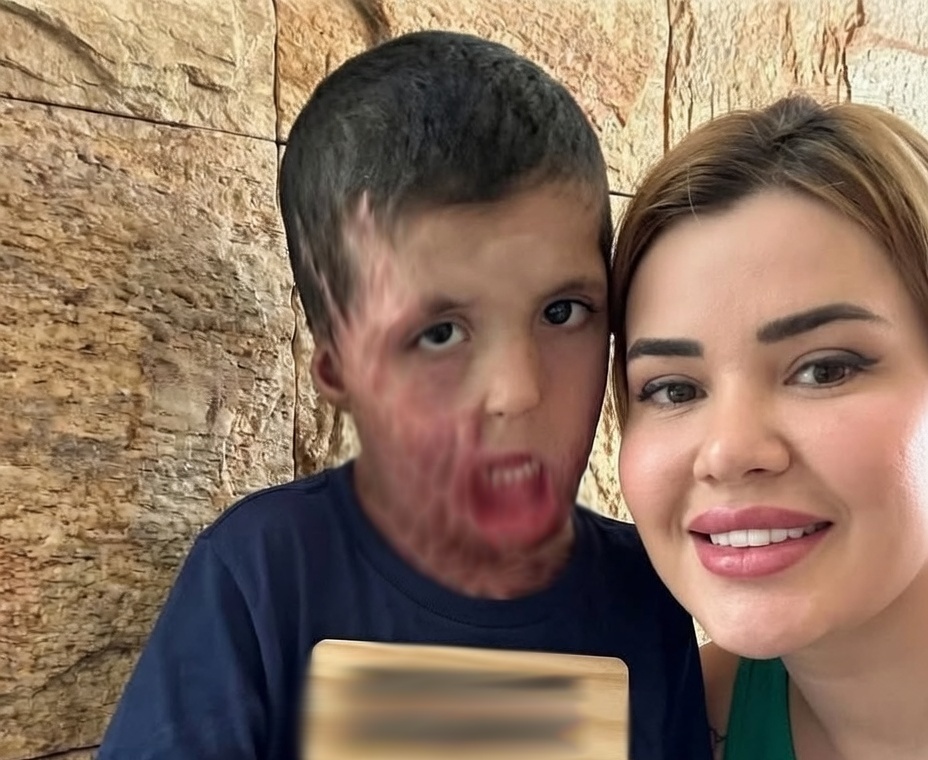
During one of the coldest Januarys in recent years, a five-year-old boy named Mustafa became the center of a painful reminder of the risks many families face while trying to survive harsh winters in conflict-affected regions of Syria.
As temperatures dropped, Mustafa’s family, like many others, was forced to rely on inexpensive diesel fuel to heat their home. According to those close to the family, the fuel contained an unknown mixed substance that caused a sudden accident, damaging both the heating stove and the house within seconds. Mustafa was inside at the time and suffered severe injuries that would permanently alter his early childhood.
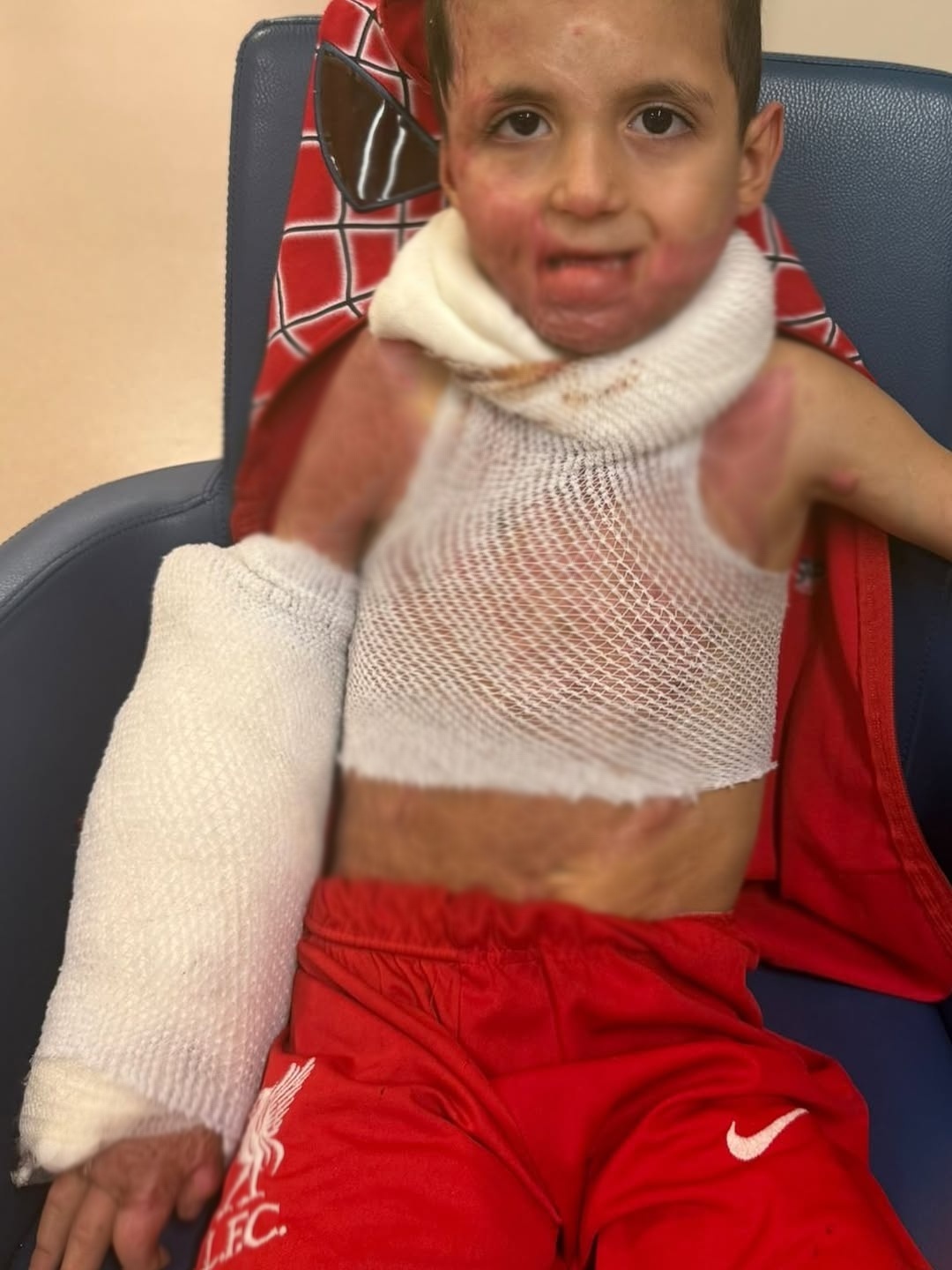
Medical professionals involved in his care say that while his condition is stable, his recovery will be long and uncertain. His treatment is ongoing, and even basic daily actions have become major milestones. Learning to open and close his fingers, eating without difficulty, sleeping through the night, and breathing comfortably are now considered important steps forward in his progress.
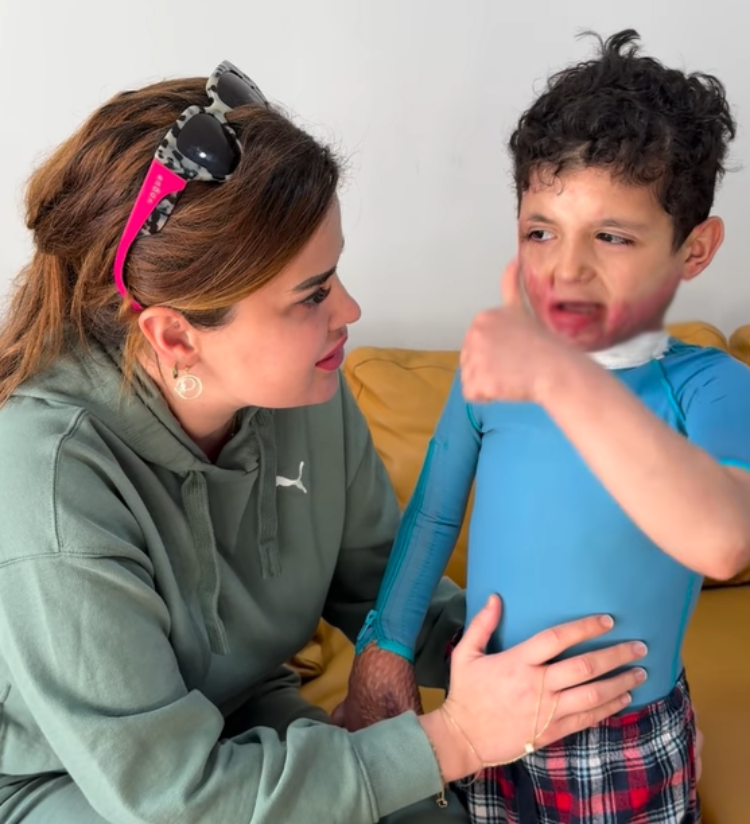
Despite the physical challenges, those who have met Mustafa describe a quiet strength in him. “His eyes still speak,” one caregiver said. “They show pain, but also an incredible resilience and a belief that life can still offer something better.”
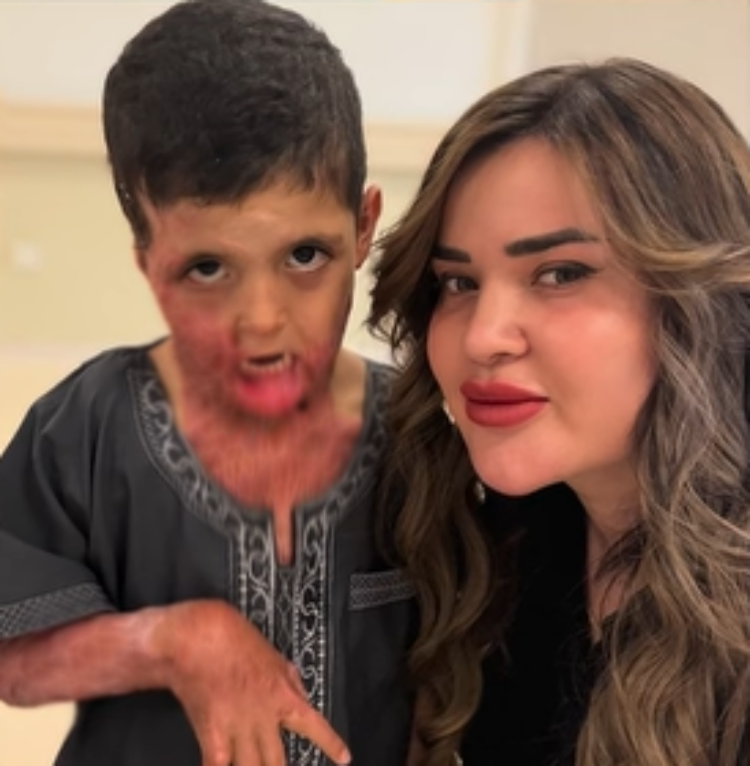
Mustafa’s mother recalls the moment she was told that medical options were limited. “When you hear that nothing will ever be the same for your child, your world stops,” she said. “But giving up was never an option. Hope became the only thing we could hold on to.”
His father echoed her words, saying, “We traveled a long way because we believed someone might still be able to help our son. He deserves every chance.”
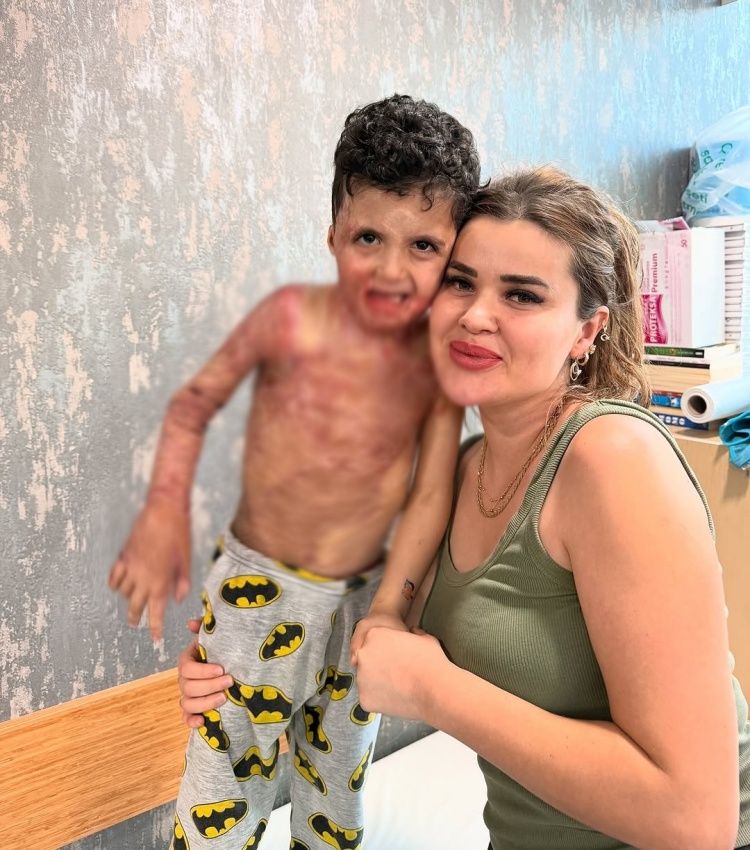
Healthcare workers caring for Mustafa say his case highlights the difficult choices families are forced to make in extreme conditions. In regions where safe heating options are limited, dangerous alternatives are often the only way to survive freezing temperatures. “This is not about carelessness,” one medical worker explained. “It’s about survival.”
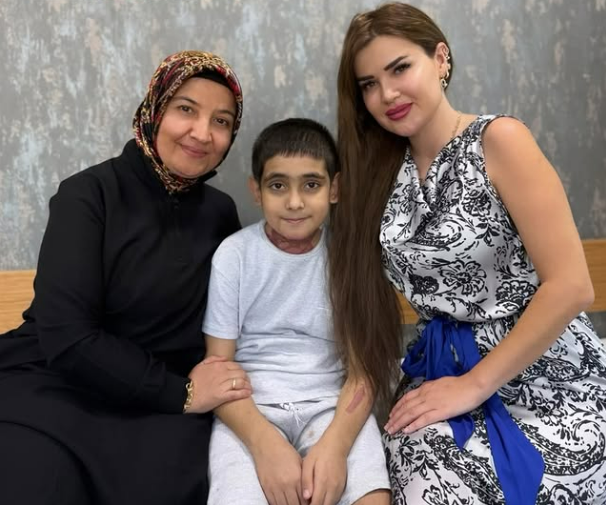
Mustafa’s story has resonated with many who hear it, prompting reflection on the everyday comforts others often take for granted. His journey has become a symbol of how quickly circumstances can change and how fragile life can be, especially for children.
As his treatment continues, his family remains focused on small victories and gradual progress. They hope that sharing Mustafa’s story will raise awareness about the hidden dangers faced by vulnerable families and encourage greater compassion for those living through conditions most people will never experience.