Seven-Year-Old Lukas From Germany Defies a Rare Skin Condition Through a Groundbreaking Medical Breakthrough and Unwavering Hope
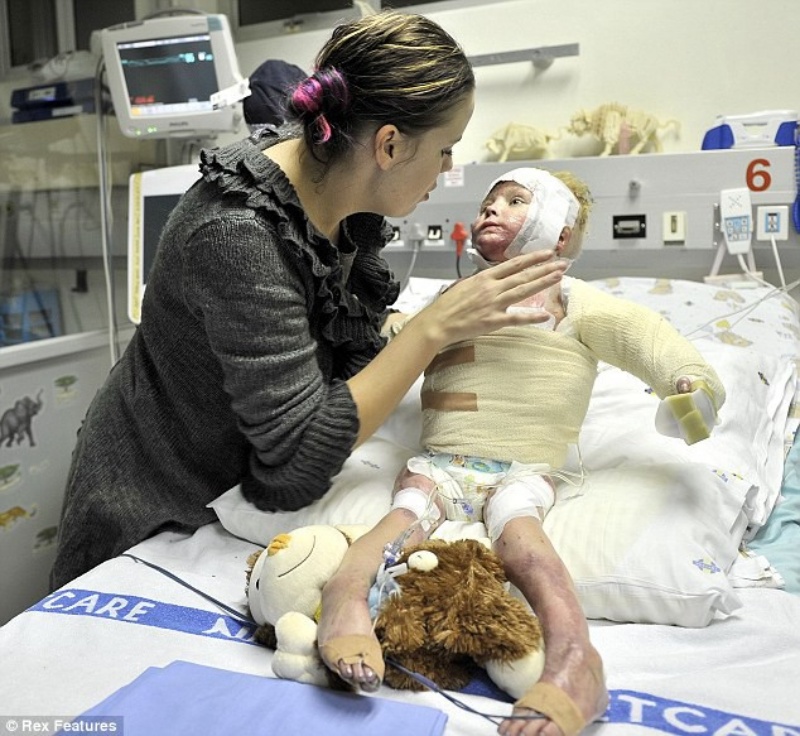
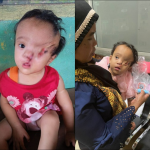
A young child from Germany has drawn international attention after surviving an extraordinary medical crisis involving a rare genetic skin condition and a life-threatening injury. Born with epidermolysis bullosa, a disorder that causes the skin to blister and tear from even minimal contact, Lukas lived from birth with extreme physical vulnerability and constant medical care.
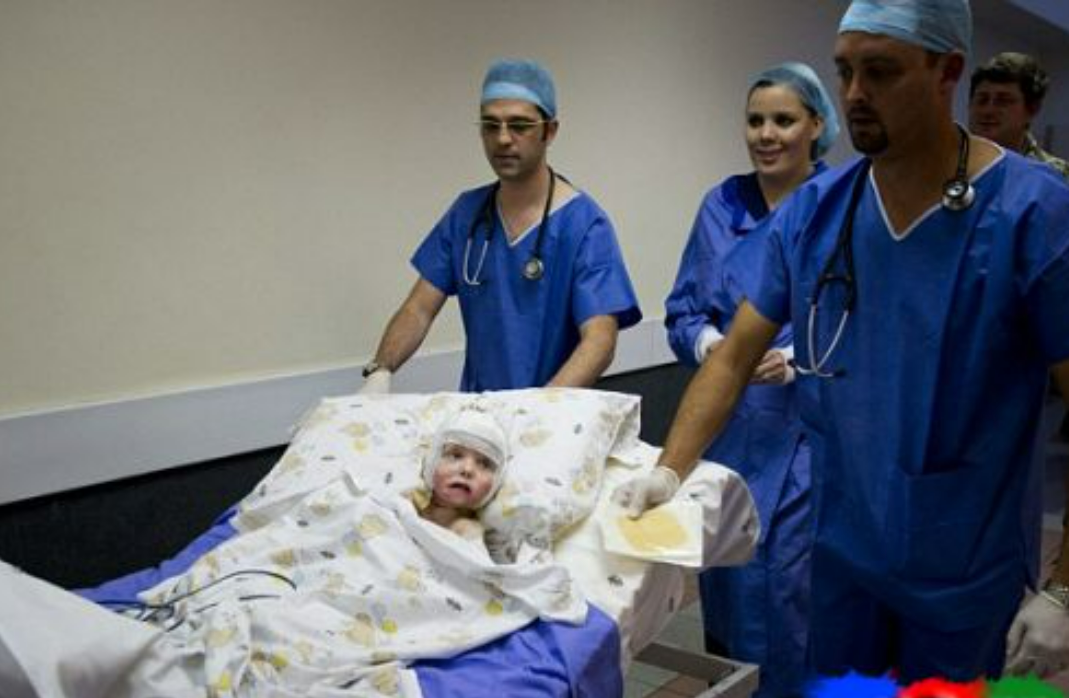
His condition worsened dramatically following a severe infection that destroyed a large portion of his skin, leaving his body unable to protect itself. Doctors described the situation as critical, with everyday contact posing serious risks. For his family, the future became uncertain almost overnight.
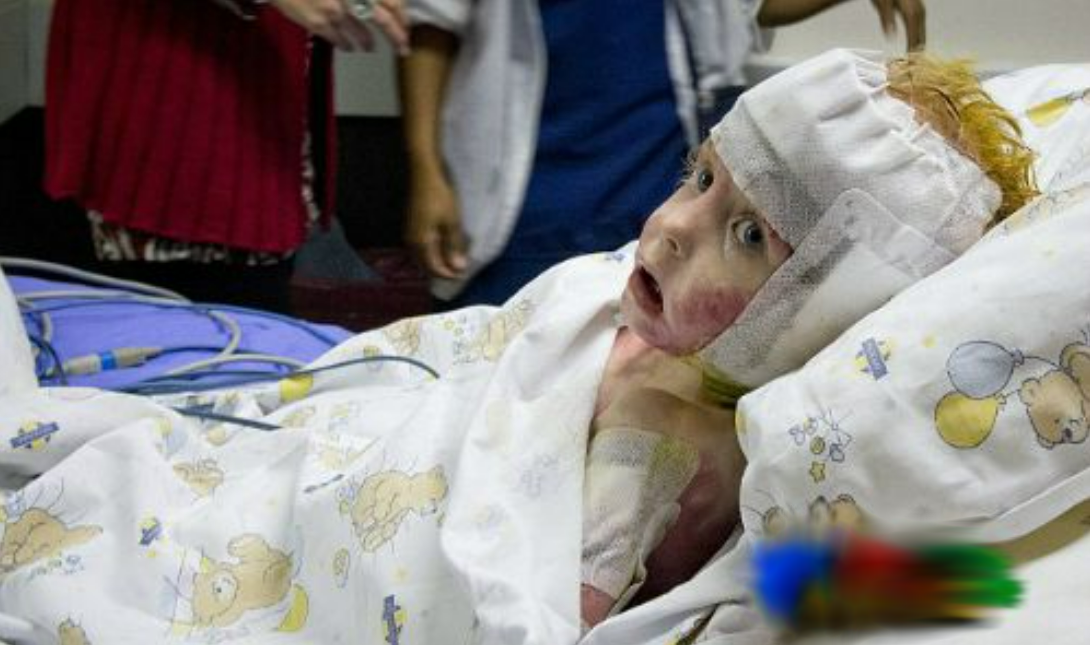
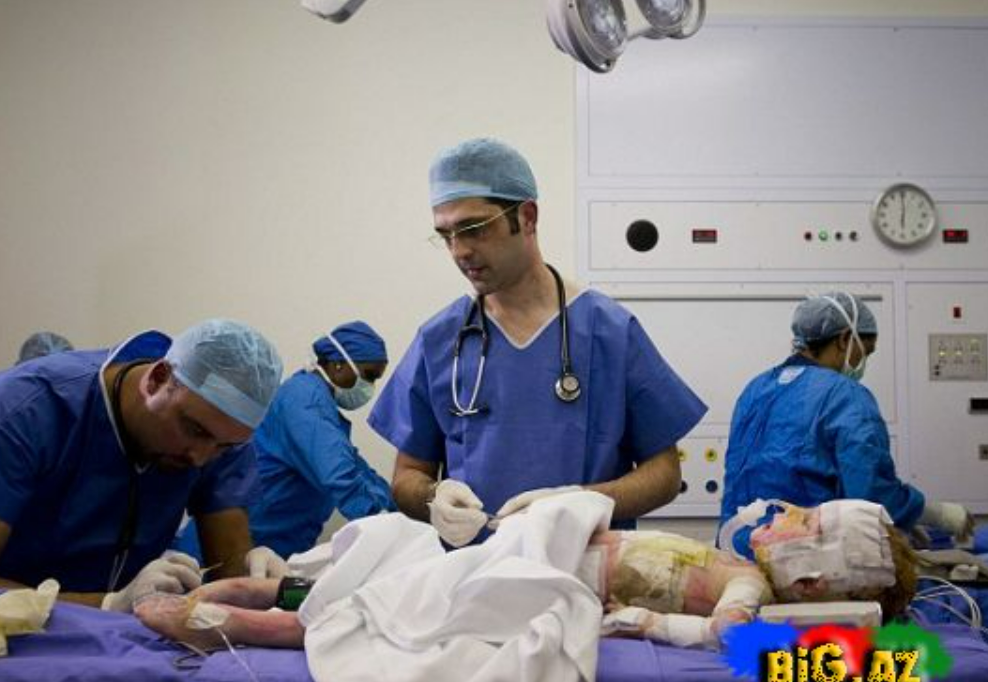
Facing limited options, an international medical team turned to an innovative solution. Specialists used a small sample of Lukas’s remaining healthy skin to grow genetically modified skin cells in a laboratory. These cells were expanded and transformed into large sheets of replacement skin, which were then transplanted onto his body. The procedure marked a significant step forward in regenerative medicine and offered hope where traditional treatments had failed.
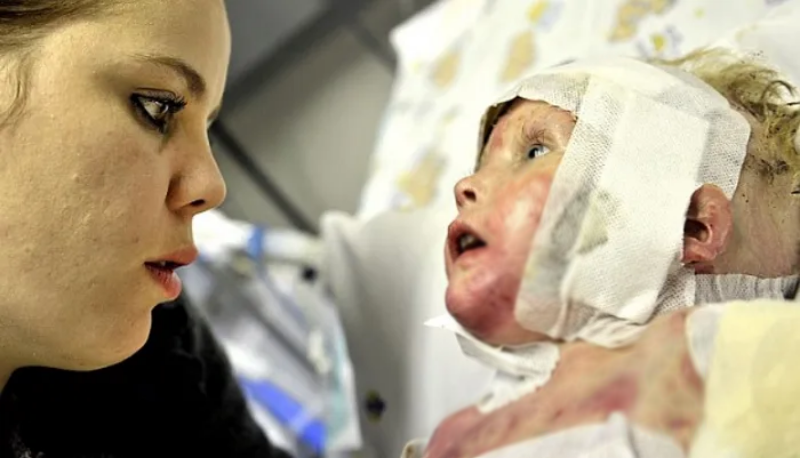
According to surgeons involved in the case, the transplanted skin successfully integrated with Lukas’s body and showed strong resilience. “The new skin adapted well and remained stable,” one surgeon explained. “This outcome exceeded expectations and demonstrated the potential of gene-based therapies for rare conditions.”
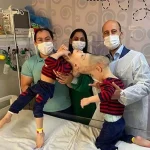
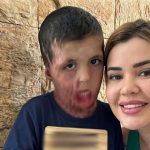
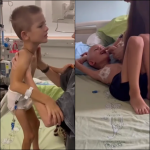
During his recovery, Lukas required intensive monitoring and multiple procedures. Medical teams from different countries collaborated to ensure continuity of care, highlighting the growing role of global cooperation in complex pediatric cases. Recent images showing his improvement have circulated widely, drawing attention to both his progress and the medical innovation behind it.
Lukas’s parents have remained by his side throughout the ordeal. “We never stopped believing there was a way forward,” his mother shared. “Seeing him improve, step by step, feels like a miracle grounded in science.” His father added that the experience changed their understanding of medicine and hope. “What doctors achieved gave our child a future we were afraid to imagine.”
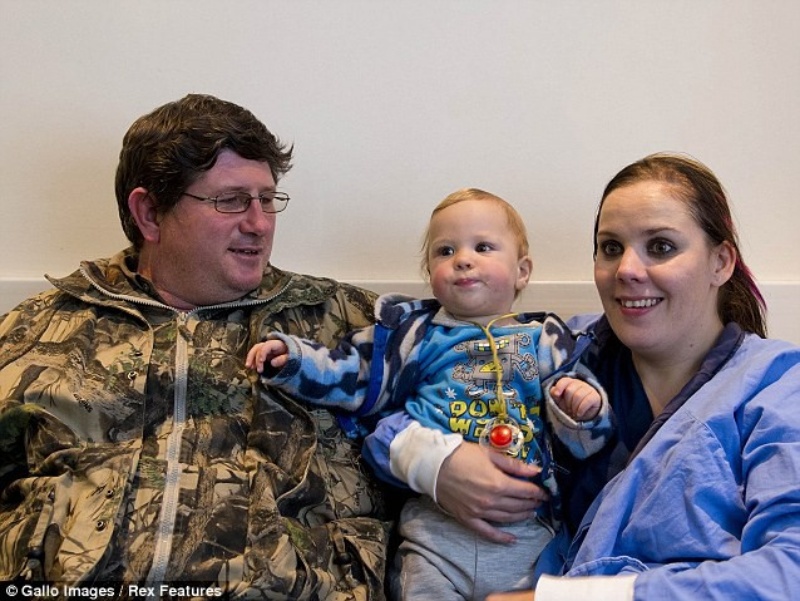
Doctors say further reconstructive procedures may be needed, but Lukas’s condition is now stable, and his recovery continues. His case is being closely followed by medical researchers as a promising example of how advanced skin regeneration techniques could transform treatment for patients with severe skin loss and genetic disorders.
For families affected by rare diseases, Lukas’s journey stands as a powerful reminder of how perseverance, innovation, and international collaboration can redefine what is possible in modern medicine.