
Art as a Quiet Conversation: A Daughter Honors Her Late Mother Through Painting

For many people, loss leaves a silence that words cannot fill. For one artist, that silence has become a canvas.
Rachel, a former nurse remembered by her daughter as a source of constant care and reassurance, dedicated her life to helping others. In her profession and at home, she was known for making people feel safe, understood, and valued. Her passing left a deep emotional space that still shapes her daughter’s daily life.
“She spent her life caring for others, and especially for me,” her daughter shared. The statement reflects more than admiration; it reveals the foundation of a relationship built on presence and emotional security. For children of caregivers, that sense of stability often becomes part of their identity, making the absence even more profound when it is gone.

Since losing her mother, the daughter has turned to painting as a way to process grief. Each artwork, she explains, feels like a quiet exchange rather than a finished product. The act of painting allows her to reconnect with memories that might otherwise feel distant or overwhelming.
“I miss her smile. I miss her voice. I miss the comfort of knowing she was always there.”
This repetition underscores a common experience among those who grieve: it is not one single moment that is missed, but the accumulation of everyday reassurance — the small, consistent presence that once felt permanent.
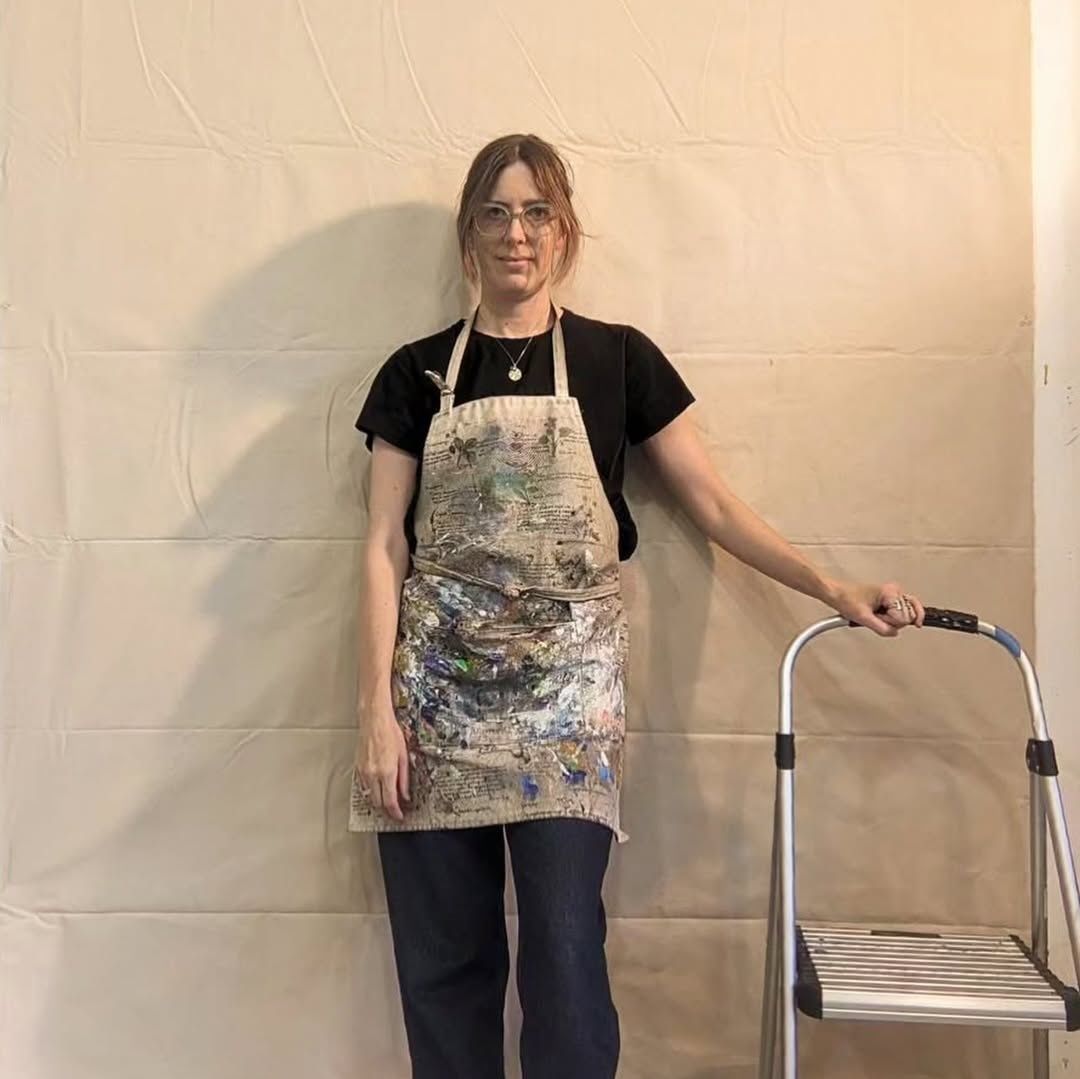
Mental health professionals often note that creative expression can help transform grief into something tangible and manageable. In this case, art becomes a bridge between past and present, allowing memory to remain active rather than frozen in loss.
By translating longing into color and form, the artist keeps her mother’s influence alive in a personal and constructive way. The paintings are not attempts to replace what was lost, but to preserve connection — proof that love does not disappear, even when the person is no longer physically present.

For many who have experienced similar loss, her story resonates deeply. It speaks to a universal truth: while absence can be heavy, remembrance can still be shaped into something meaningful, enduring, and quietly alive.